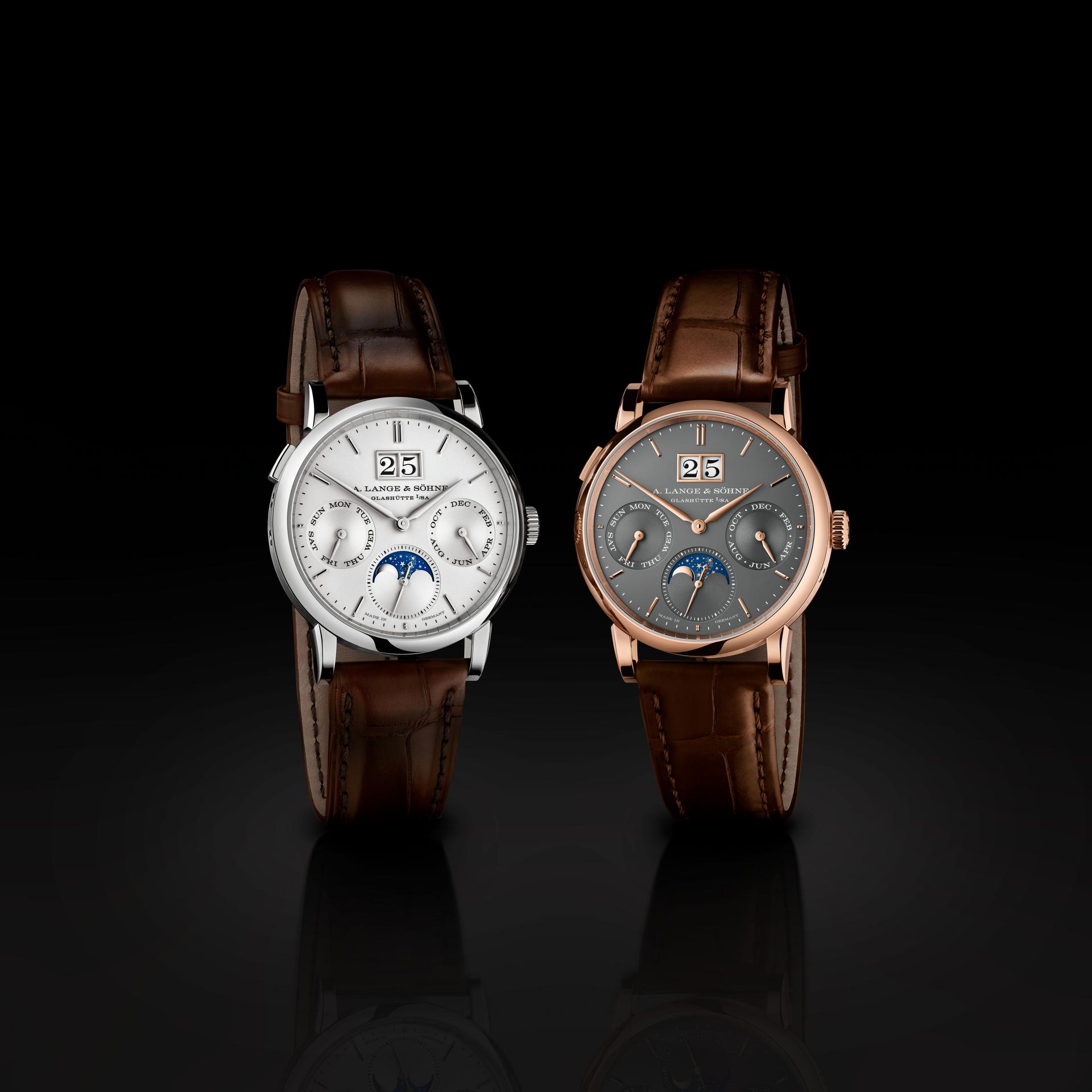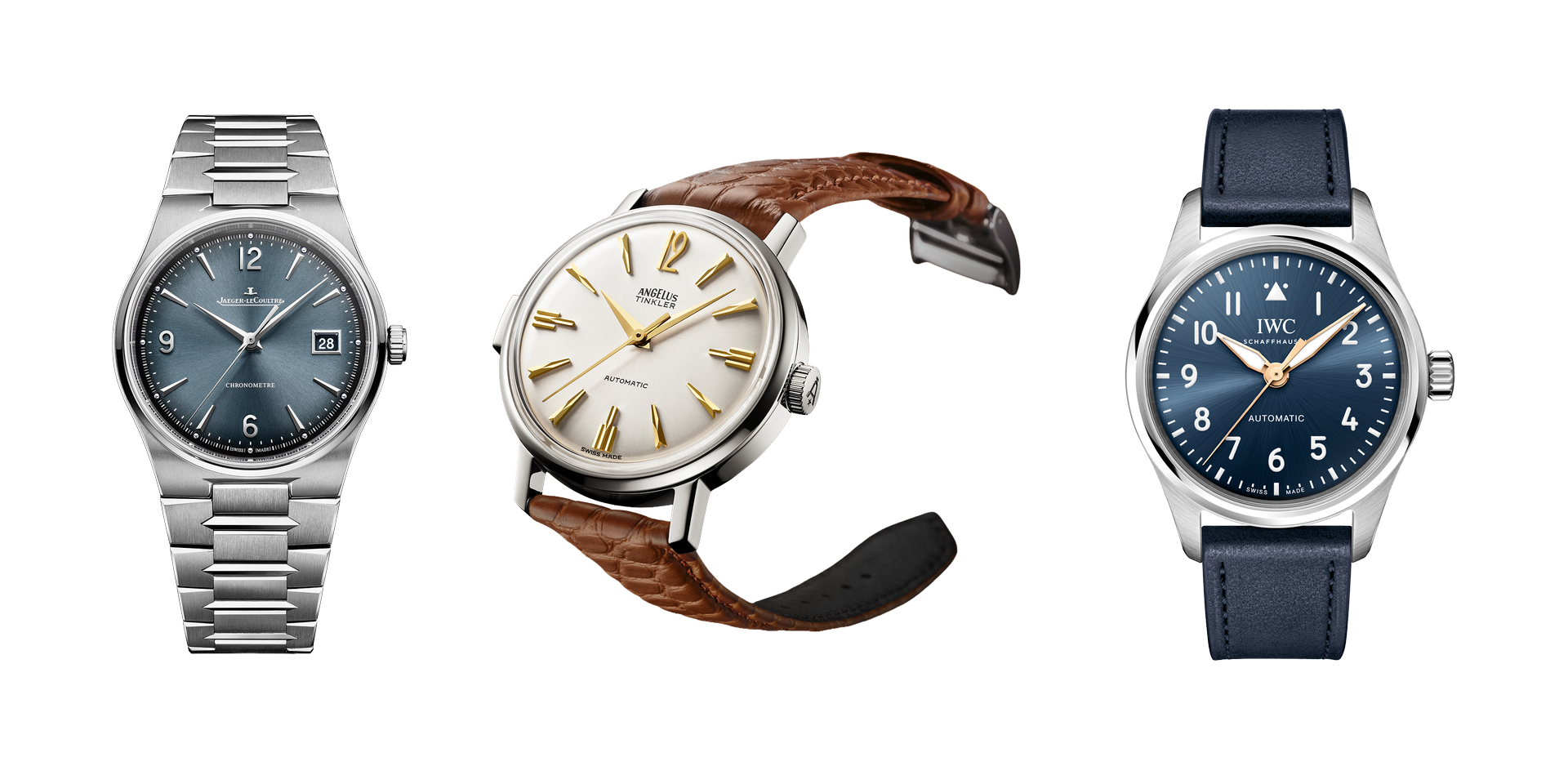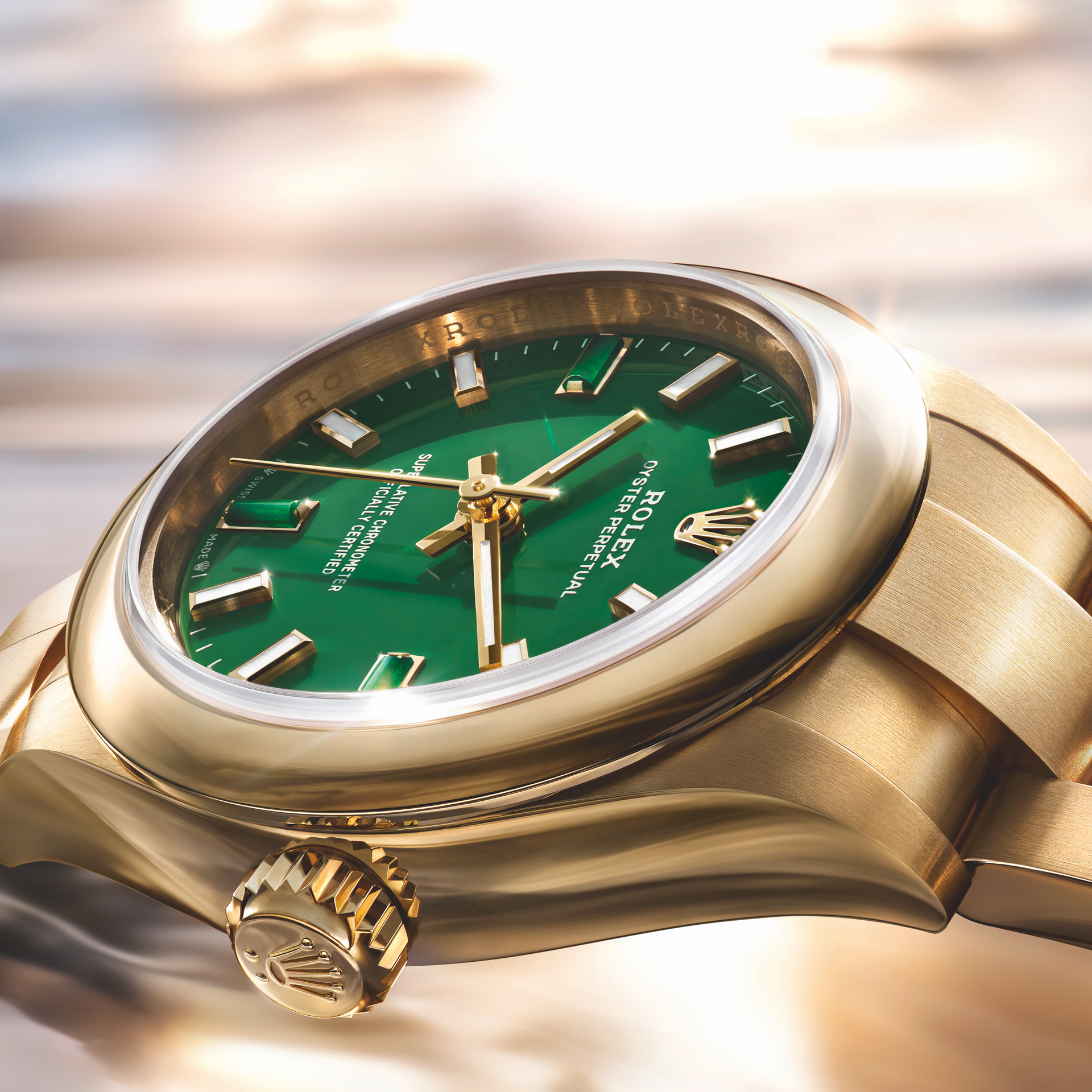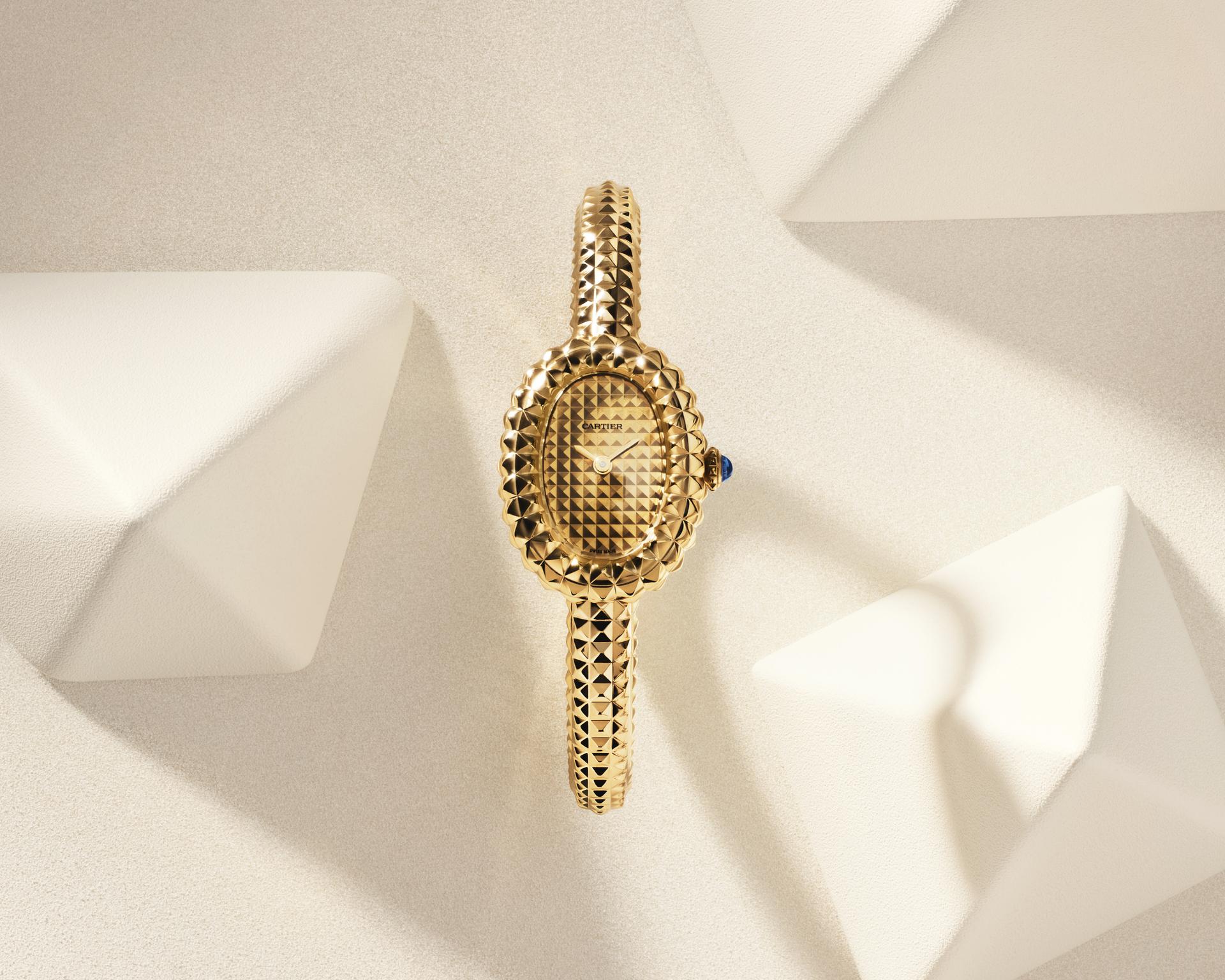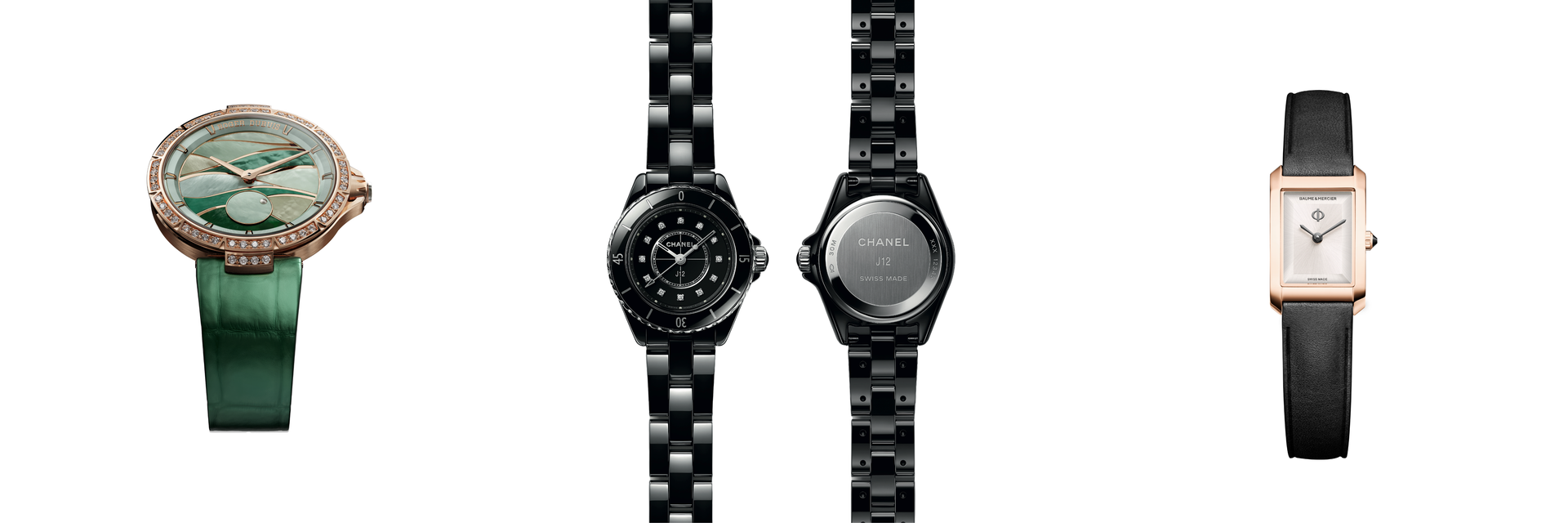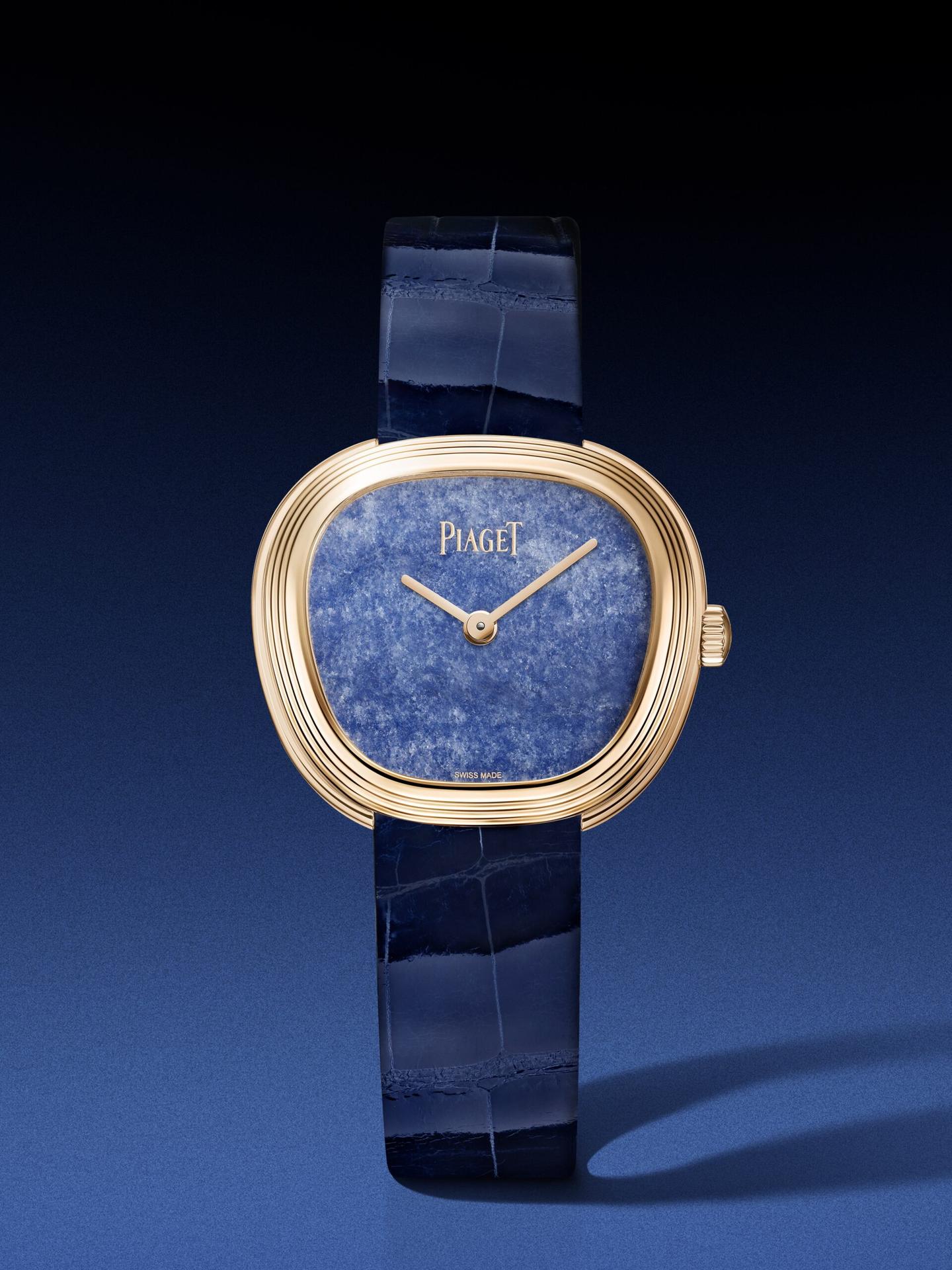
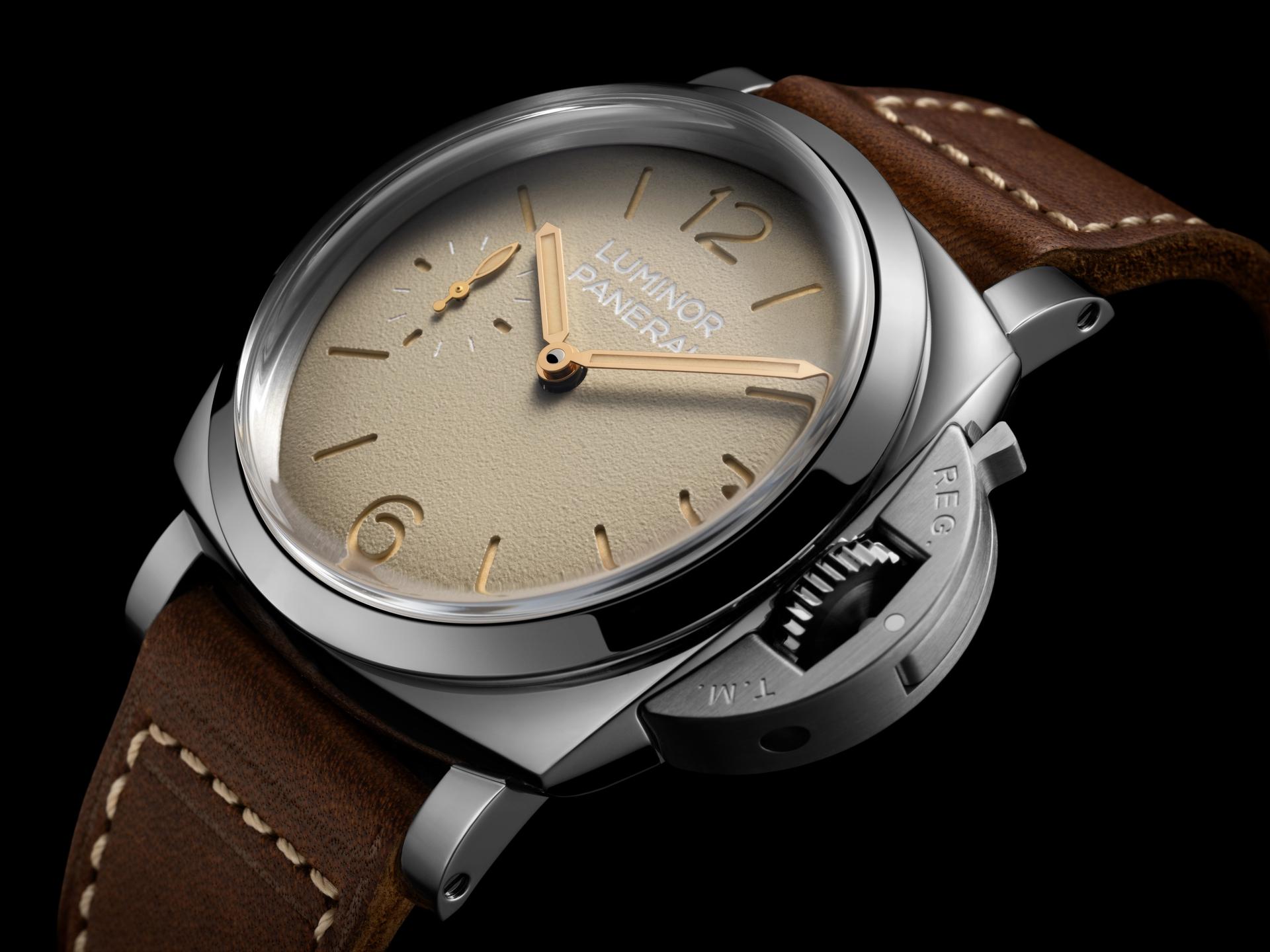
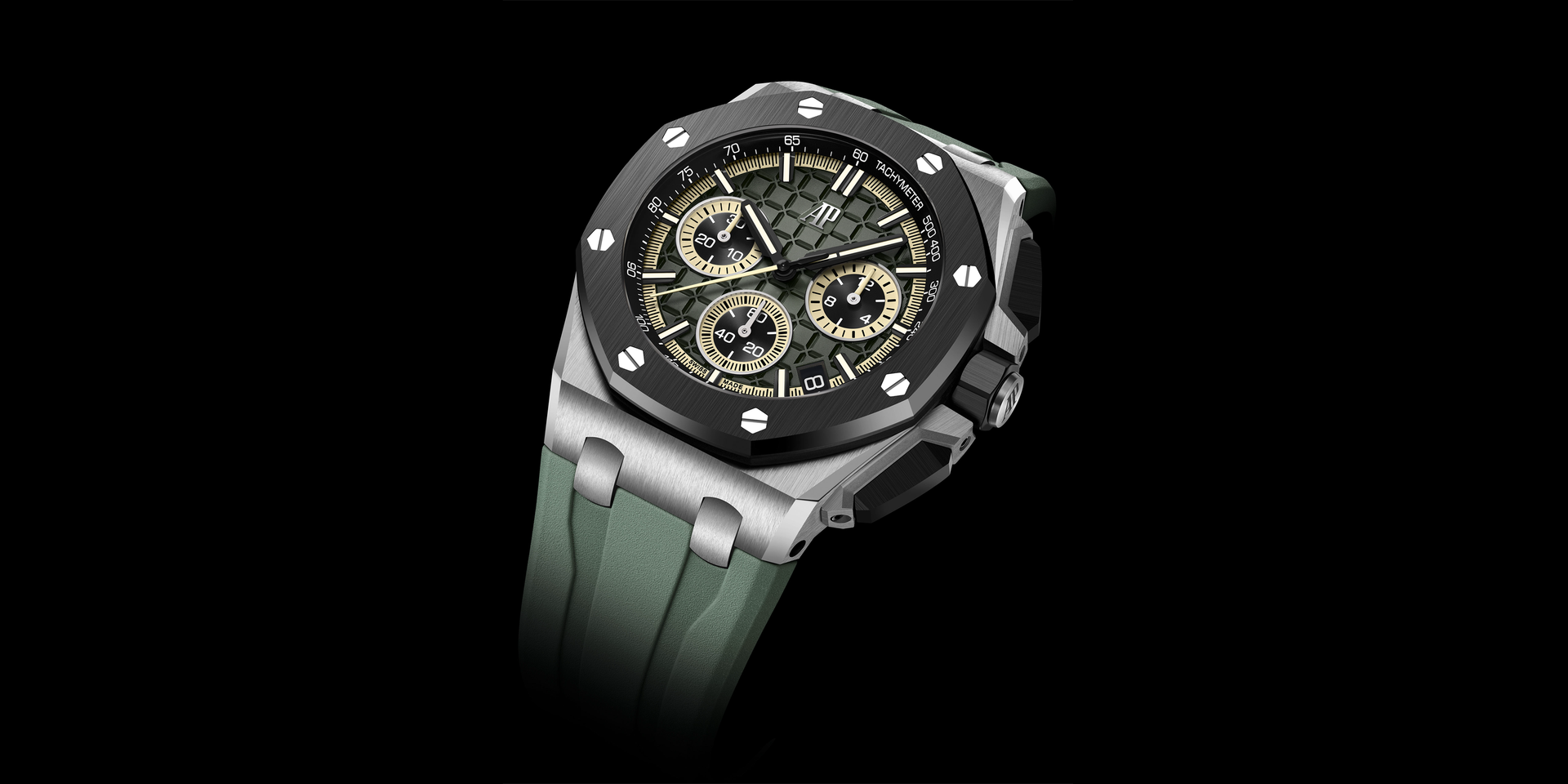

Still, what was once the rule is becoming the exception. Judging by the 600-plus watches presented at Watches and Wonders Geneva 2026, there is a resurgence in smaller sizes. Diameters between 36mm and 38mm accounted for one third of the novelties on display. Include sub-36mm models and that proportion is more than half. This new norm suggests that brands have understood the benefits of proposing models that suit all wrists, regardless of gender. Not so long ago, industry observers were praising makers’ efforts to (finally) develop collections of mechanical watches specifically for women, including complications. Efforts that proved shortlived. If the size is right, why shouldn’t a female watch enthusiast want the same thing as her male counterpart?
Anyone who claims size doesn’t matter… in watchmaking could not be further from the truth. Look at how cases have inflated to epic proportions these past several years, prompting dinner-plate comparisons and similar jibes from certain quarters. Critics of the supersized watch can finally relax, as brands return to a more classical canon, influenced by the spike in interest in the watches our grandfathers wore and the subsequent vintage trend. In the mid-twentieth century, a man’s watch ranged from 34mm to 38mm in diameter. Anything above that would have been seen as lacking in (good) taste. Now, brands are rekindling these past sensibilities with models designed to be proportionate to the wrist rather than a slab of steel. This downsizing comes not a moment too soon for purists, who delight in the vision of a movement that fills the recesses of its case intelligently, as opposed to one that appears lost in a magma of metal.