Quirky Backstory. Quirky Backstory. Quirky Backstory. Quirky Backstory. Quirky Backstory
Joseph Pallweber System. Joseph Pallweber System. Joseph Pallweber System. Joseph Pallweber System
15 February 2026
The Quirky Backstory Of The Joseph Pallweber System
In the early 1880s, Austrian engineer Joseph Pallweber had a disruptive idea for a very traditional object: what if a watch could tell time like a signboard?
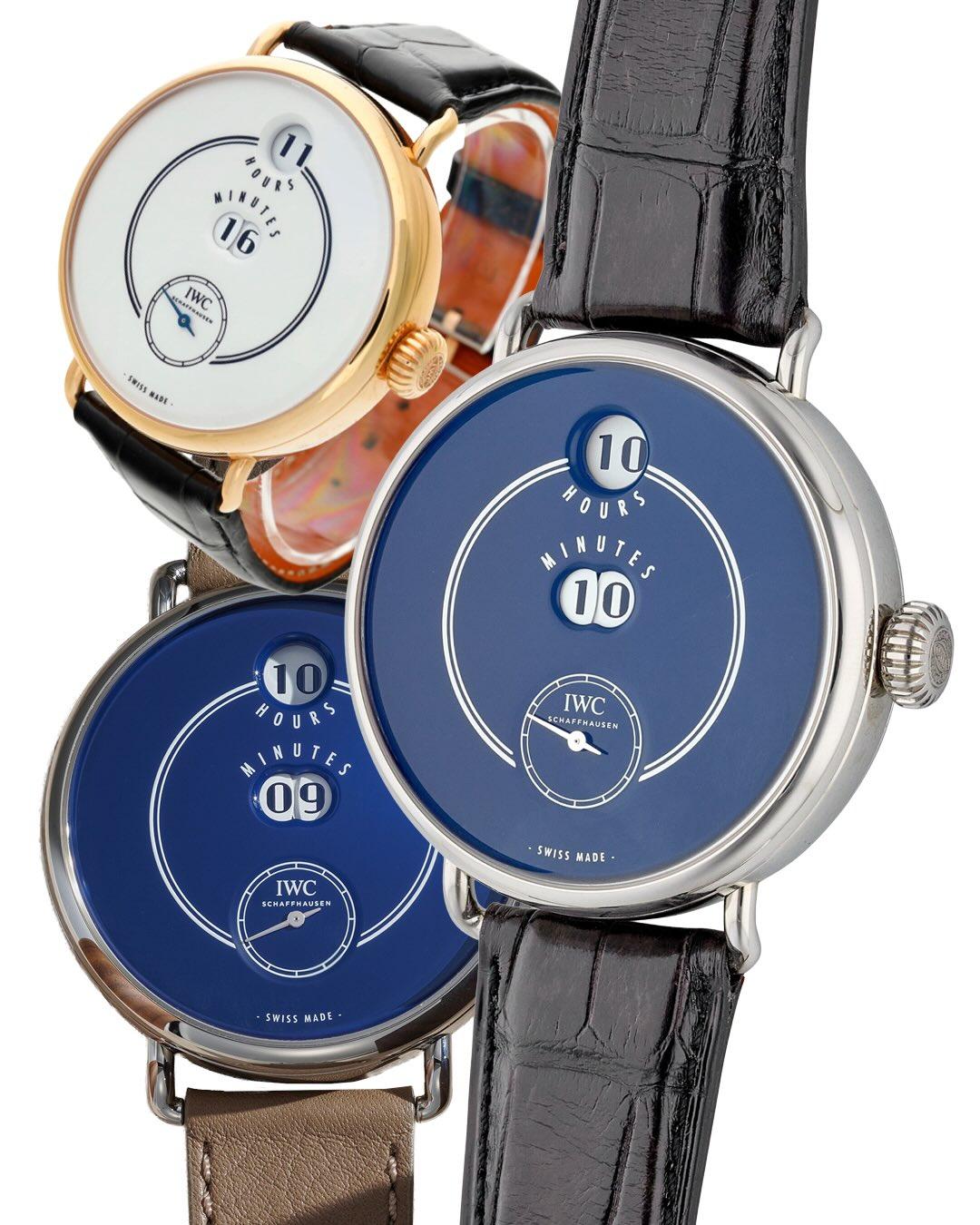
The Pallweber system swapped hands (partly or almost entirely) for rotating discs and windows: the hour jumps, the minutes scroll through numerals, and small seconds often stays on a classic subdial.
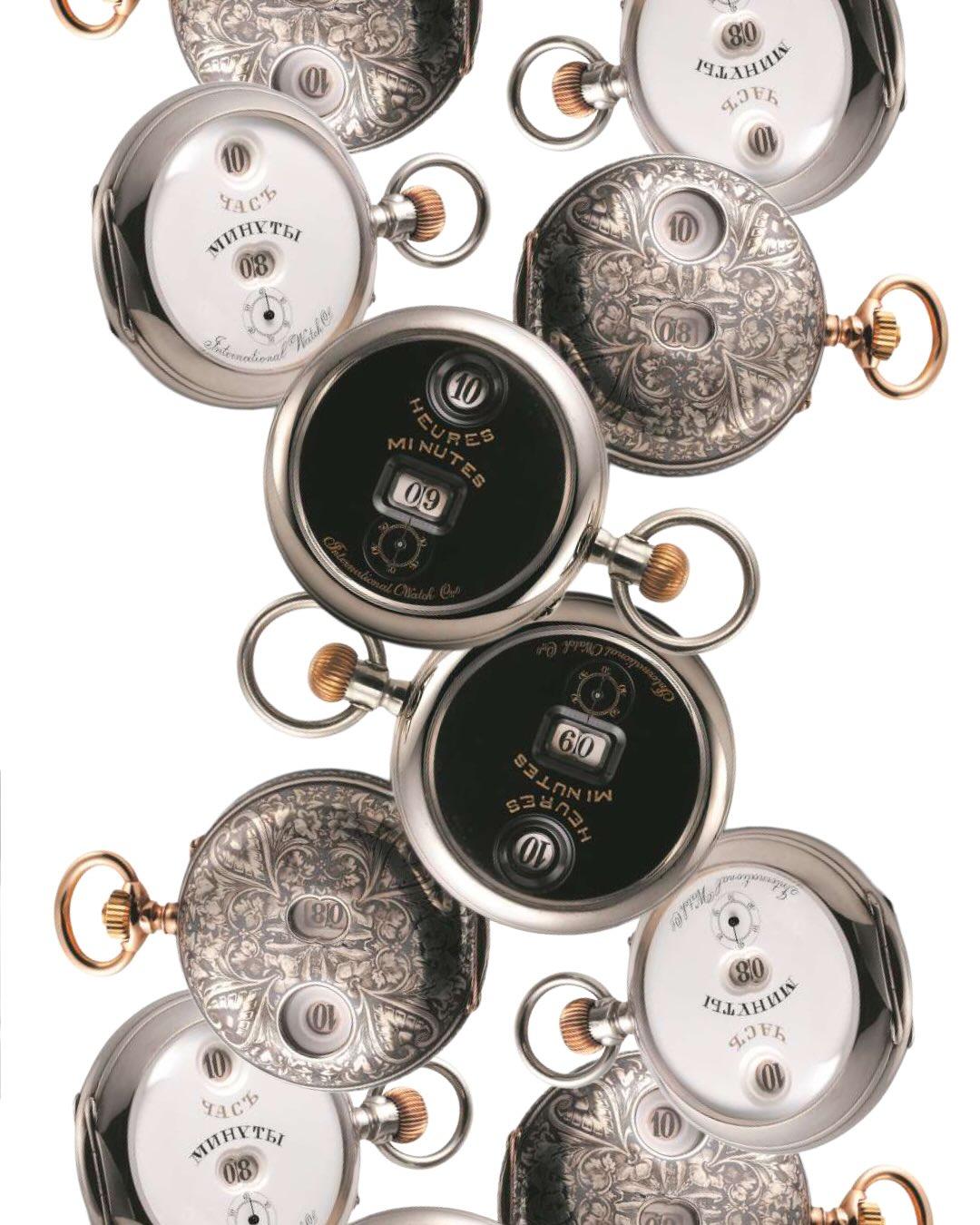
No electronics, just springs, levers, and discs doing quiet choreography. On the surface, it feels shockingly modern: time as typography.
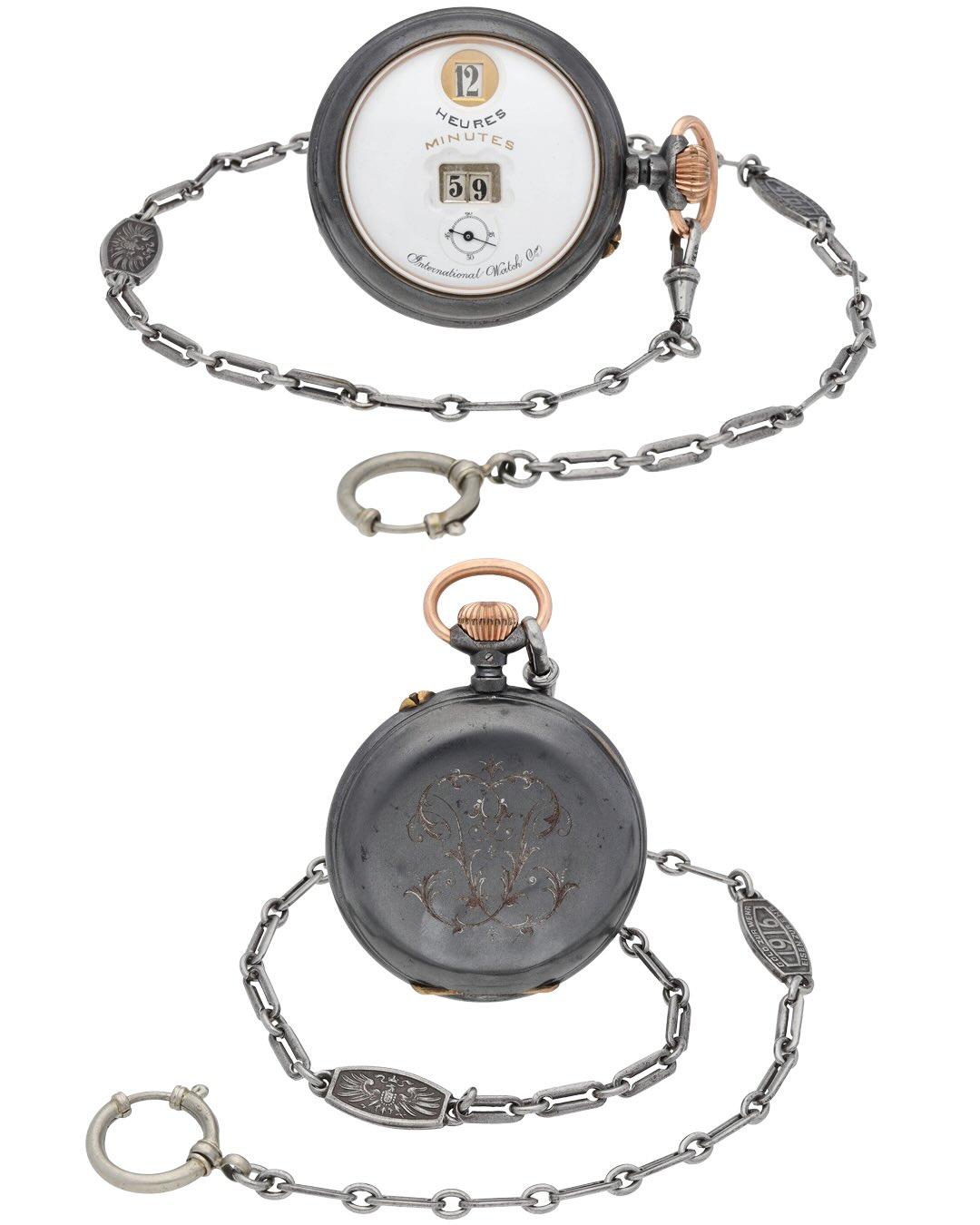
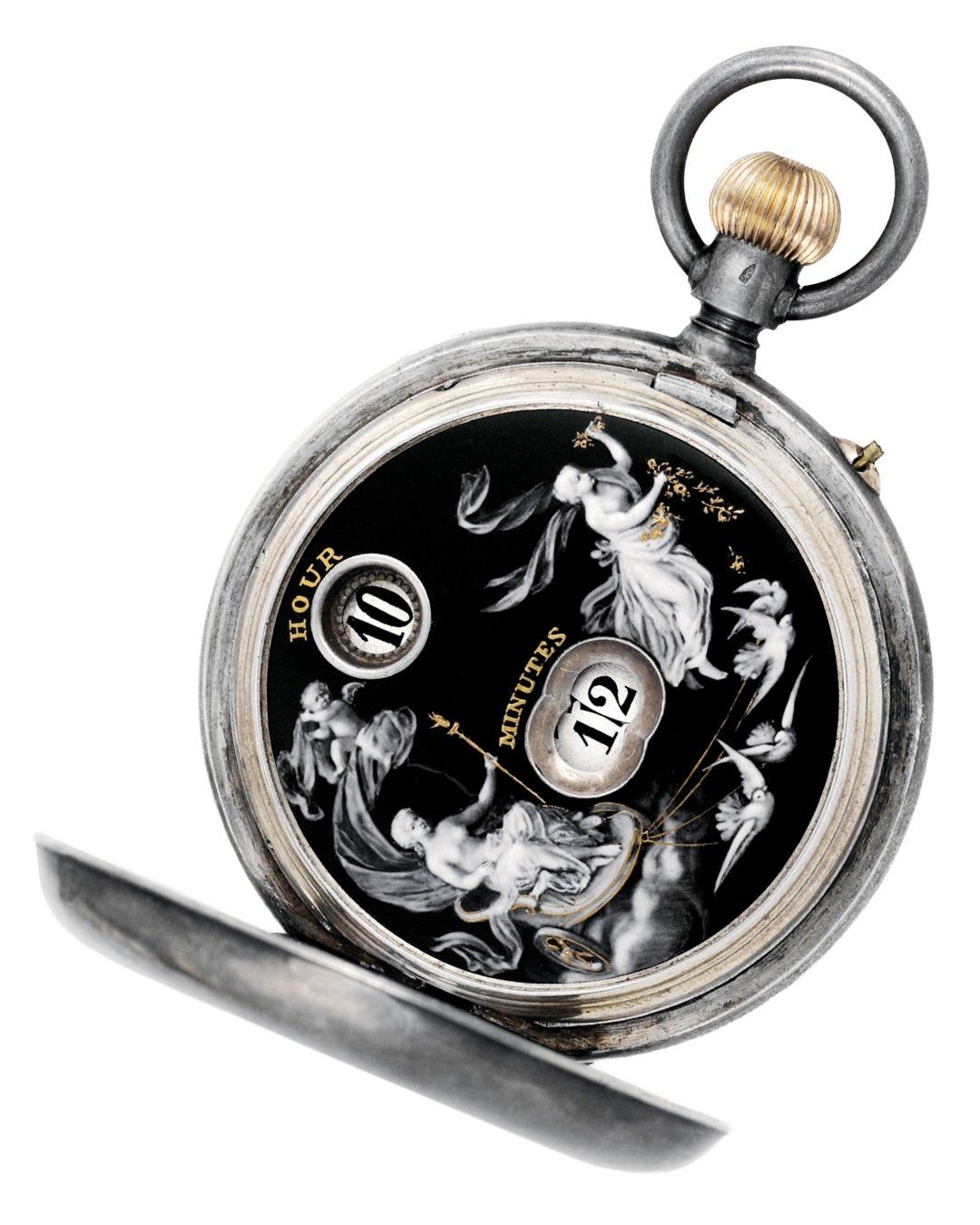
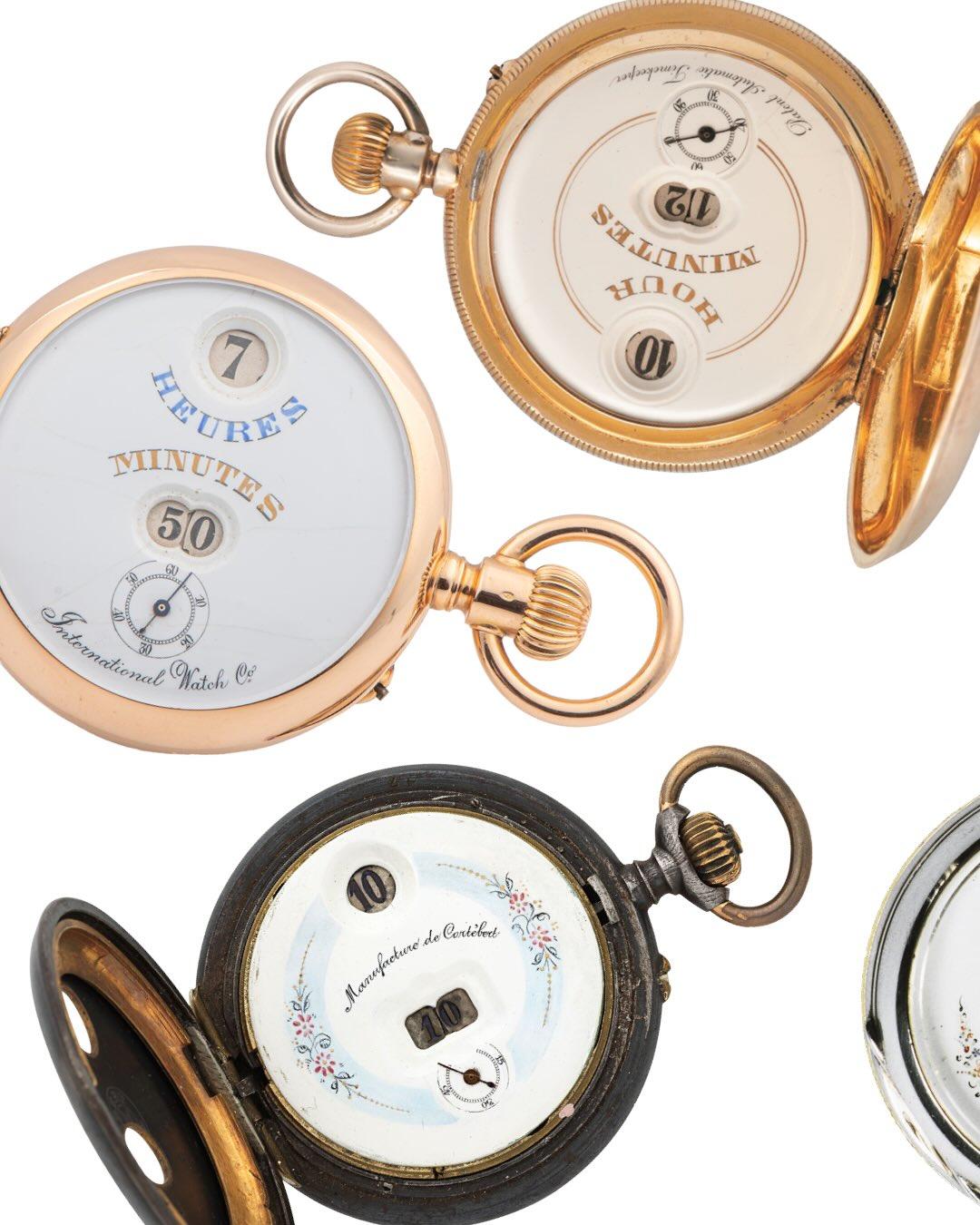
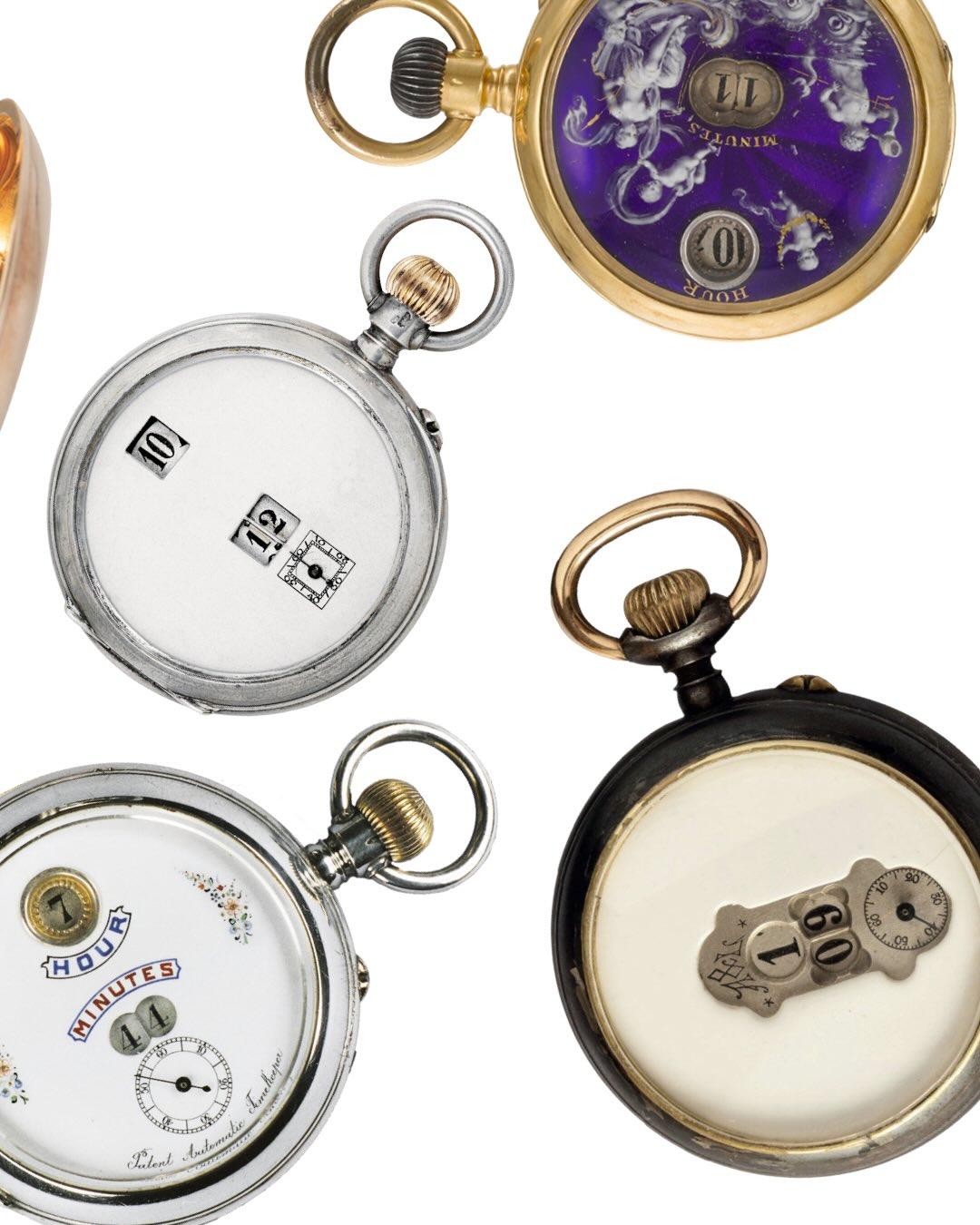
And it wasn’t a one-look gimmick. Surviving pieces show real dial variety, from clean enamel layouts to richly decorated compositions with crisp tracks, cartouches, and playful fonts.
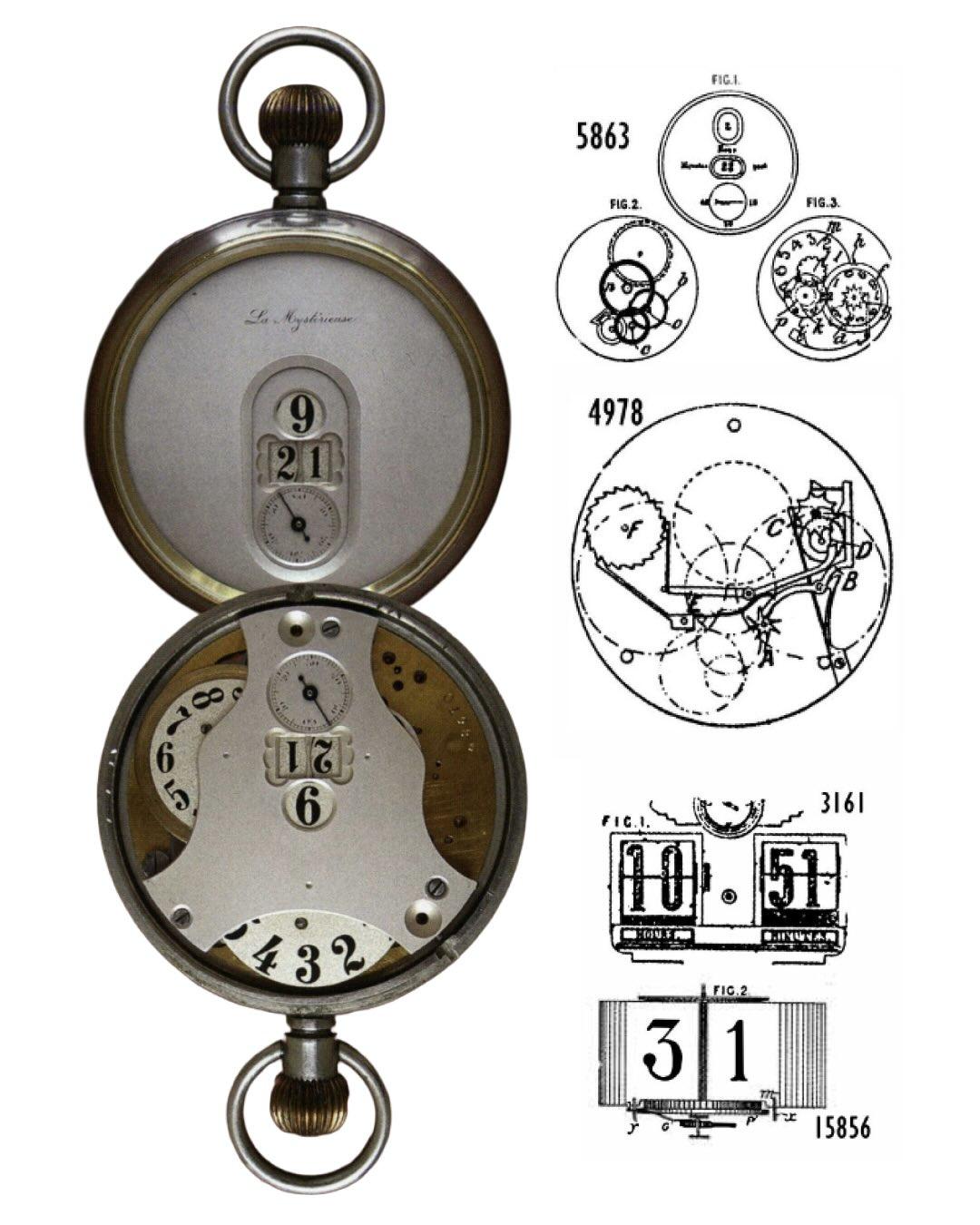
Same concept, totally different personality depending on how the “digital” readout is framed.
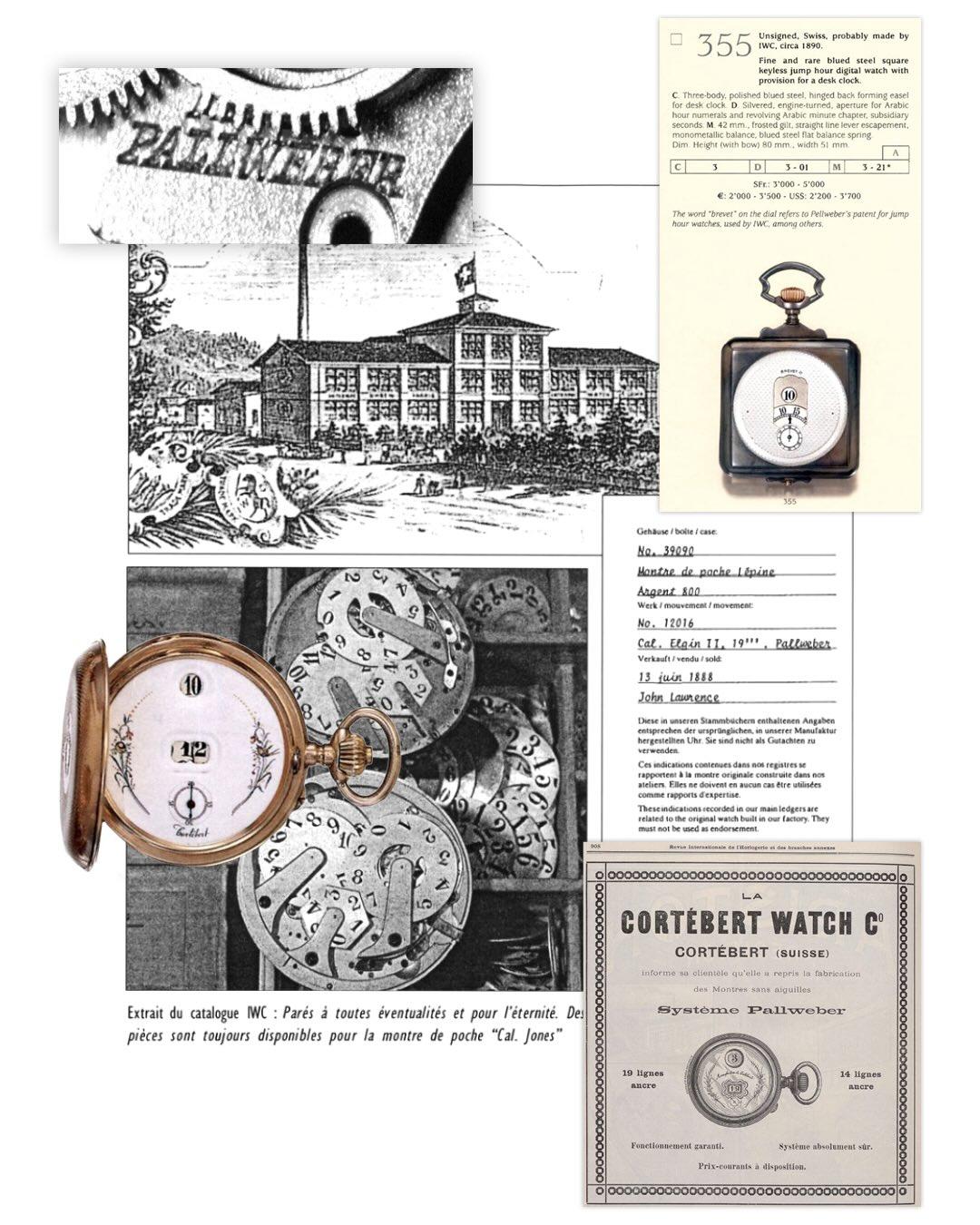
The patent quickly became a format others reinterpreted, not a single model to copy. Makers like Cortébert produced their own jump-hour digital pocket watches, showing how innovation spreads through capable manufacturers, not only the loudest names.