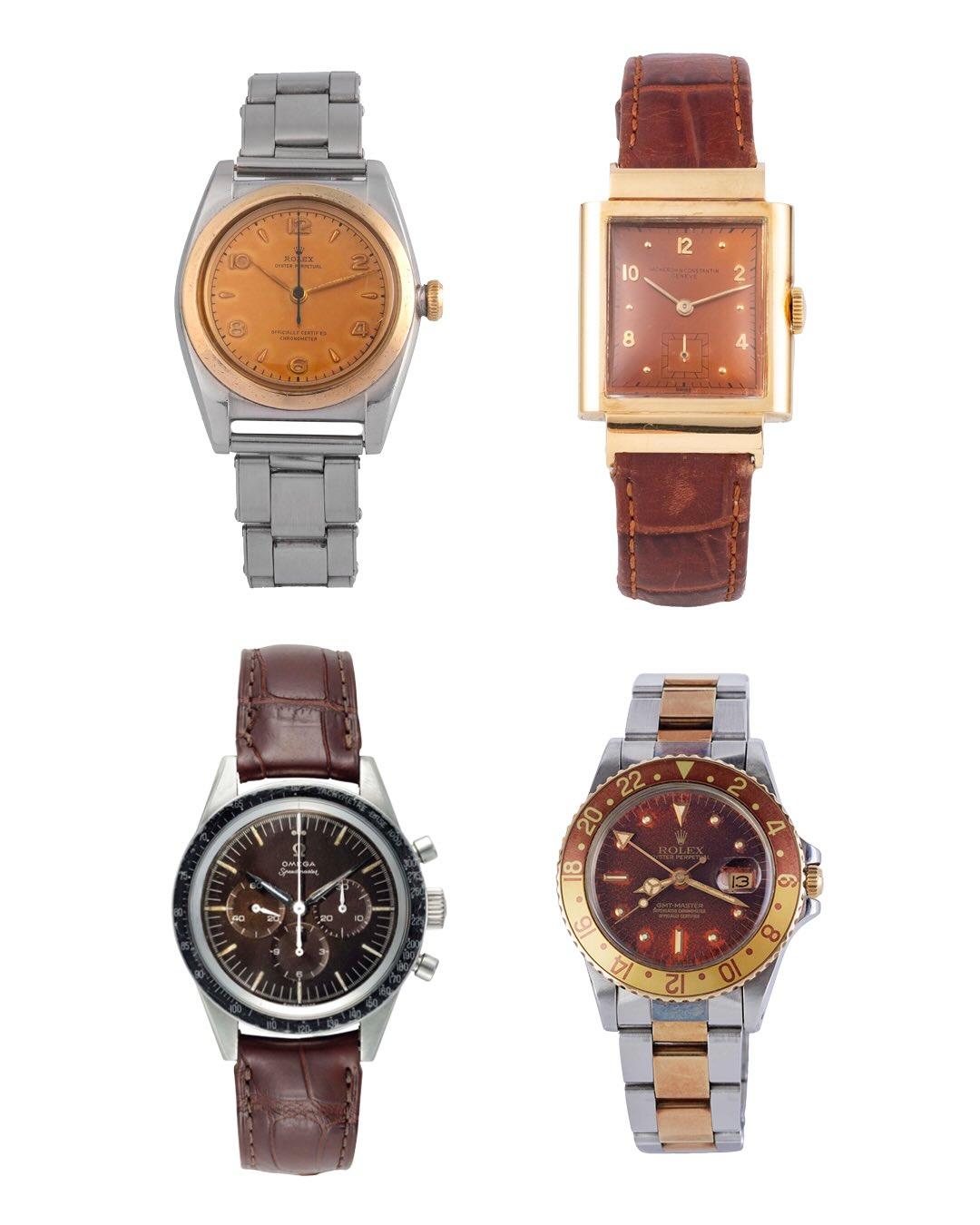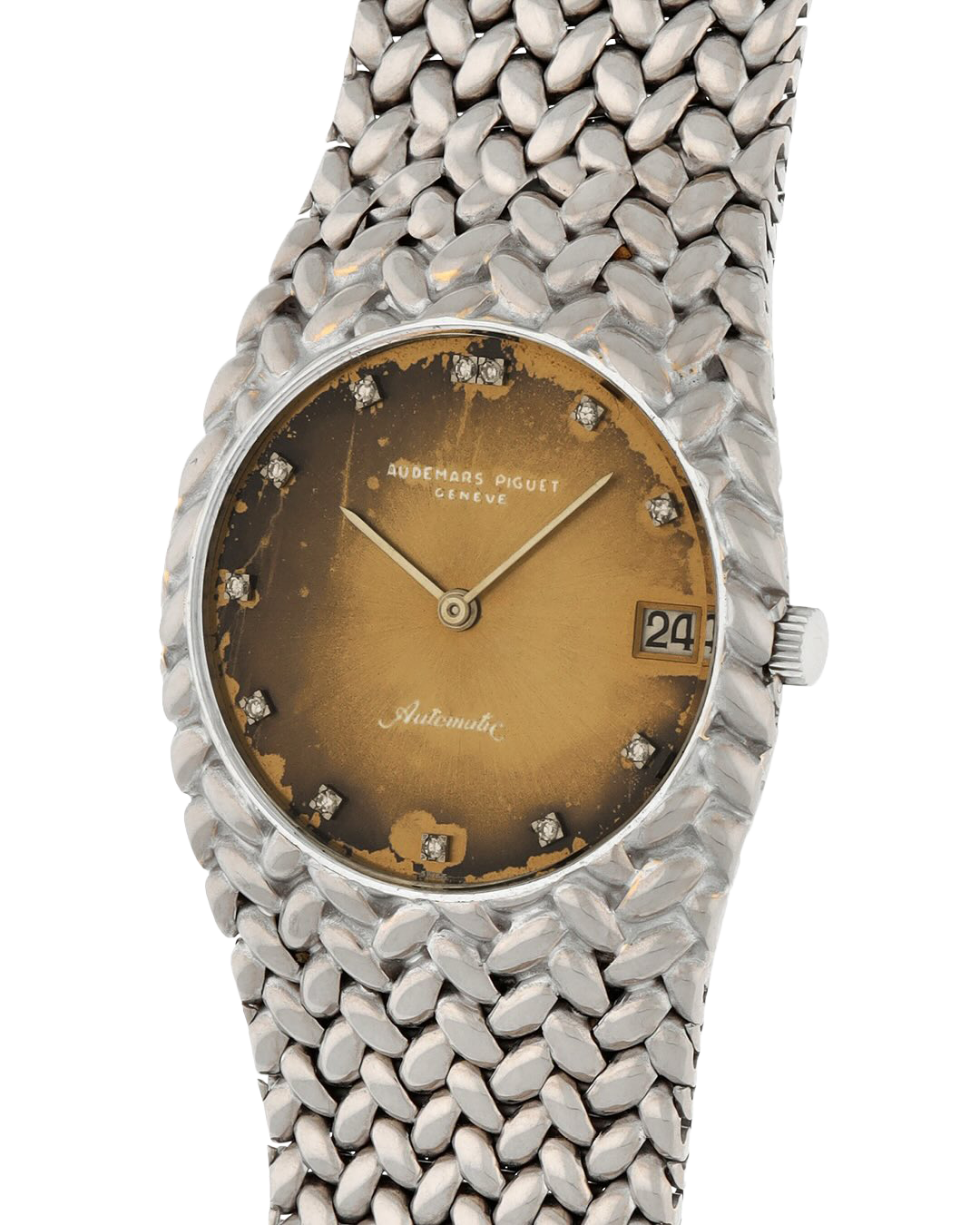
Quirky Backstory. Quirky Backstory. Quirky Backstory. Quirky Backstory. Quirky Backstory
Tropical Dials. Tropical Dials. Tropical Dials. Tropical Dials
23 January 2026
The Quirky Backstory Of Tropical Dials
They were born black, white, blue or grey — but time had other plans.
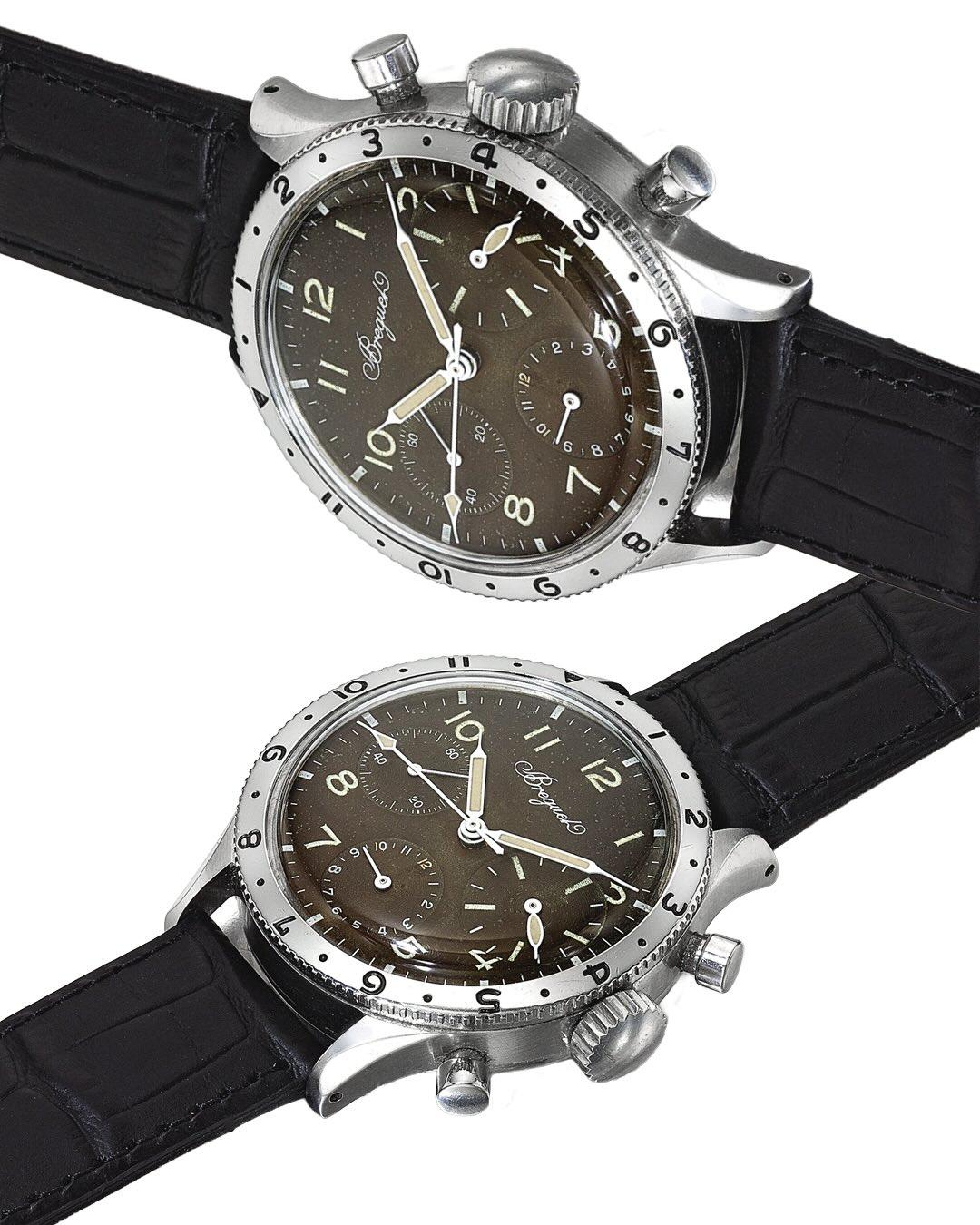
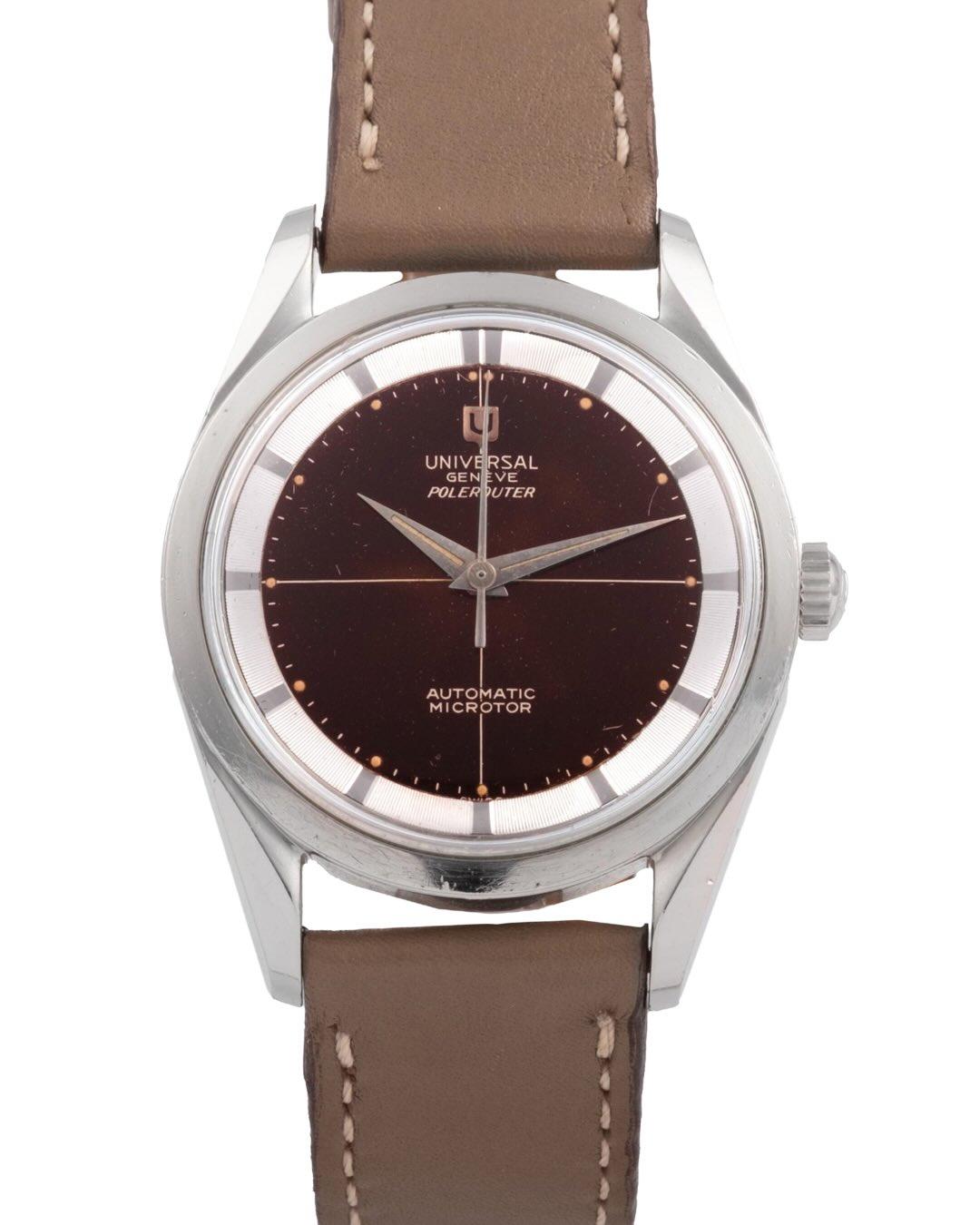
The transformation was never intentional. In the mid-20th century, dial lacquers and pigments weren’t always UV-resistant or perfectly stable.
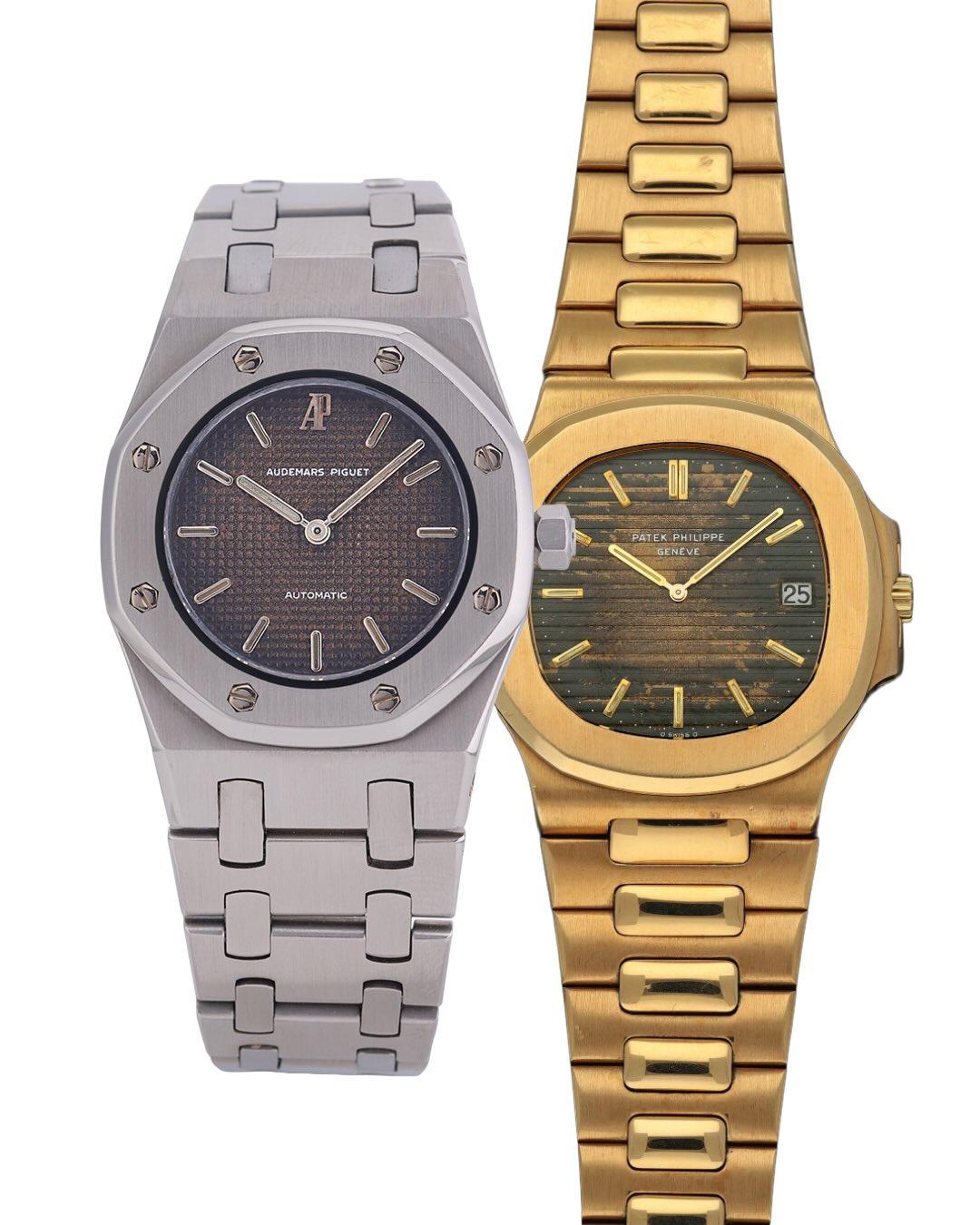
Combined with sunlight, humidity, storage conditions, or even tropical climates, the varnish would chemically react — slowly oxidizing and revealing warmer, uneven tones.
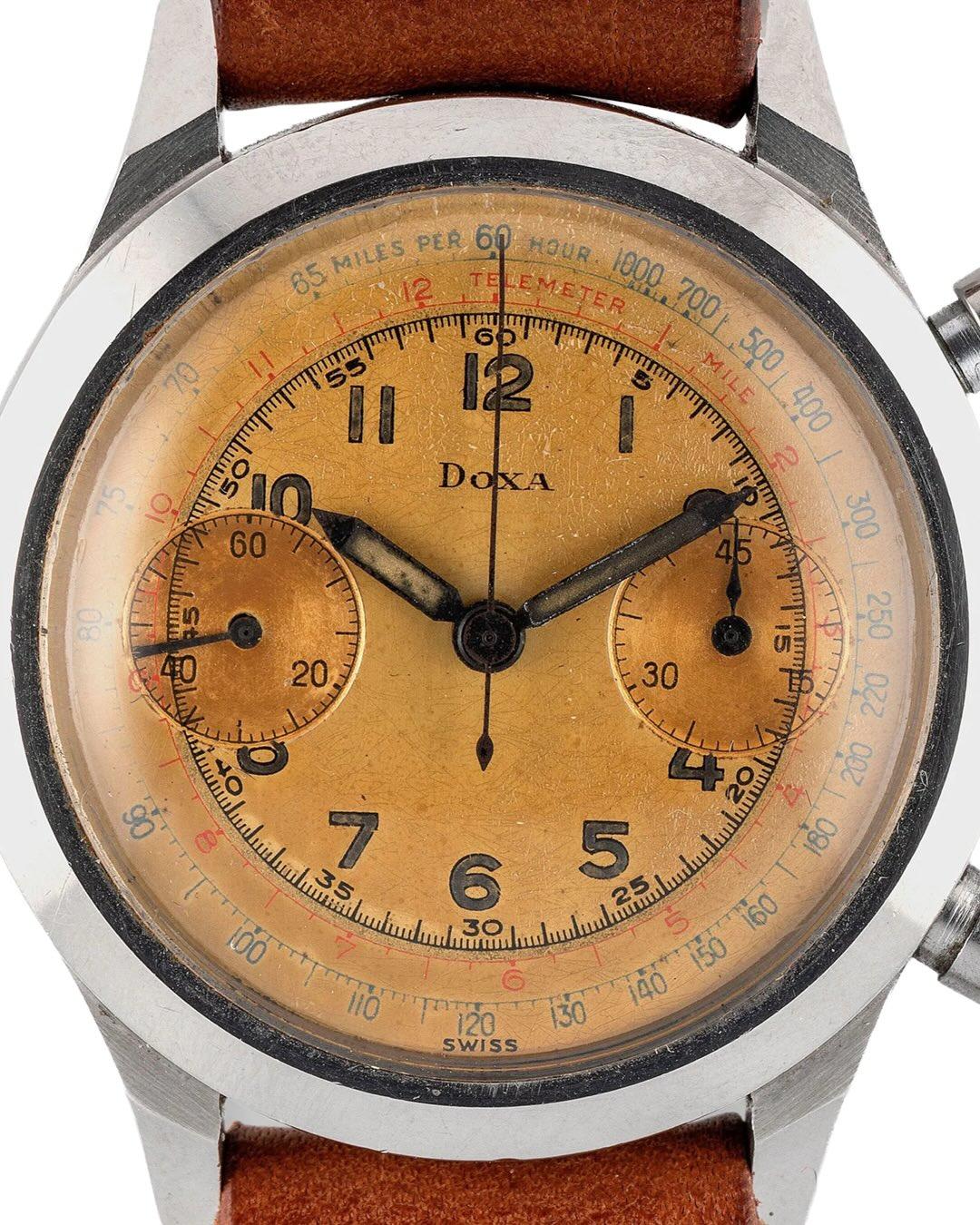
Each dial aged differently: depending on whether the watch lived in a safe, on a wrist, or simply under too much sun.
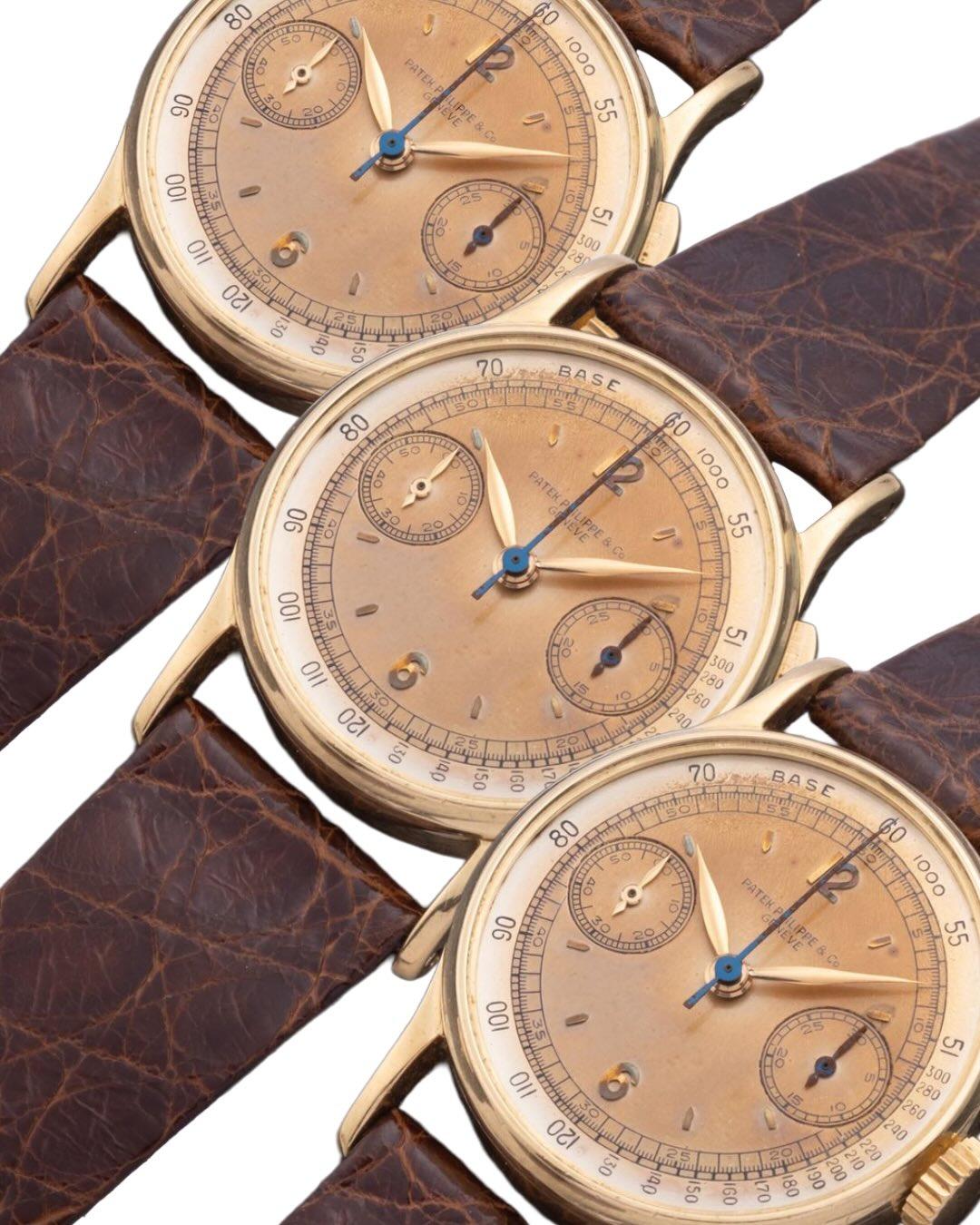
Not all tropical dials are equal. Some aged uniformly, like melted chocolate. Others show gradients, freckles, or subtle almond tones — the kind collectors poetically call “chocolate,” “honey,” or “espresso.” Authenticity matters: true tropicals are rare, naturally aged, and not artificially created.
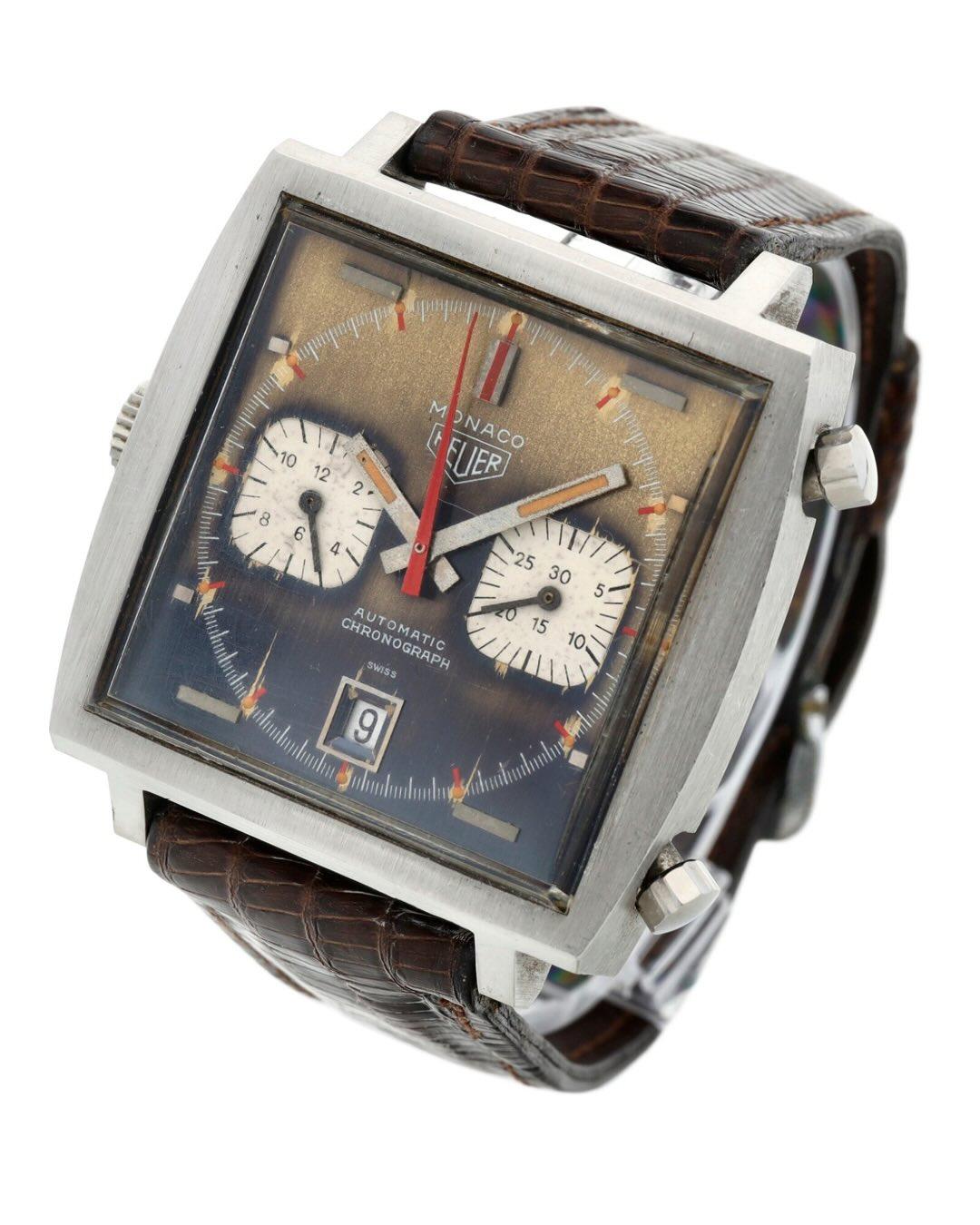
This unintended chemistry gave birth to something strangely poetic: a visual record of a watch’s life, shaped by time, light, and chance. Rolex Submariners, Omega Speedmasters, early Heuer chronographs, and a few Universal Genève models — some became iconic examples of this phenomenon, each carrying its own story on the dial.