Quirky Backstory. Quirky Backstory. Quirky Backstory. Quirky Backstory. Quirky Backstory
Patek Philippe Ricochet. Patek Philippe Ricochet. Patek Philippe Ricochet. Patek Philippe Ricochet
14 February 2026
The Quirky Backstory The Patek Philippe Ricochet
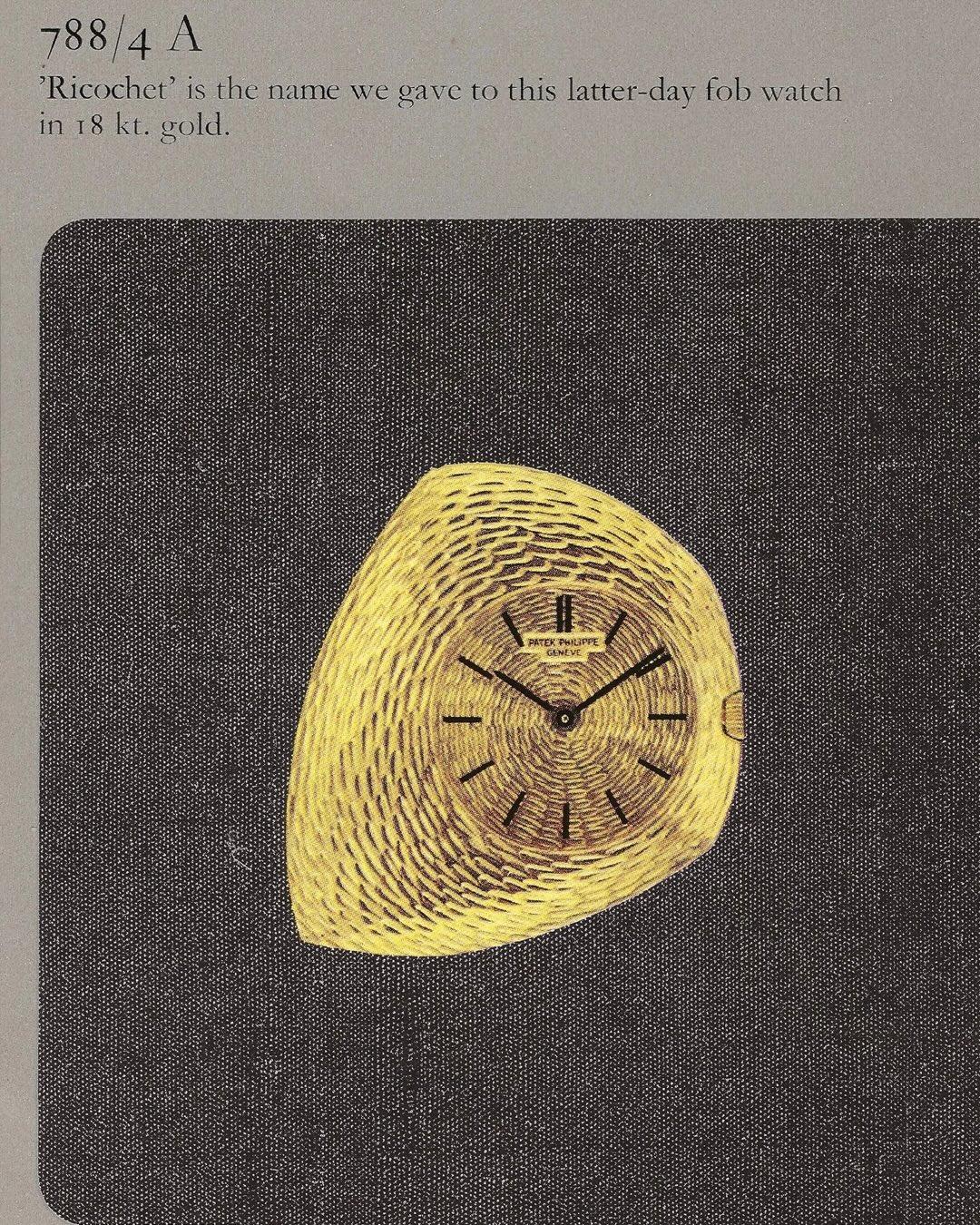
Patek Philippe isn’t exactly the brand you expect to find playing with “freeform” design. Which is precisely why the Ricochet feels so satisfying.
In the early 1960s, Patek introduced a small group of watches that looked less like timekeepers and more like sculpted pebbles.
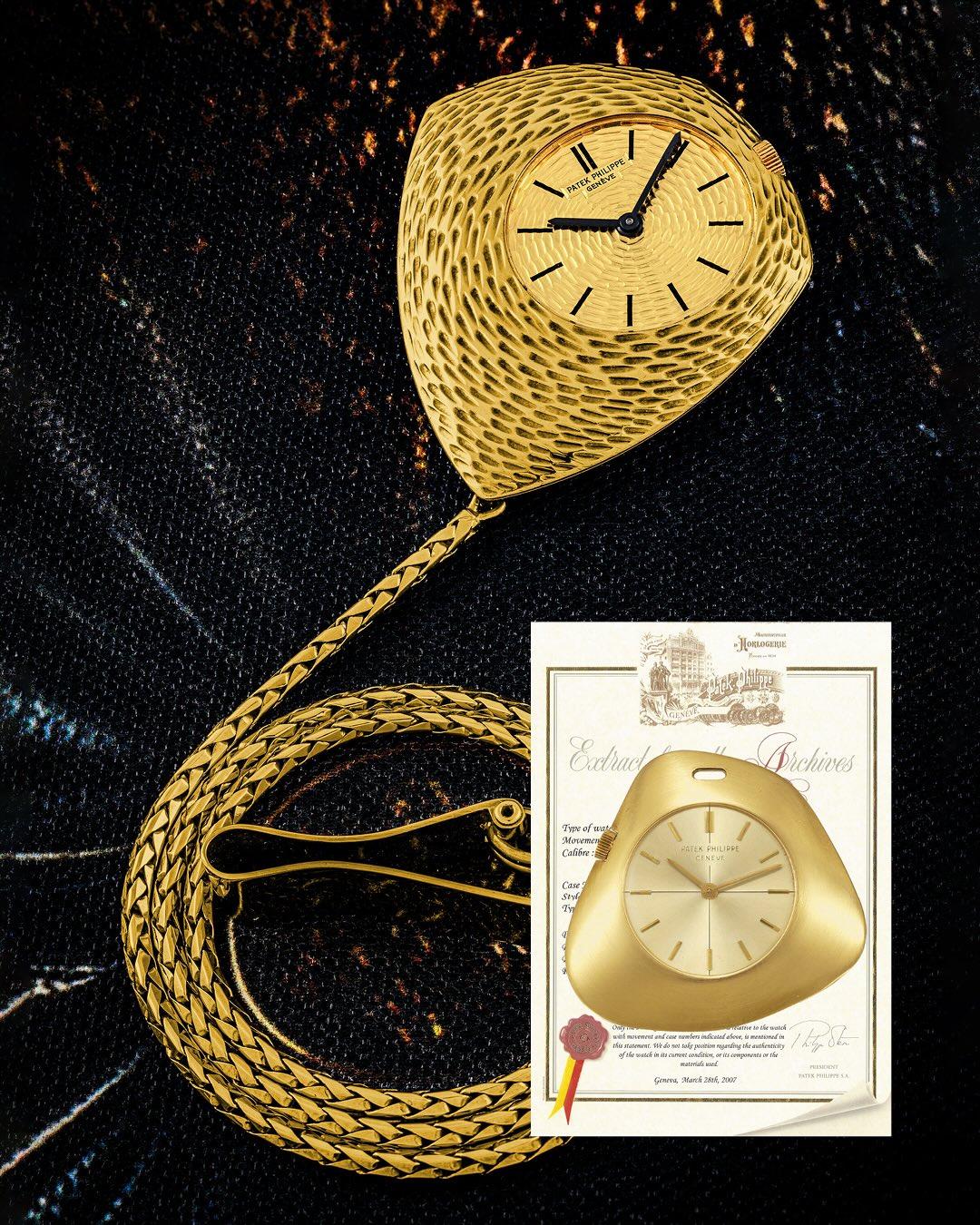
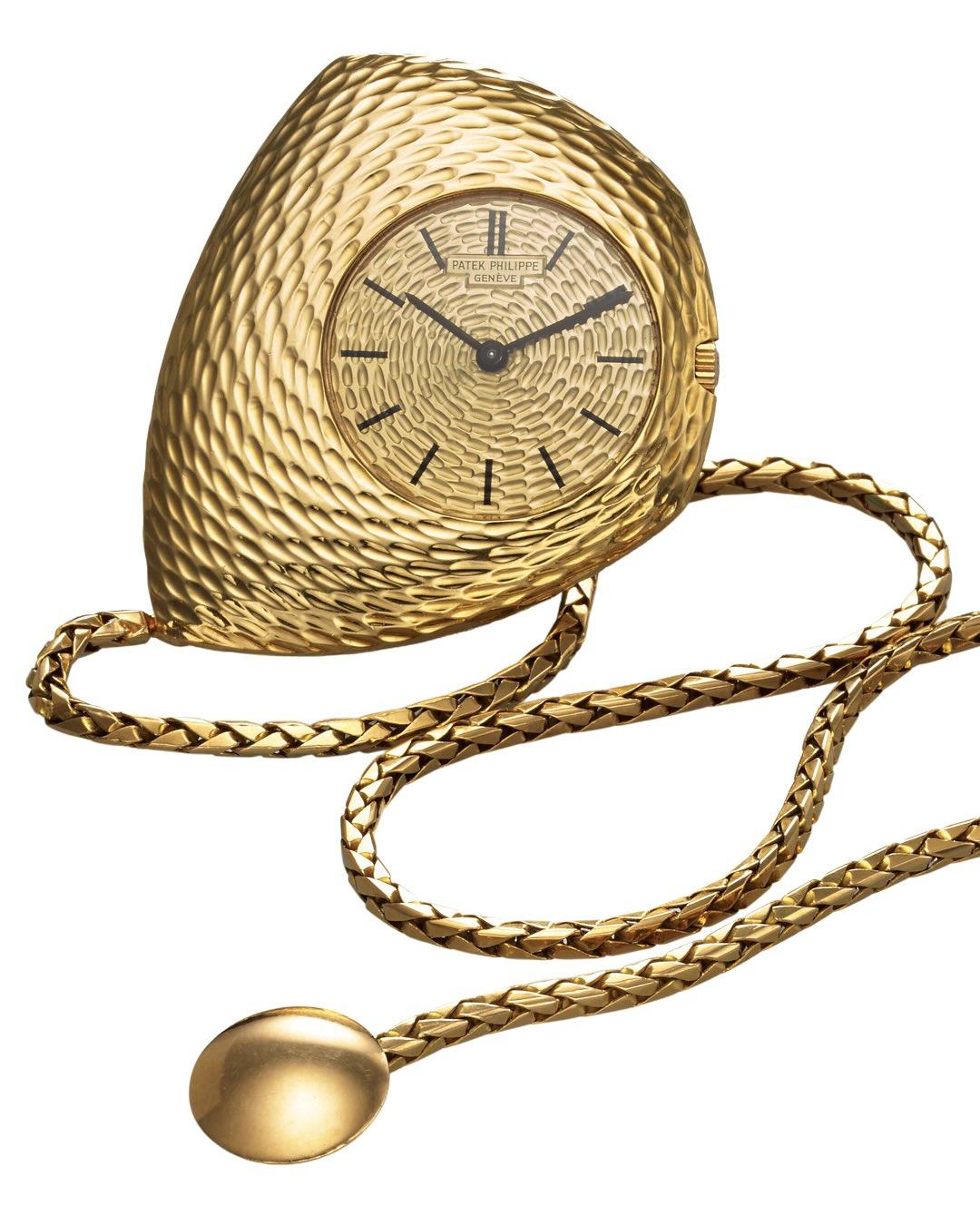
Asymmetrical cases, off-centre balances, and surfaces worked like jewellery: hammered, chiselled, striated, textured until the gold catches light from every angle.
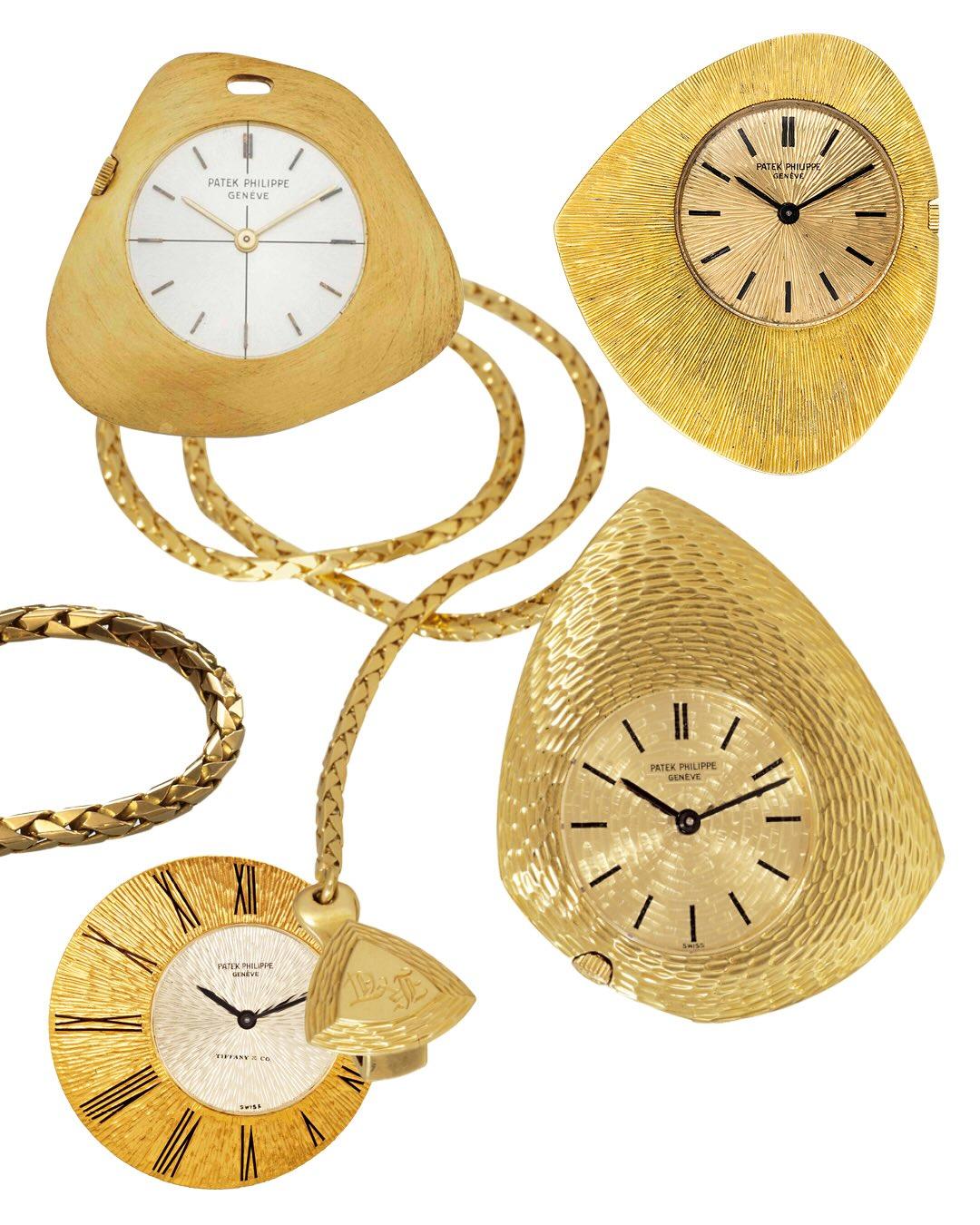
Some period material even describes them as being hammered from a block of 18k gold, a strong statement for a Maison better known for restraint.
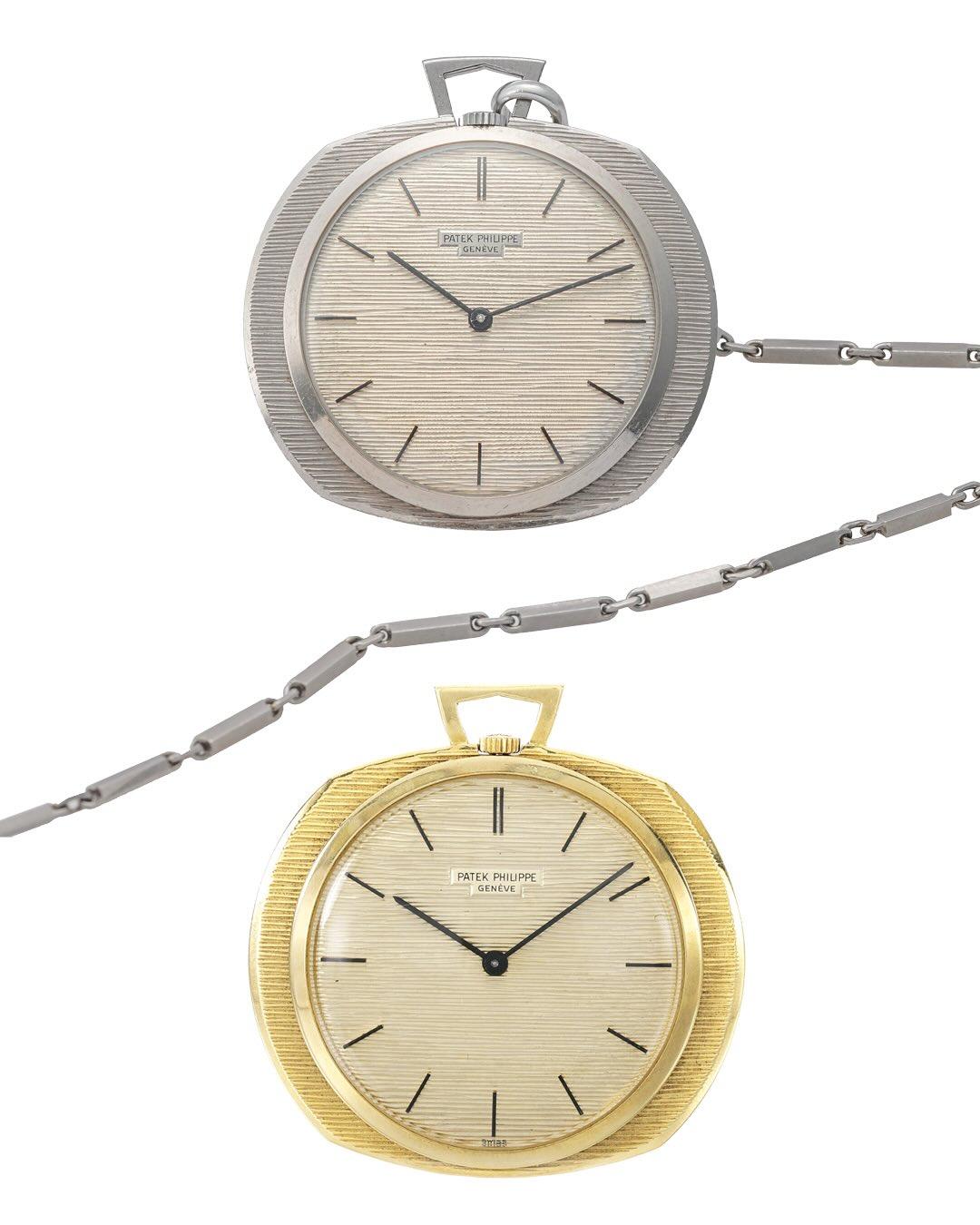
And “Ricochet” really is the perfect name. The form suggests impact and movement, like an object that bounced, spun, and froze mid-rebound.
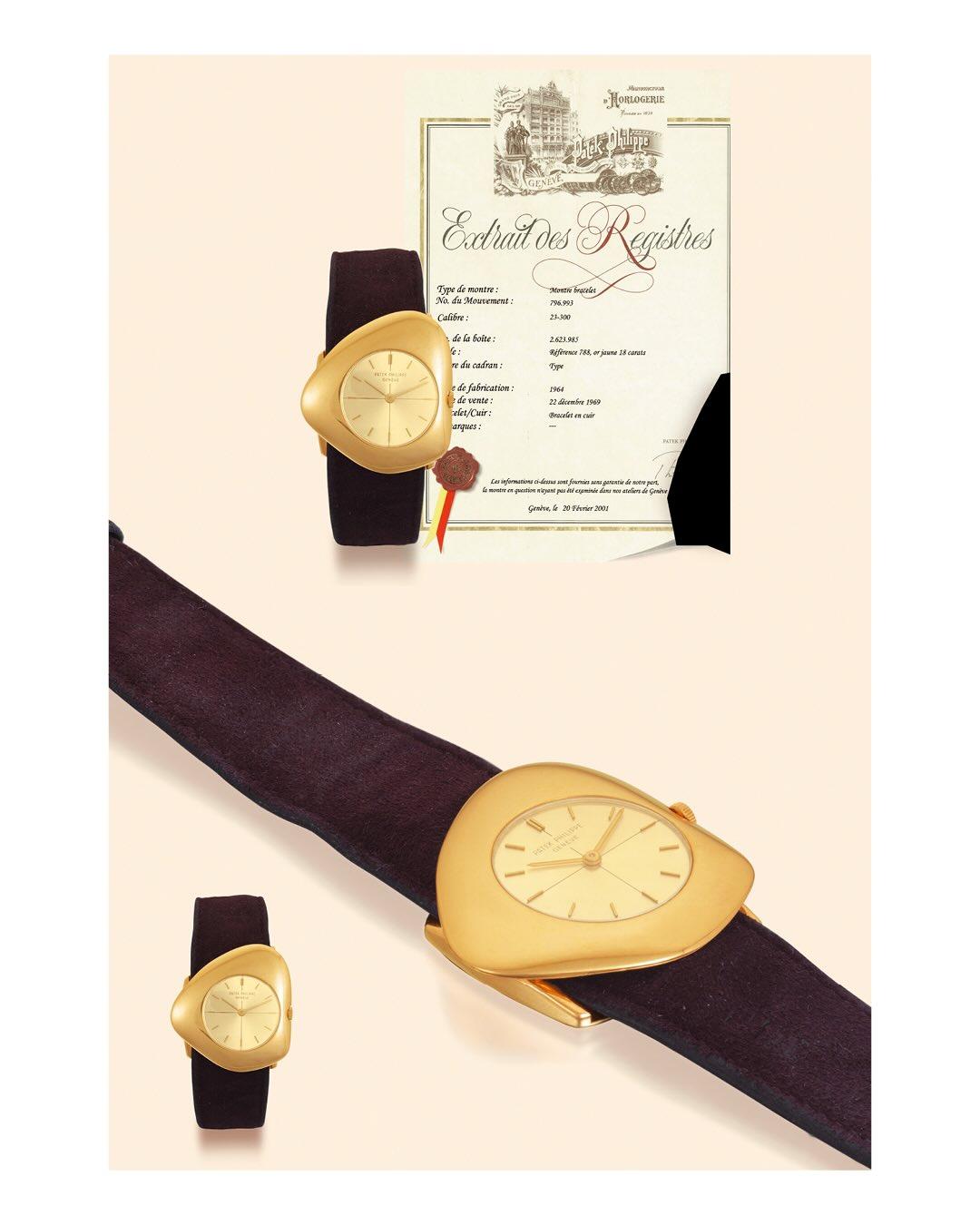
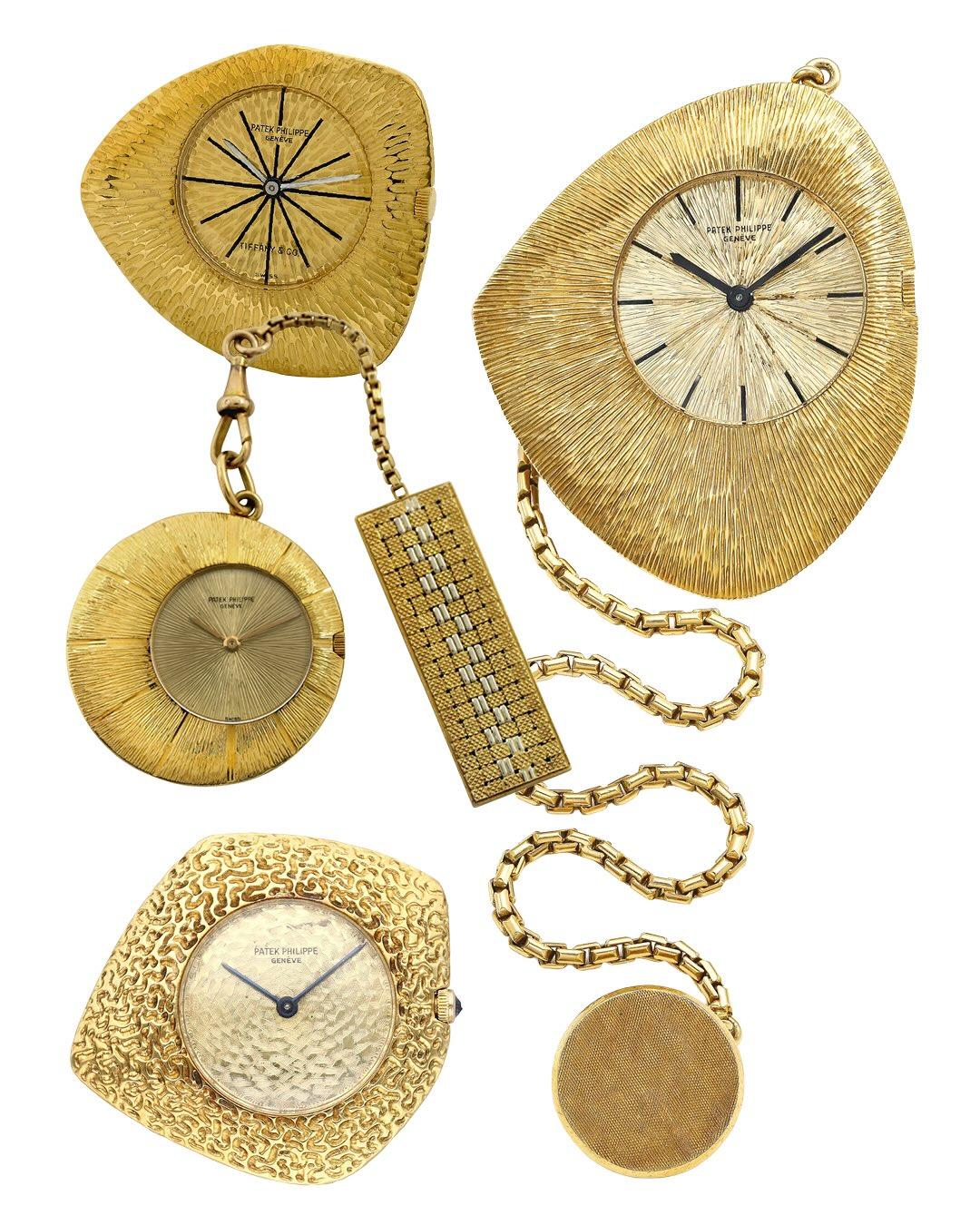
The collection wasn’t one shape, it was a whole family: different silhouettes, different textures, and even different ways to wear them. Wristwatch, pendant, fob-style pieces with chains. The same idea, remixed.
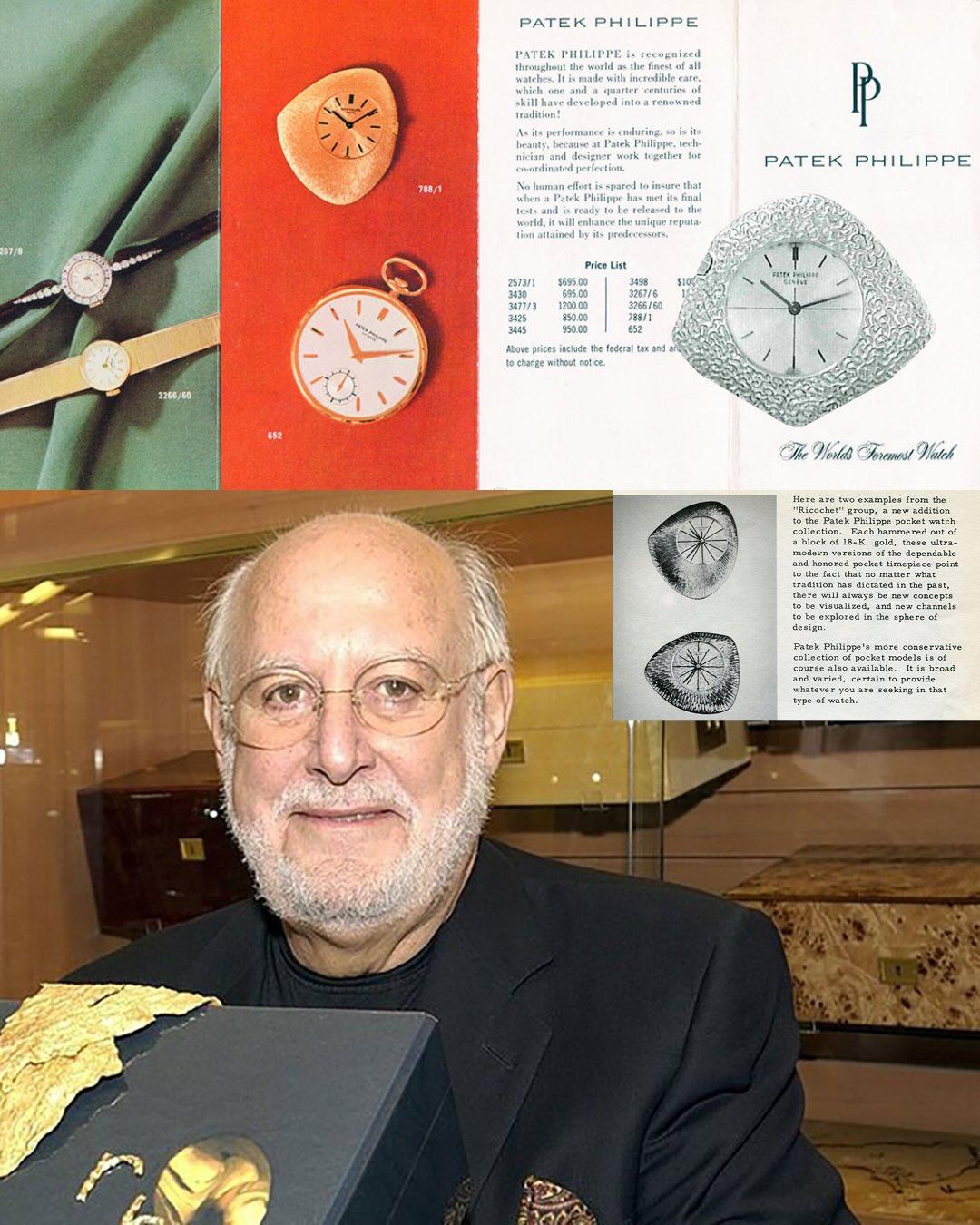
Many examples are linked to designer Gilbert Albert, one of the key figures behind Patek’s more daring 60s aesthetics.
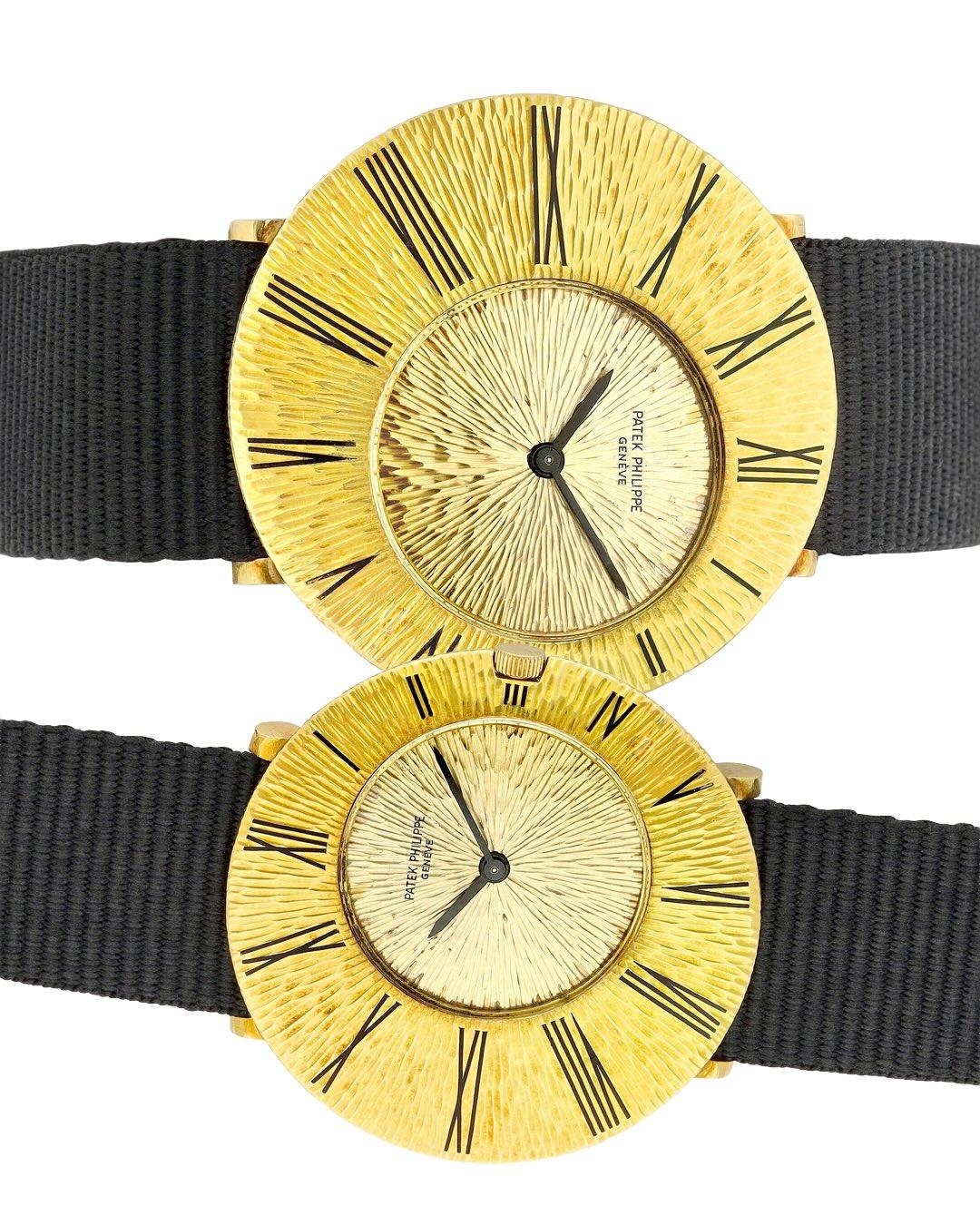
And the details get even more delicious when you spot double signatures like Tiffany & Co., reminding us that these unconventional Pateks travelled through the same prestigious retail networks as the brand’s “classic” icons.