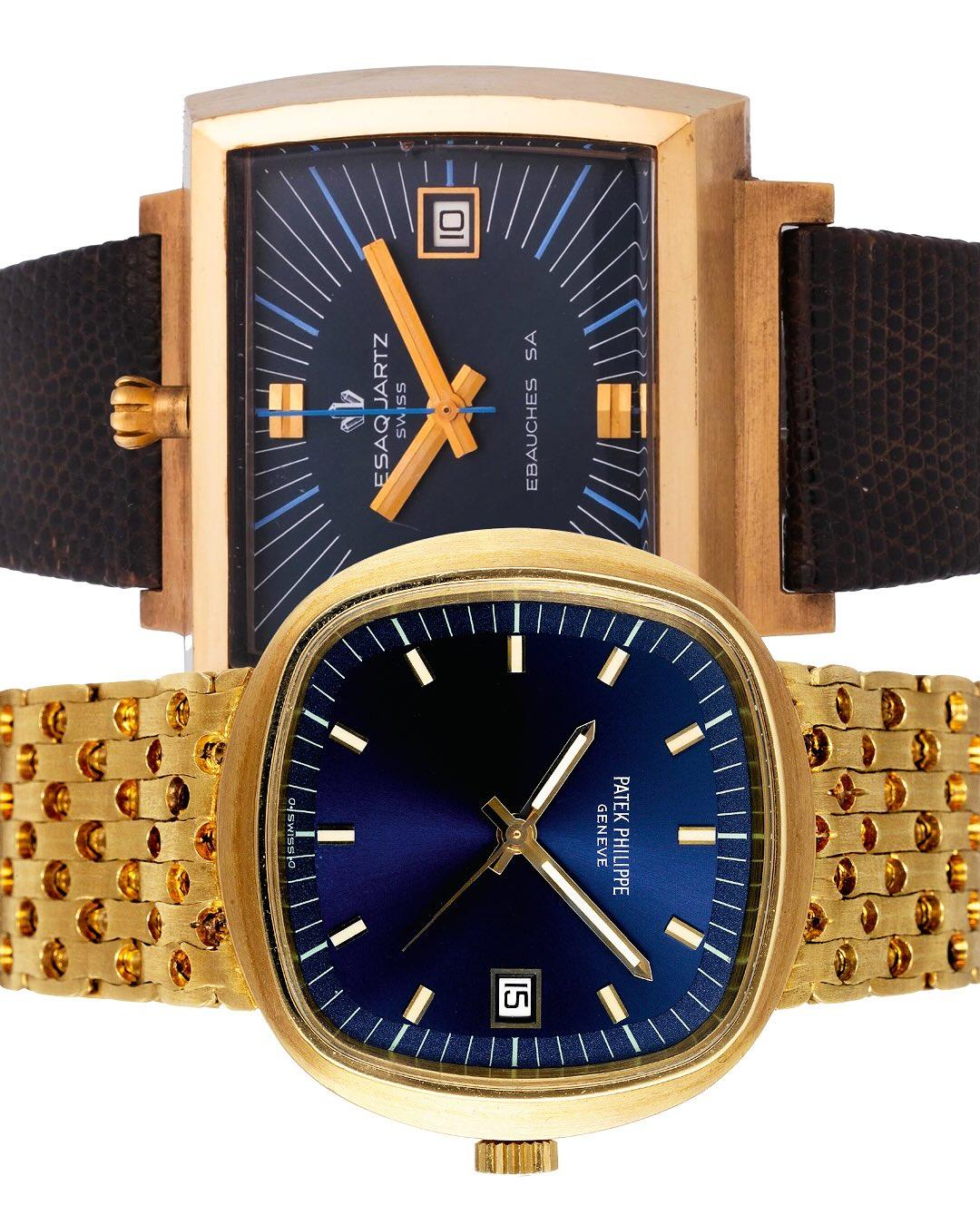
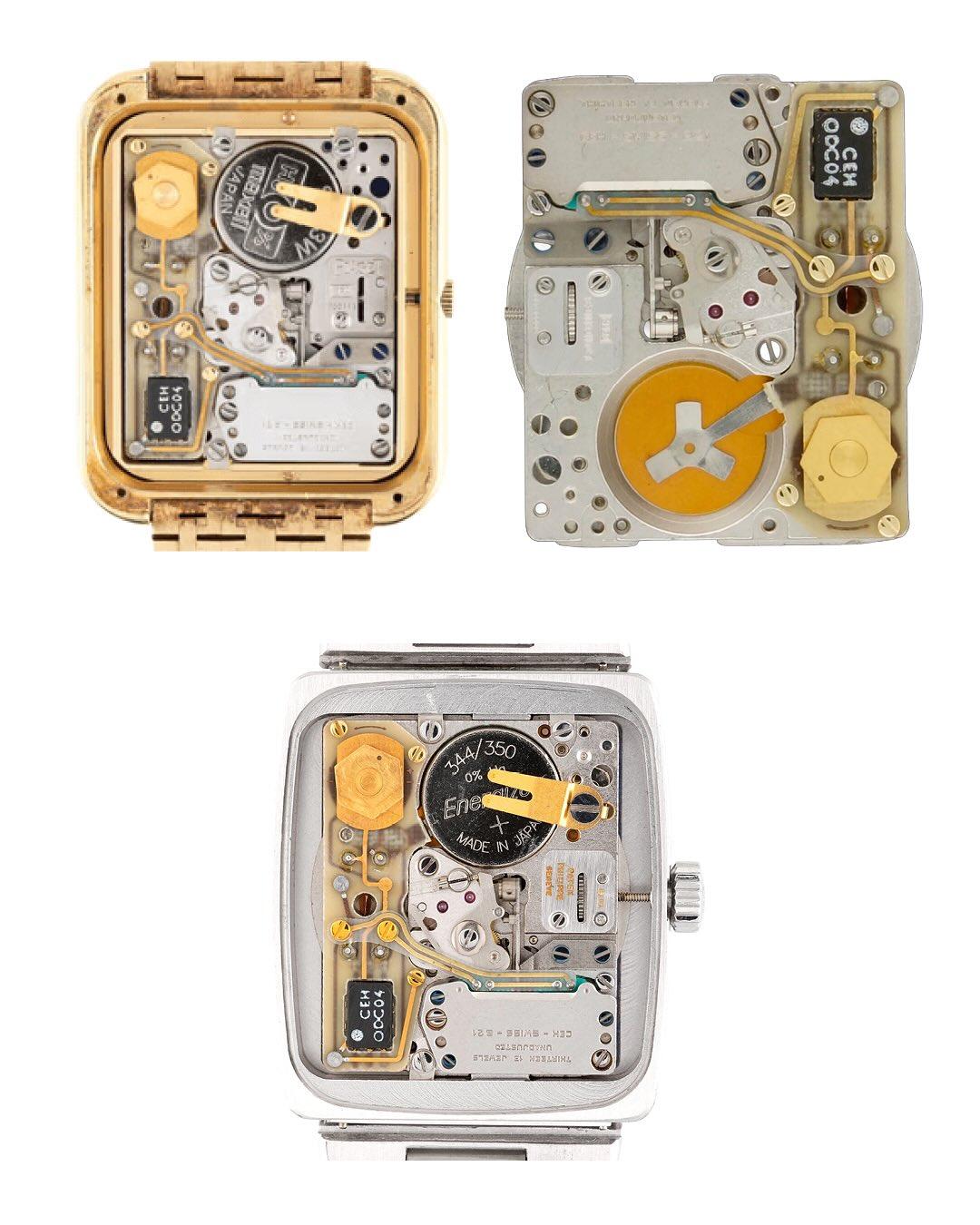
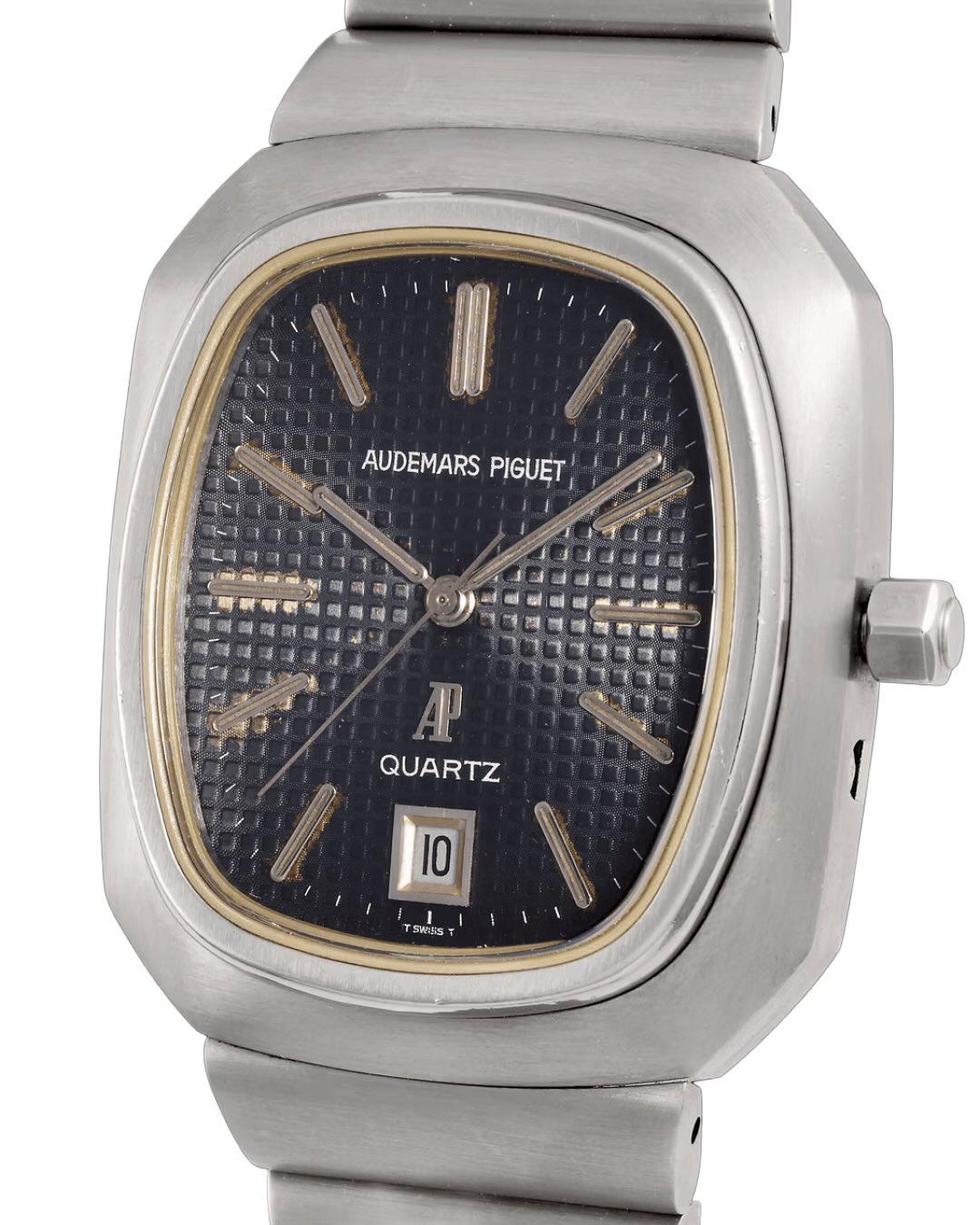
The Quirky Backstory Of The Beta 21 Quartz Movement
education
by @watches_and_culture
At the dawn of the 1970s, the Swiss watch industry faced a ticking dilemma: quartz was coming.
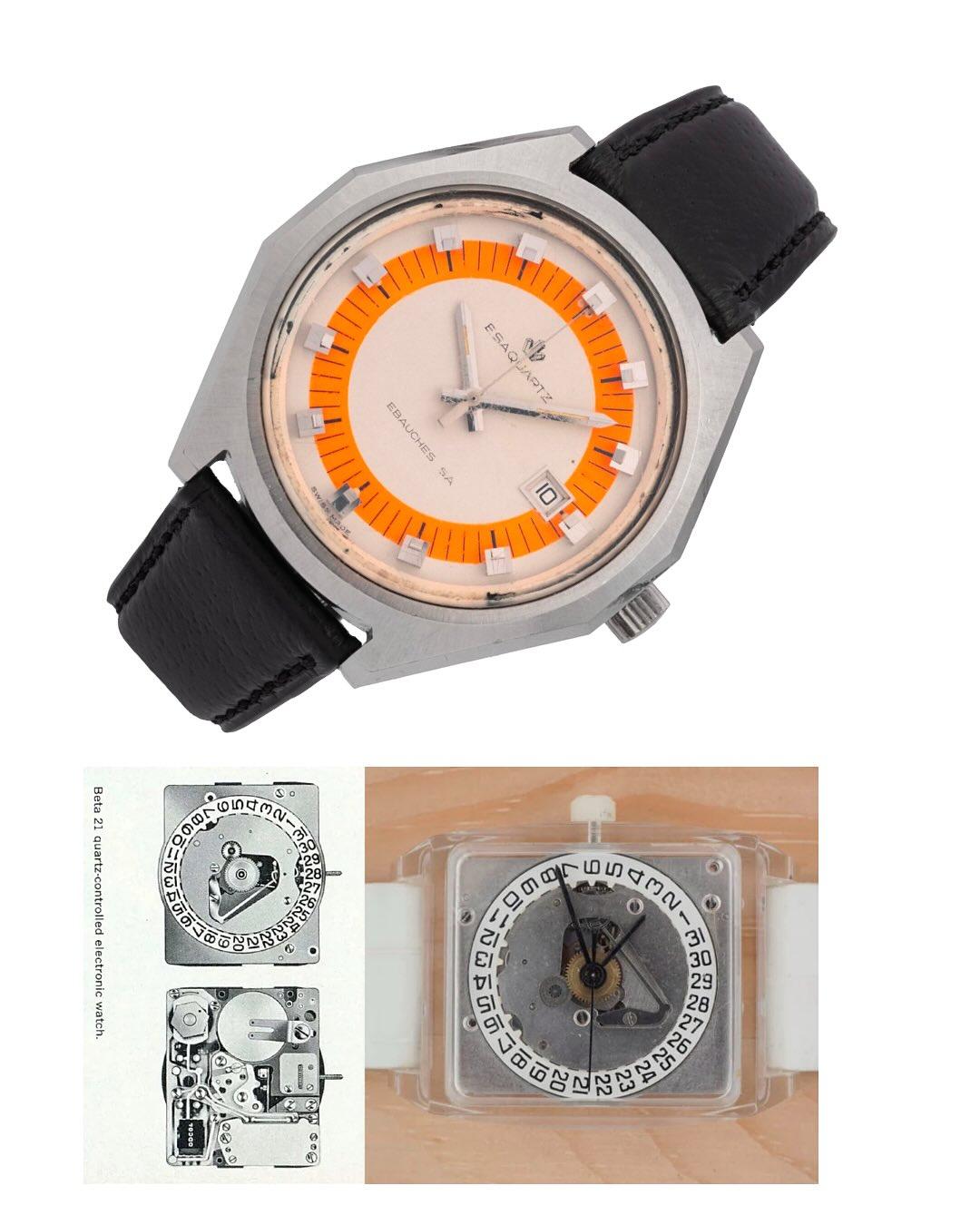
While Seiko unveiled the Astron in 1969, Switzerland struck back with the Beta 21, a quartz caliber born from an unprecedented collective effort of more than 20 maisons united under the CEH (Centre Electronique Horloger).
The idea was simple: if quartz was the future, Switzerland would make it Swiss.
But here’s the catch: the Beta 21 was huge. Nearly square, almost 8 mm thick, it dictated design rather than serving it.
Forget delicate cases — these watches came with bold, massive silhouettes that screamed seventies experimentation. Think oversized gold, angular lines, and space-age vibes.
Brands didn’t just follow the brief; they had fun with it.
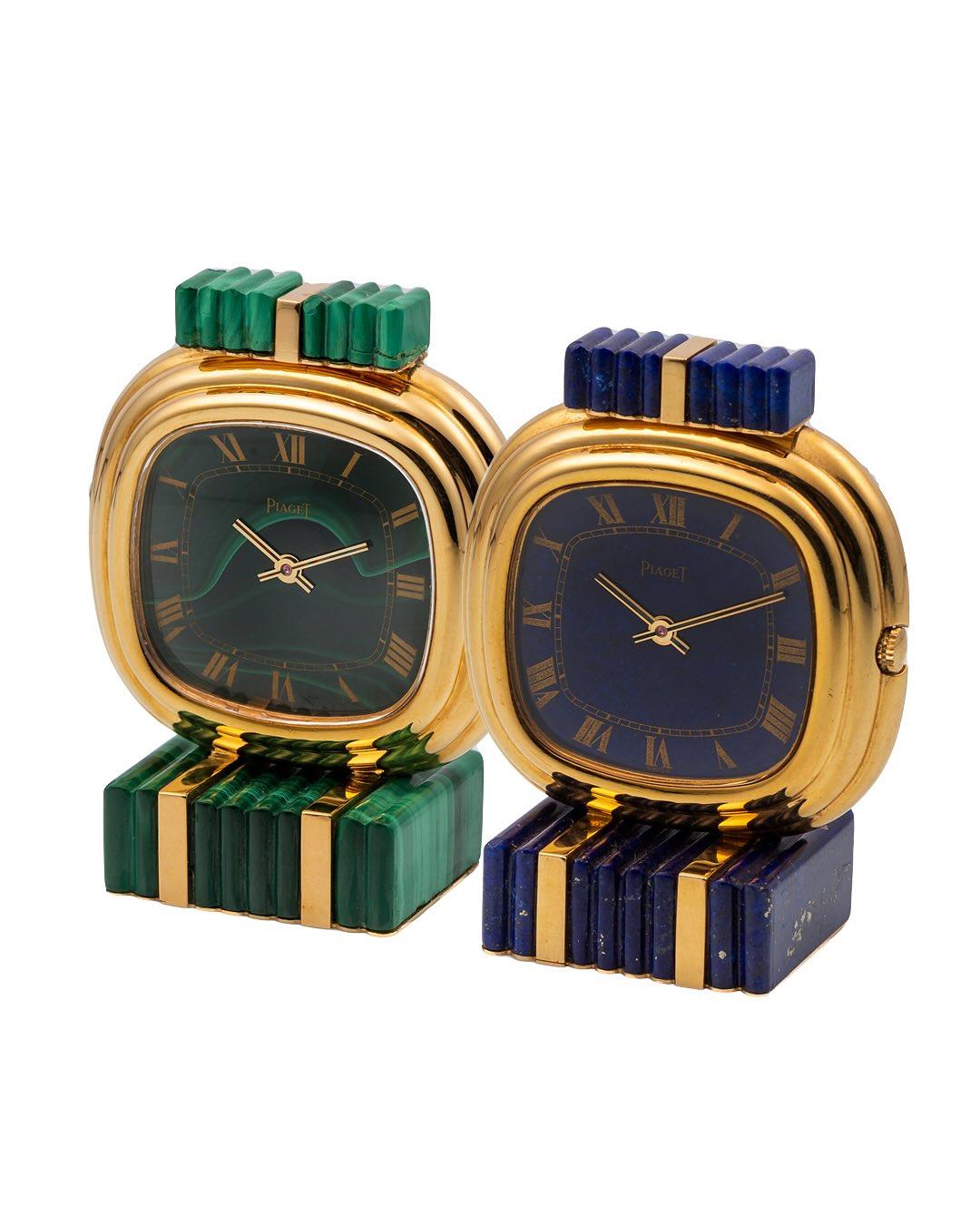
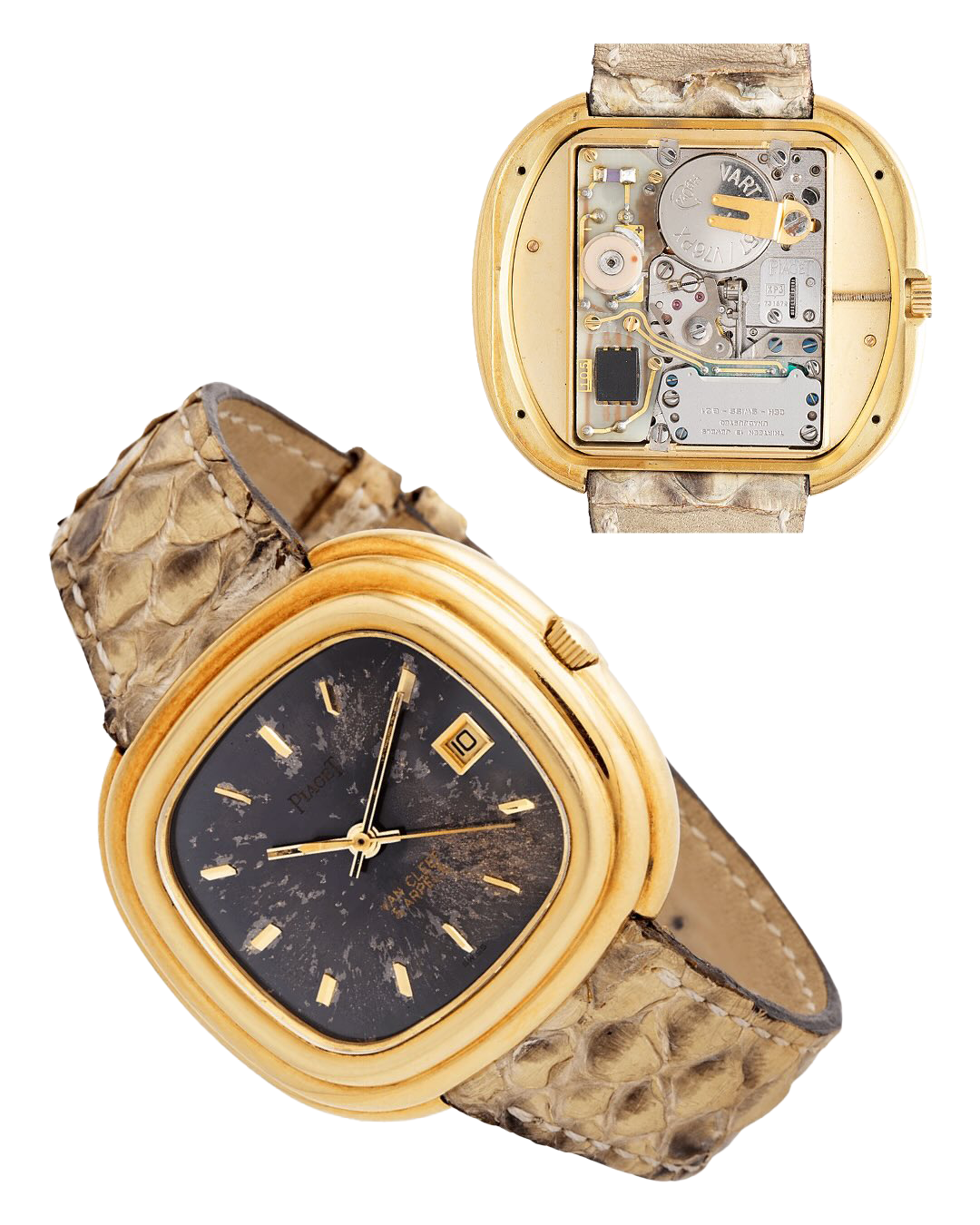
Piaget went wild, housing the Beta 21 in precious cases with hardstone dials ranging from lapis lazuli to tiger’s eye.
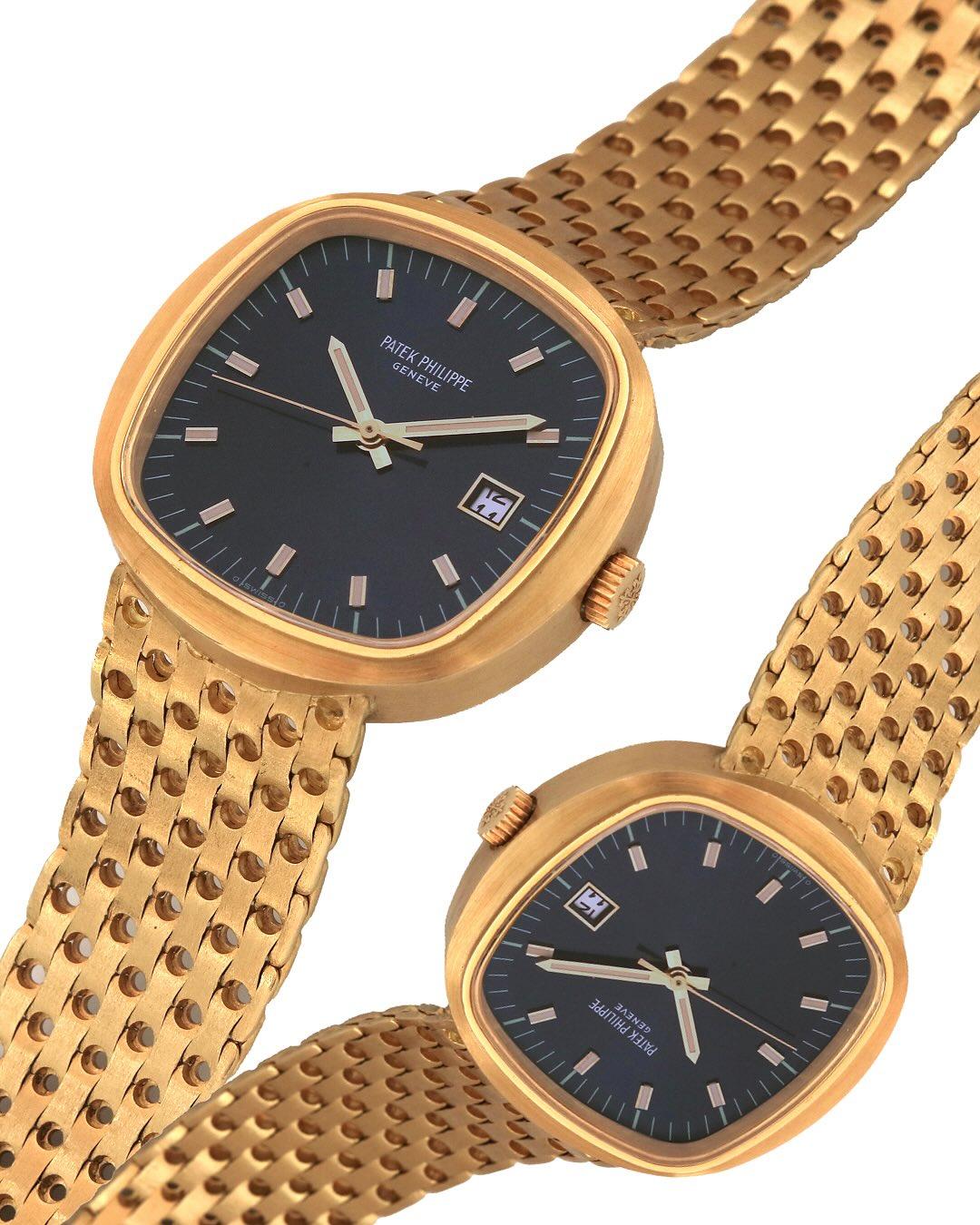
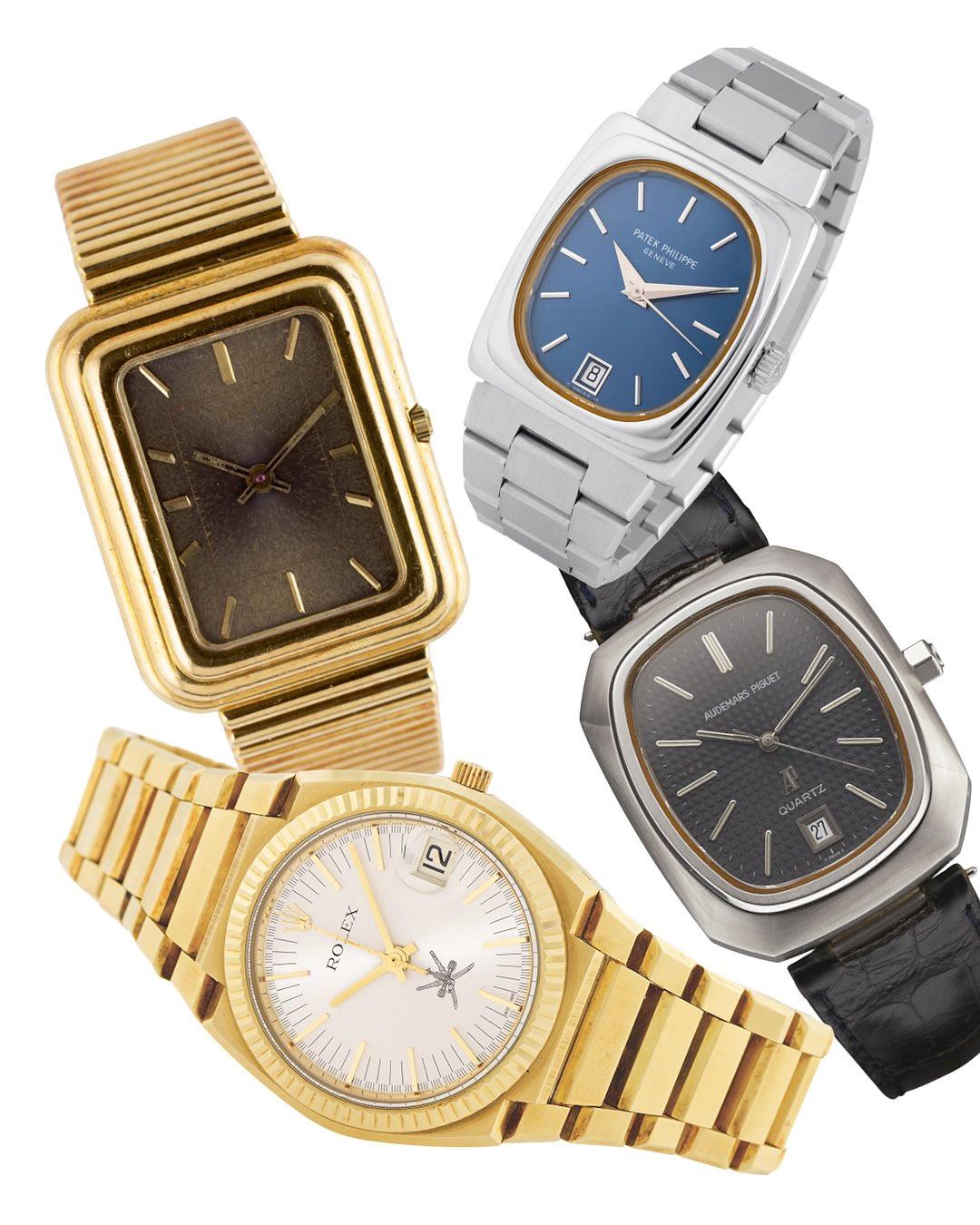
Patek Philippe, amongst others, also joined the party with their ref. 3587, a true wrist-statement. Audemars Piguet also joined them with the very rare Ref.6001.
Only about 6,000 Beta 21 calibers were ever produced, quickly overshadowed by slimmer, more efficient quartz movements. Yet, these watches remain fascinating relics: symbols of a brief, audacious moment when Switzerland tried to reinvent time itself. Big, bold, and a little quirky — just like the era that gave them life.