FHH | Watch Makers: a deep dive into mechanical watchmaking

Watch Makers. Watch Makers. Watch Makers. Watch Makers. Watch Makers

Watch Makers. Watch Makers. Watch Makers. Watch Makers

08 July 2025

Watch Makers: a deep dive into mechanical watchmaking

education

by Christophe Roulet

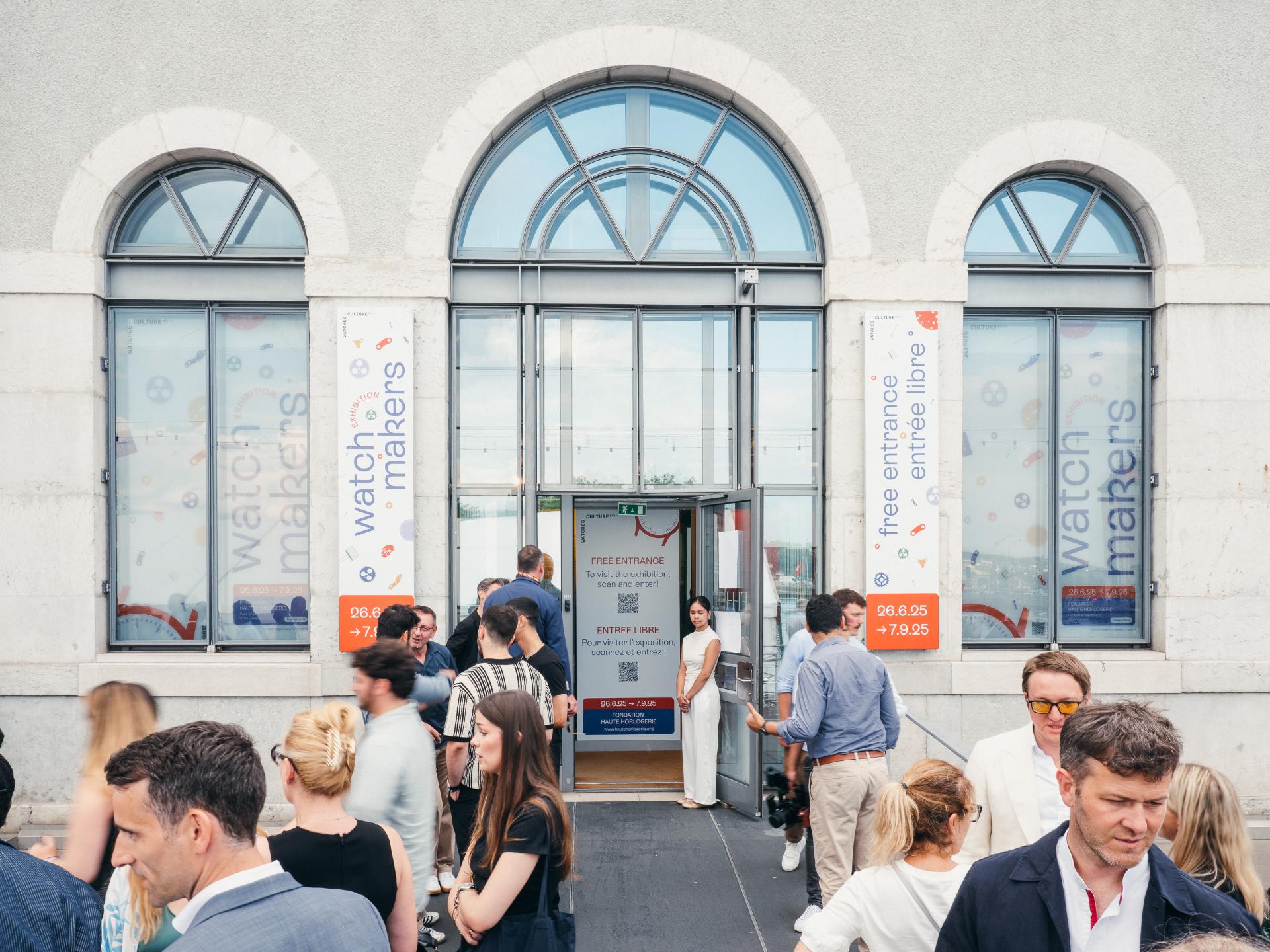
A mechanical watch is the sum of cutting-edge technologies and craftsmanship, centuries of invention and continued innovation, art and technique. The Fondation de la Haute Horlogerie goes inside these mechanical marvels with an exhibition that reveals the secrets of these small yet infinitely remarkable machines.

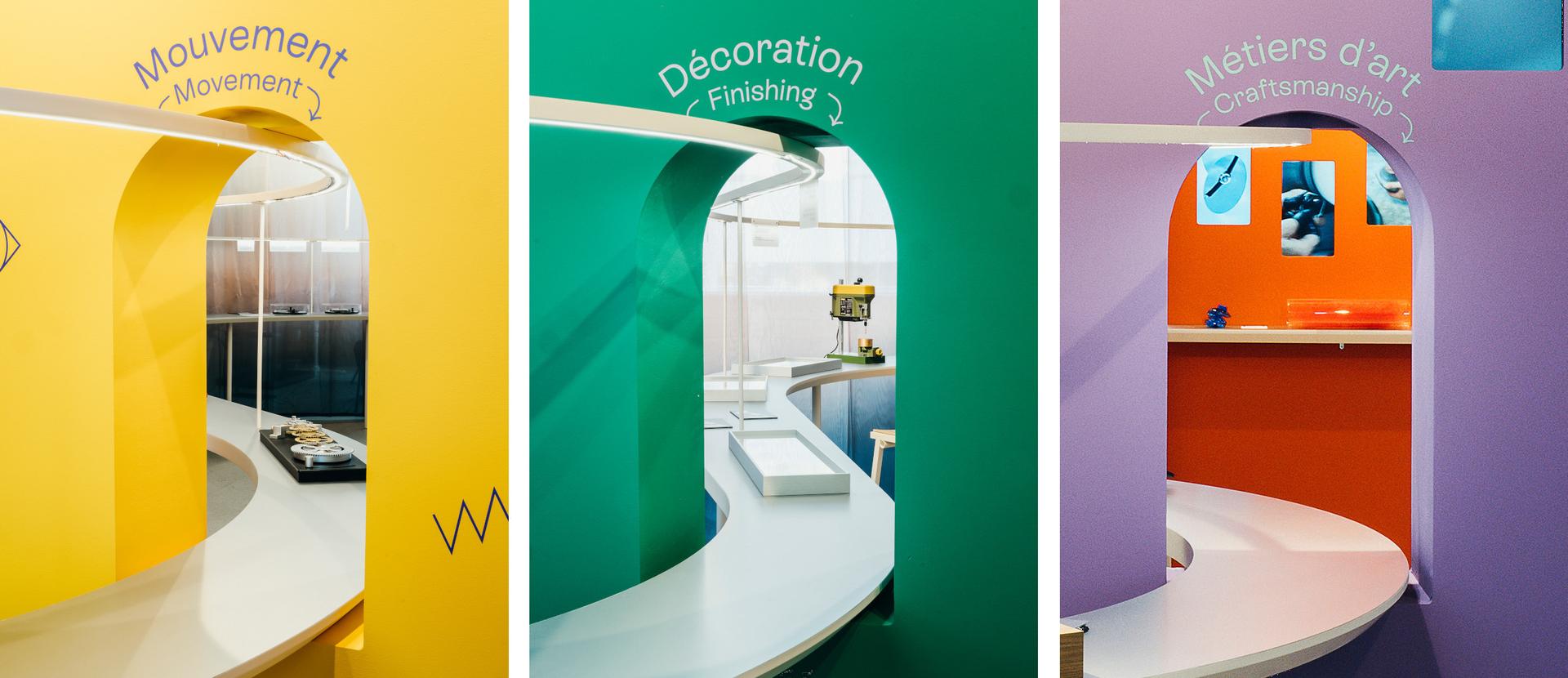
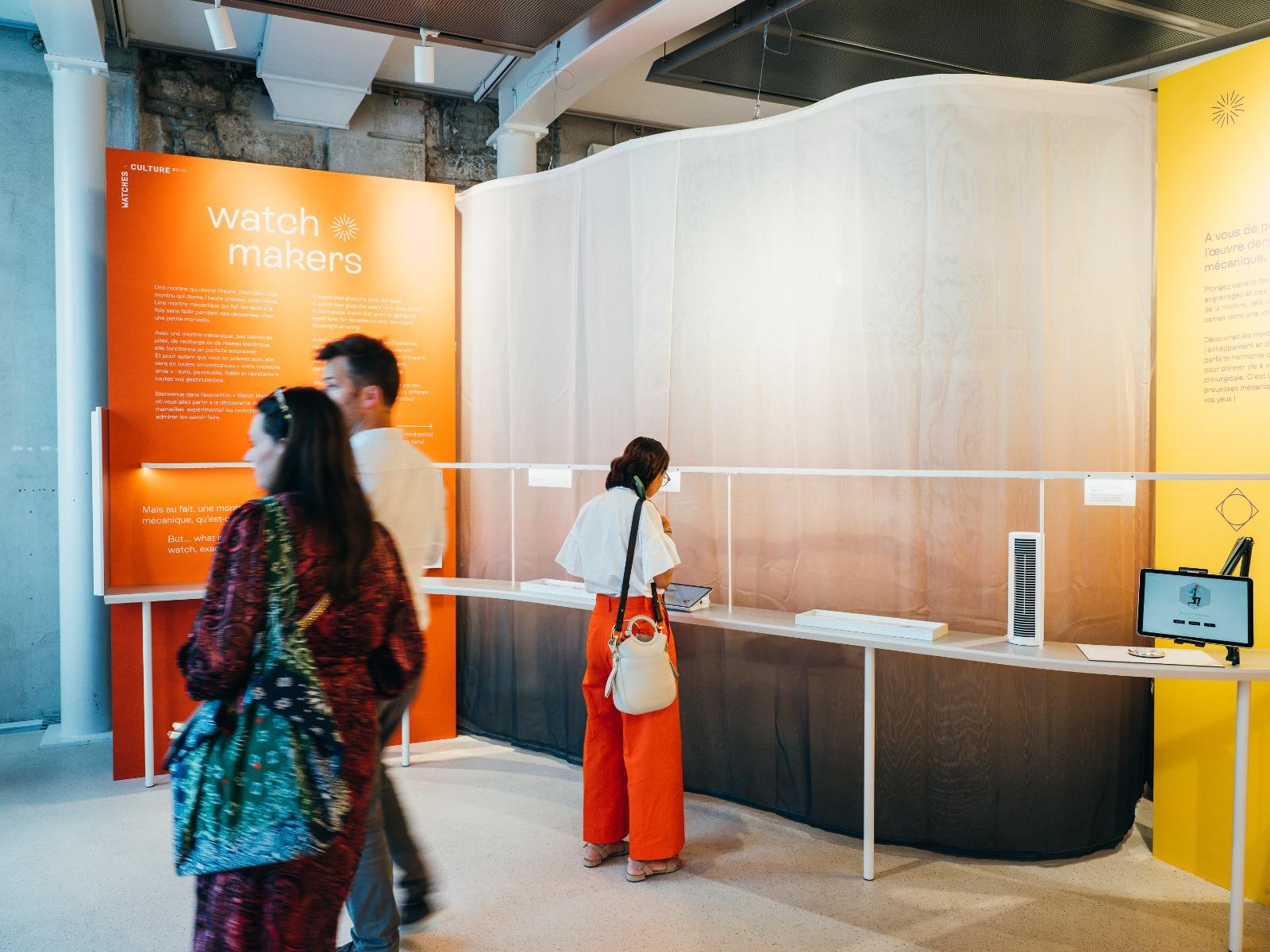
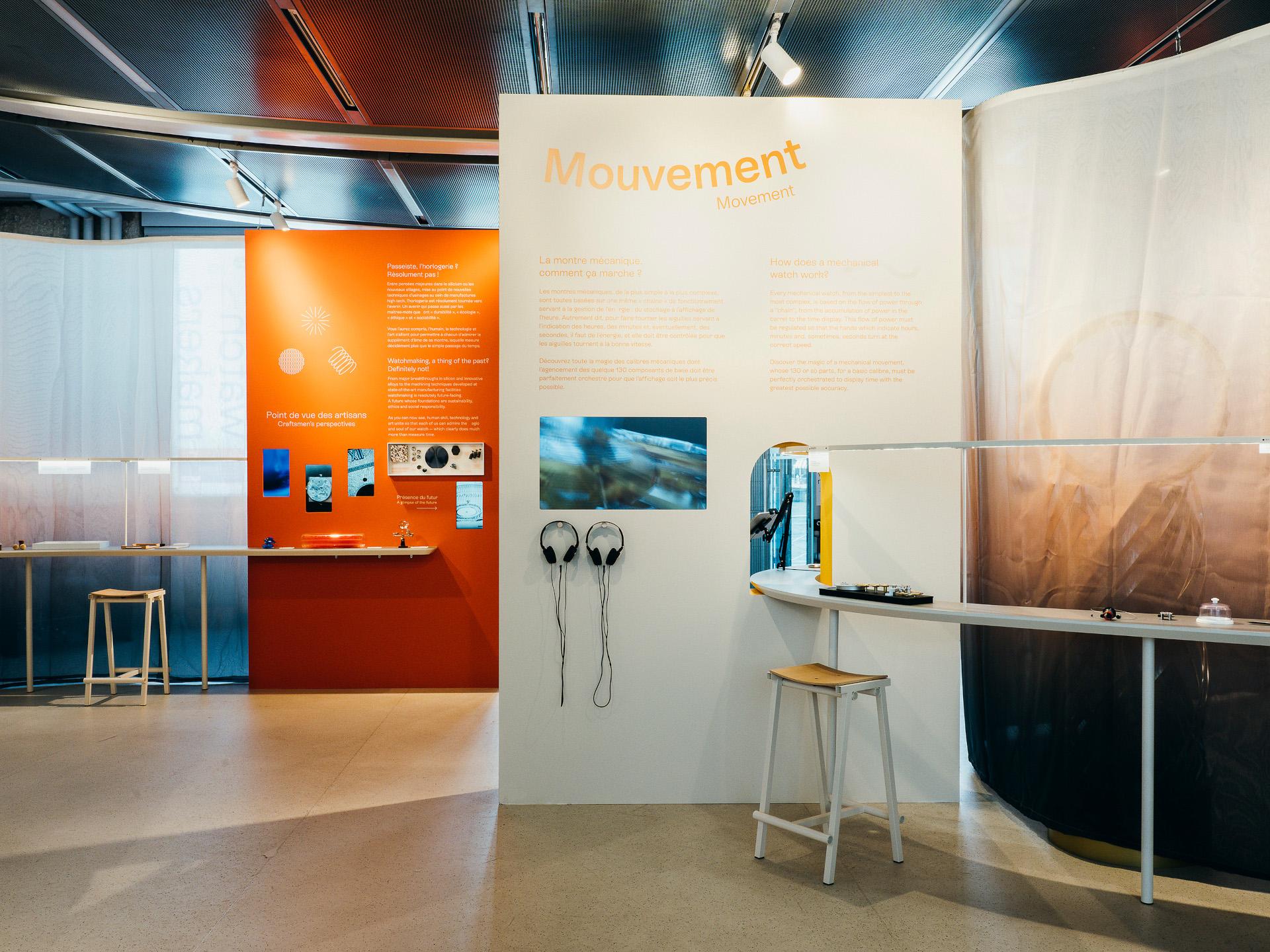
Fascinating and intriguing, a mechanical watch is a complex object graced by age-old crafts. It is heir to skills acquired over centuries at the same time as it is hungry for innovation. It is built for daily use and designed for lifetimes to come. Curated by the Fondation Haute Horlogerie, “Watch Makers” provides the keys to understanding the complex, seemingly contradictory object that is a mechanical watch. The exhibition’s informative, entertaining and hands-on scenography takes visitors through the different aspects of a mechanical watch, with opportunities to try out techniques and discover the forty-some specialised professions behind a traditional mechanical timepiece.
Watch Makers Exhibition

Watch Makers Exhibition FHH (c)Jordi Ruiz Cirera

The tick-tock of a mechanical watch

But what is a mechanical watch, exactly? First stop is to understand the basic principles of a movement with its 130-some parts, and the terminology that goes with them. Now, knowing what a barrel or an escape wheel look like, the next step is to understand how these components fit together in a precise order to form a chain that stores, transmits, distributes and regulates power, so that the watch’s hands turn at exactly the right speed.
 

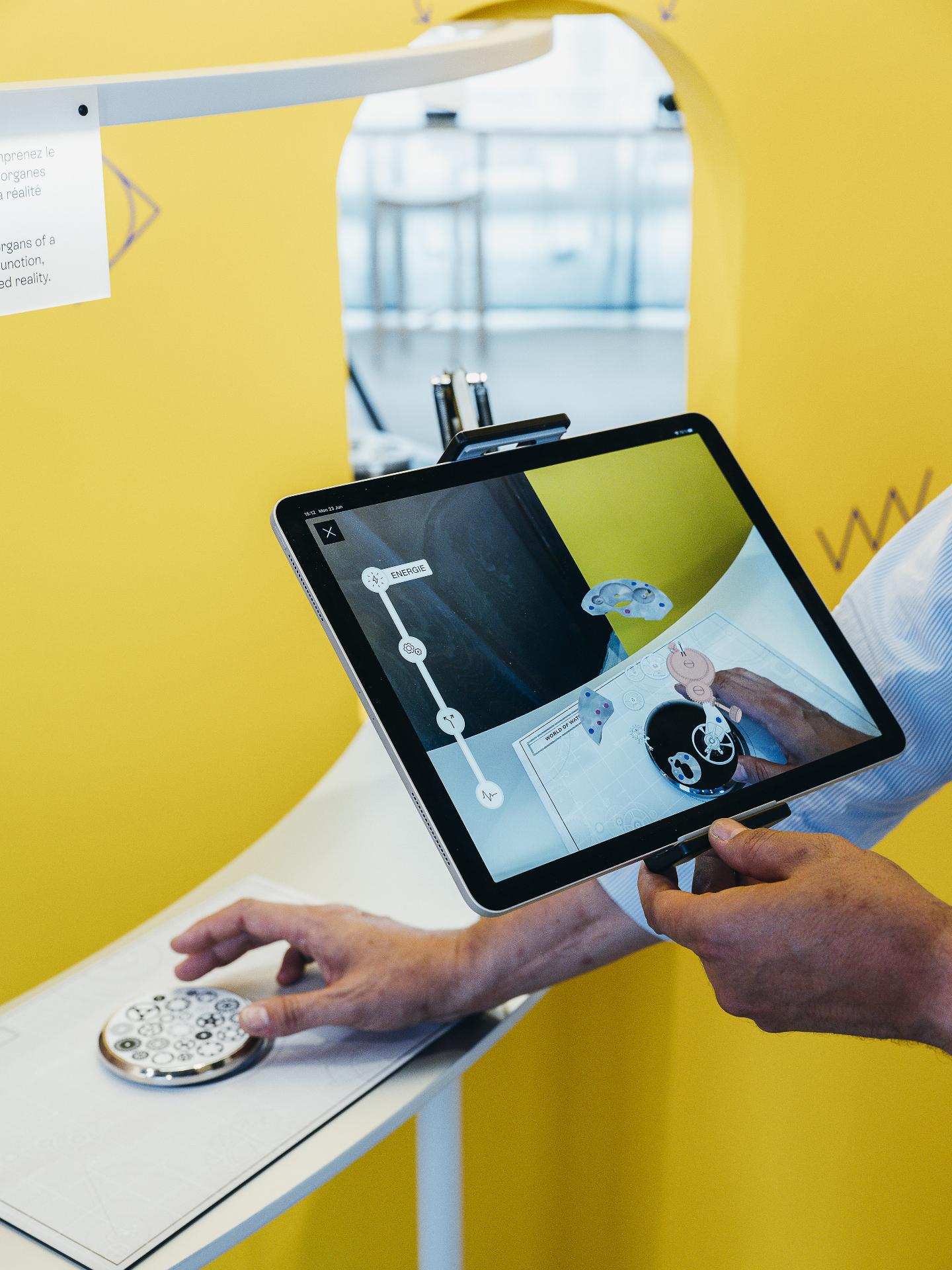
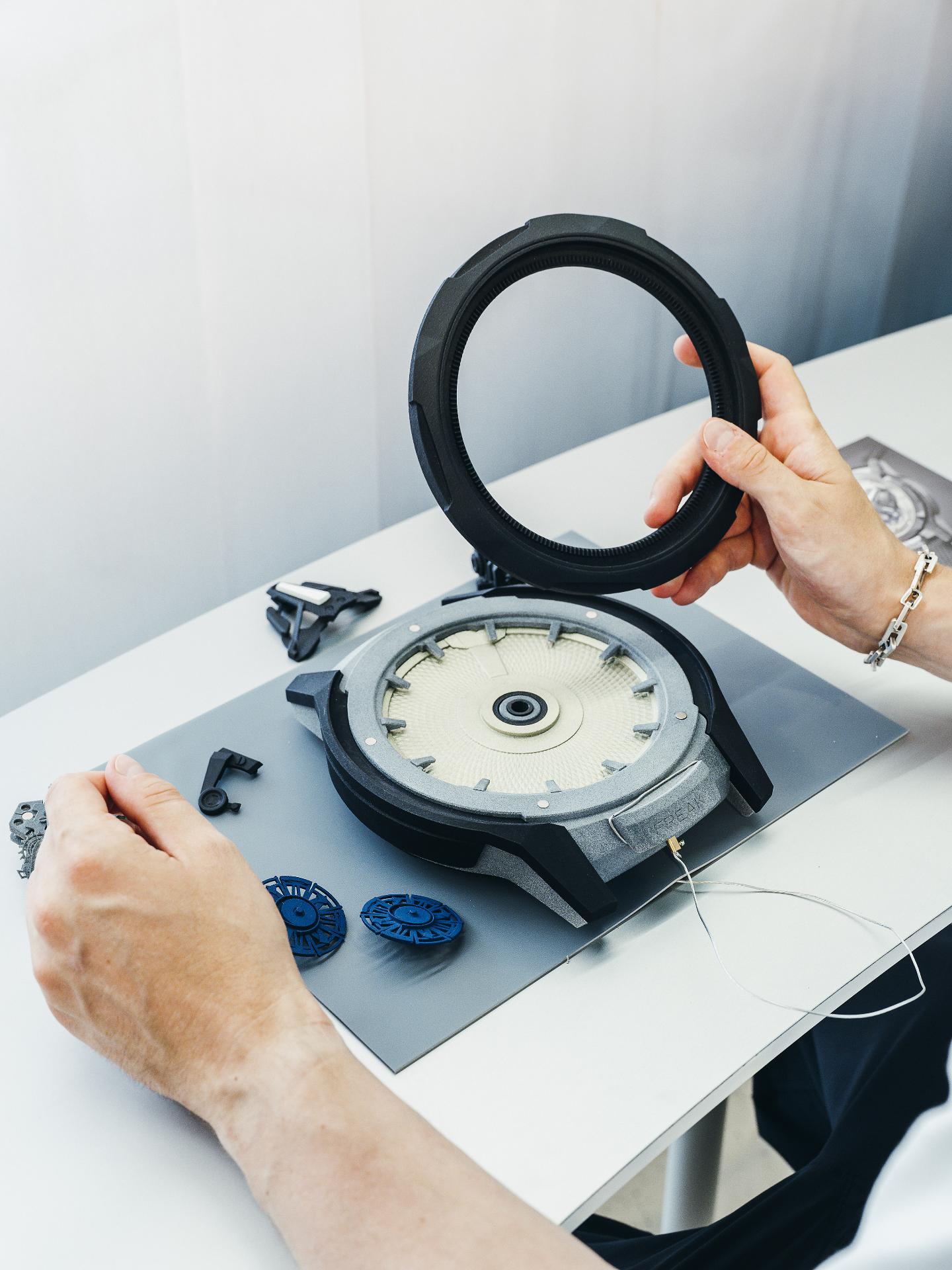
Having mastered the principle of power supplied by a spring, which is wound either manually, by hand, or automatically, by a rotor, the next essential stage is to differentiate between a mechanical watch and a quartz watch, which is battery-powered and regulated by a microprocessor. This first section of the exhibition is designed as an introduction to these basic concepts, helped by virtual reality and with opportunities to put knowledge to the test by arranging components in the correct order or by matching the right screws with the right holes. The whole point is, of course, to accurately measure time by precisely adjusting the movement, as visitors discover, close-up.
Techniques and aesthetic

From the basic movement to a world of complications: the name given to any function in addition to displays of the hours, minutes and seconds. These complex mechanisms, assembled from several hundred parts, measure and record fractions of a second, chart the path of the moon and the stars across the sky, keep track of the Gregorian calendar (and its whims), tell the time as musical notes or in three dimensions. Movements such as these take months, often years for the most complex, to develop. Models and mechanical puzzles bring to life the ingenious solutions behind these intricate mechanical constructions.
 

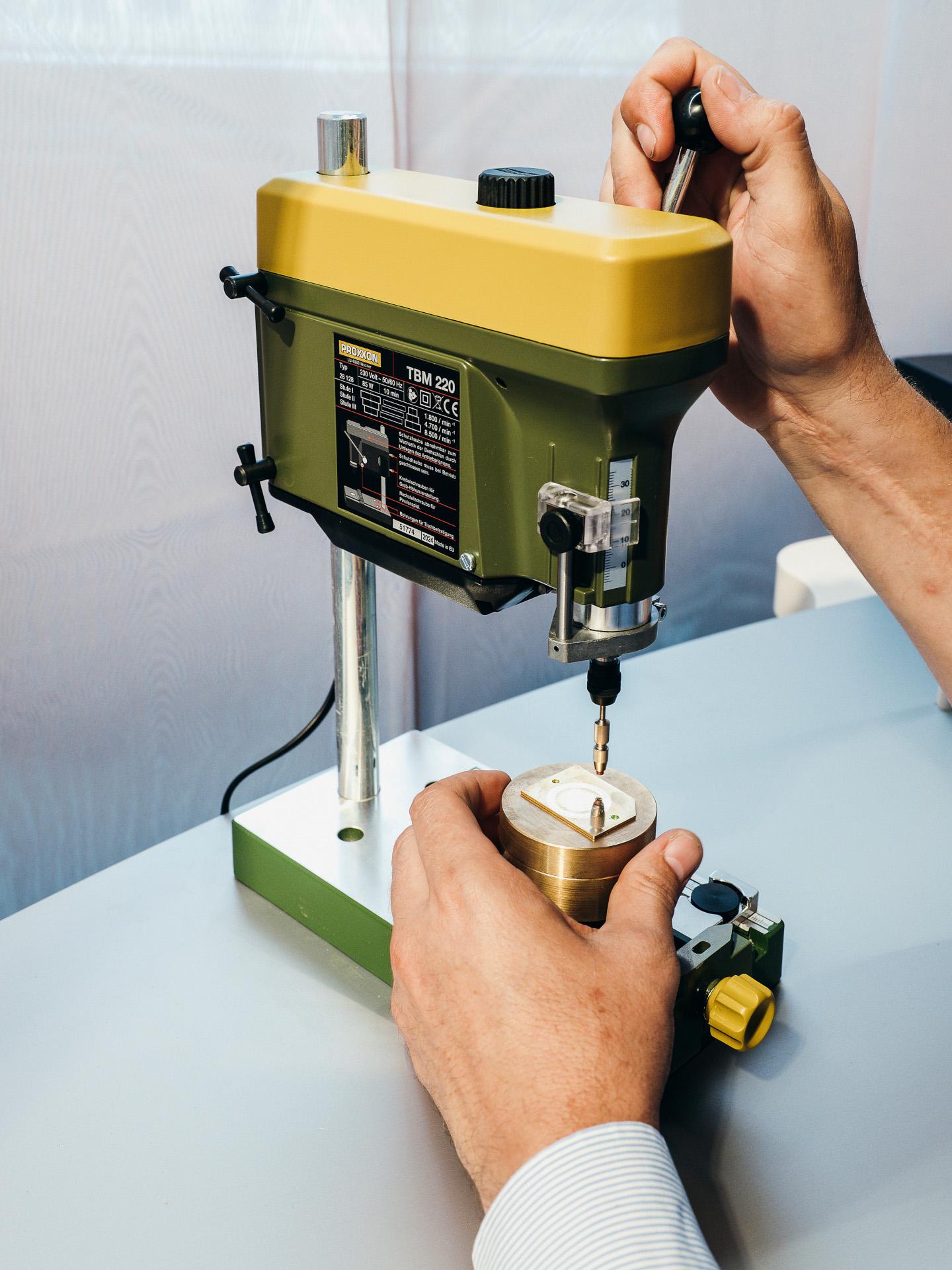
Absolute precision is at the heart of every mechanical movement. But not just. For a watch mechanism to properly function and satisfy clearly defined aesthetic criteria, its components must be “finished” — not least to eliminate the tiny imperfections left by CNC machining. This section introduces the fascinating techniques employed when finishing a watch movement, the vast majority of which are still executed by hand and demand long hours of patient and meticulous work. Visitors familiarise themselves with the vast range of techniques that serve to obtain near perfect surfaces, and the equally wide variety of tools they employ.

Watch Makers Exhibition

Watch Makers exhibition (c)Jordi Ruiz Cirera

All for one

Finishing is not the final stage before a mechanical watch is assembled, as many pass through the hands of experts in the métiers d’art. Interest in these decorative techniques has grown considerably over the past two decades. Gem-setters, enamellers, marqueteurs, guillocheurs and engravers put their talent to work on dials, as well as cases. Visitors can admire the skills of these craftsmen and women at the bench, while numerous videos explore in detail these techniques, which take years of study and experience to acquire. However, while mechanical watchmaking draws extensively on these age-old methods, it is by no means rooted in the past. The final section of the exhibition reveals the full dimension of these architectures of time by highlighting the essential role of innovation in a future-facing industry, as it develops new and sustainable materials, cutting-edge machining technologies and novel mechanisms.

Watch Makers Exhibition

Watch Makers Exhibition


The Fondation Haute Horlogerie curated “Watch Makers” with the support and contributions of its partners, who supplied images, interactive exhibits and models, and sent members of their staff skilled in the métiers d’art. It is a reminder that mechanical watchmaking is a fascinating mosaic of very different, highly specific professions and that each of these professions requires specialist knowledge and a practiced hand. The watch industry has transformed the mechanical timepiece into an exceptional object. Now it is the turn of the next generation to keep this dream alive.