FHH | The Quirky Backstory Of The Original Piaget Polo

QUIRKY BACKSTORY. QUIRKY BACKSTORY. QUIRKY BACKSTORY. QUIRKY BACKSTORY. QUIRKY BACKSTORY

Original Piaget Polo. Original Piaget Polo. Original Piaget Polo. Original Piaget Polo

16 December 2025

The Quirky Backstory Of The Original Piaget Polo

education

by @watches_and_culture

At the end of the 1970s, the codes were changing, styles were mixing, and distinctions between genders were becoming increasingly blurred. Yves G. Piaget, the fourth generation at the helm of the company and a frequent traveler to the United States, sensed the growing power of the American market and its desire for a luxury sports watch.


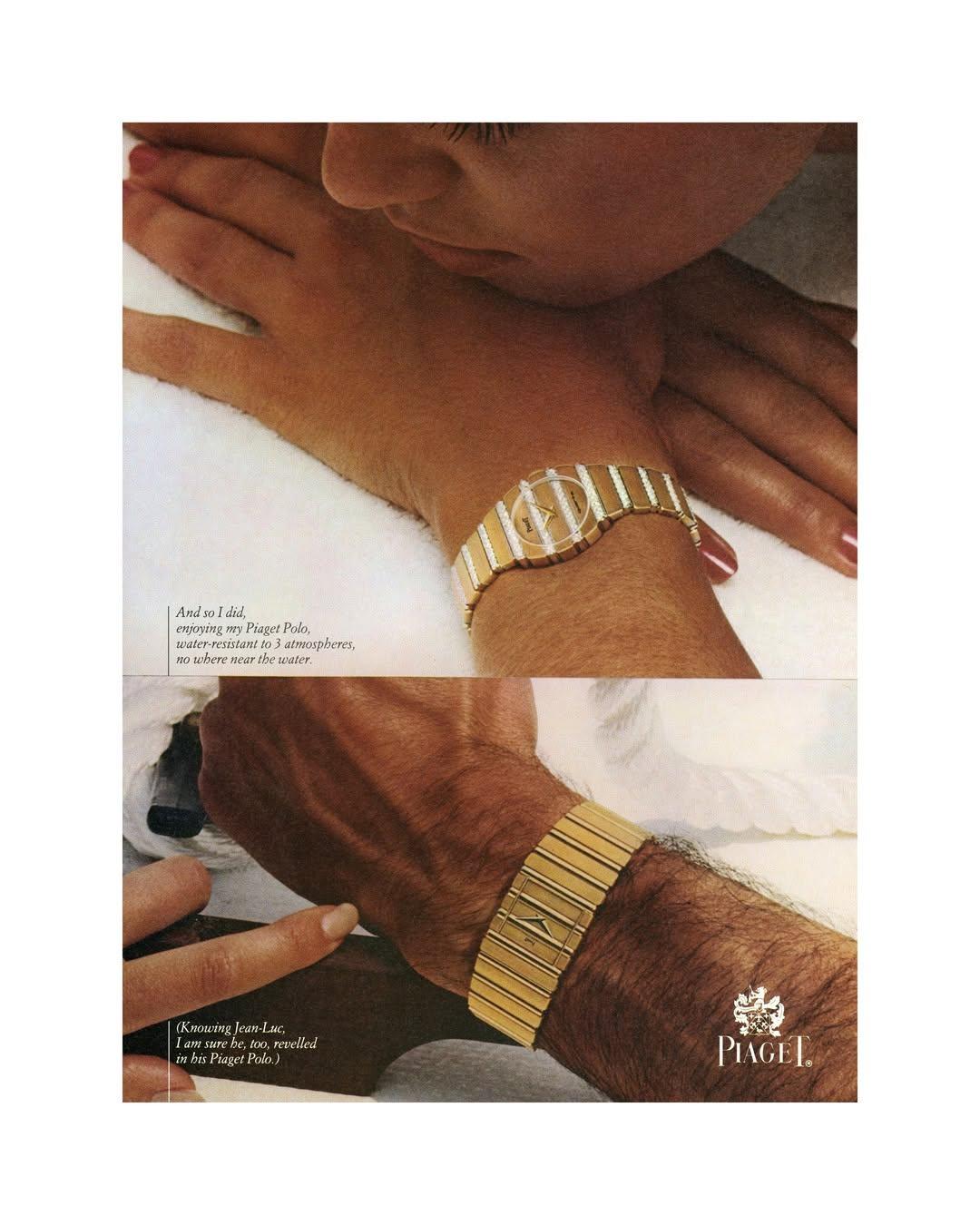
In 1979, Piaget therefore did not hesitate to propose a new vision of sporty yet casual elegance in the form of a watch described as “casual enough to be worn during the day, elegant enough to be worn at night, and with matching models for men and women.”
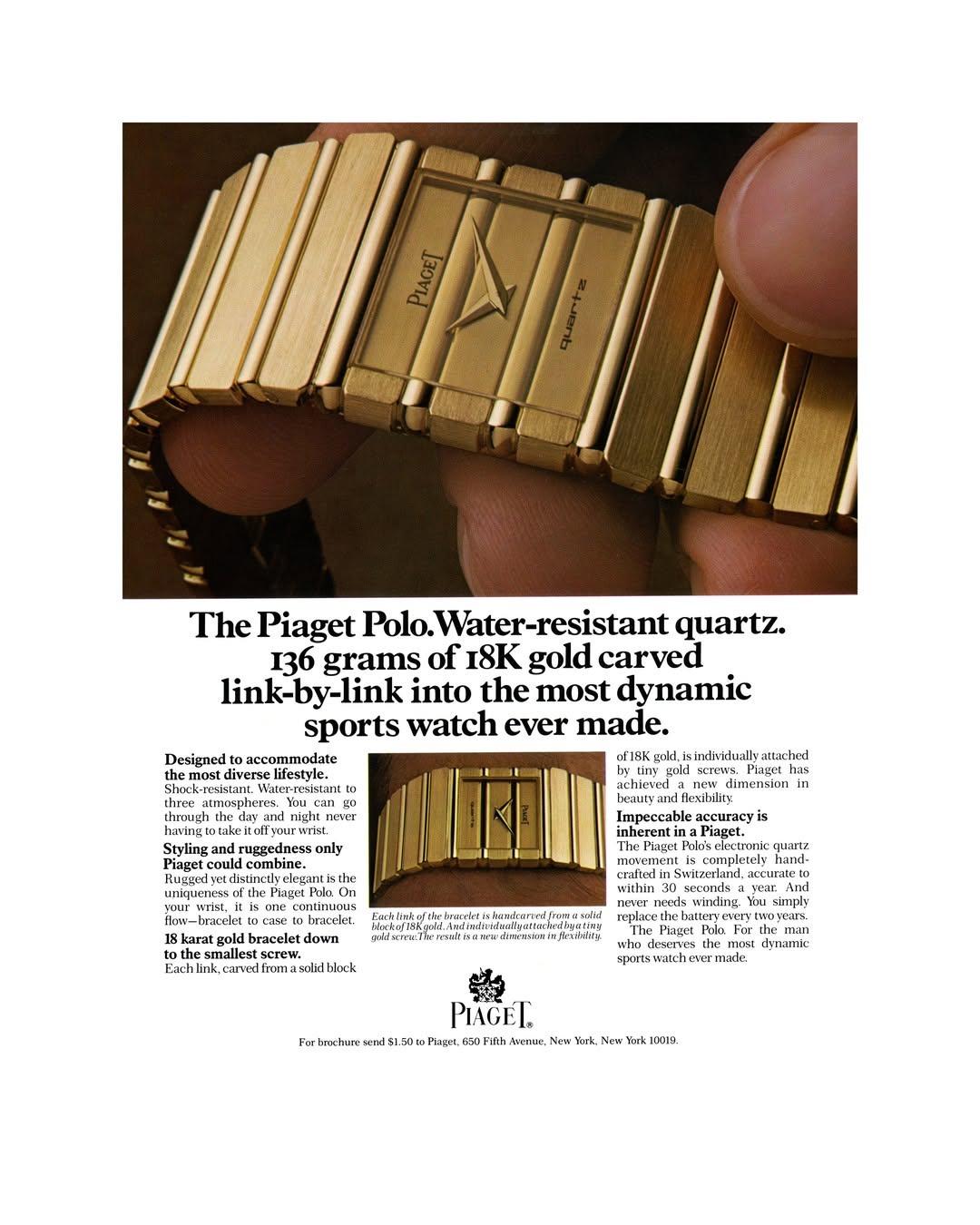
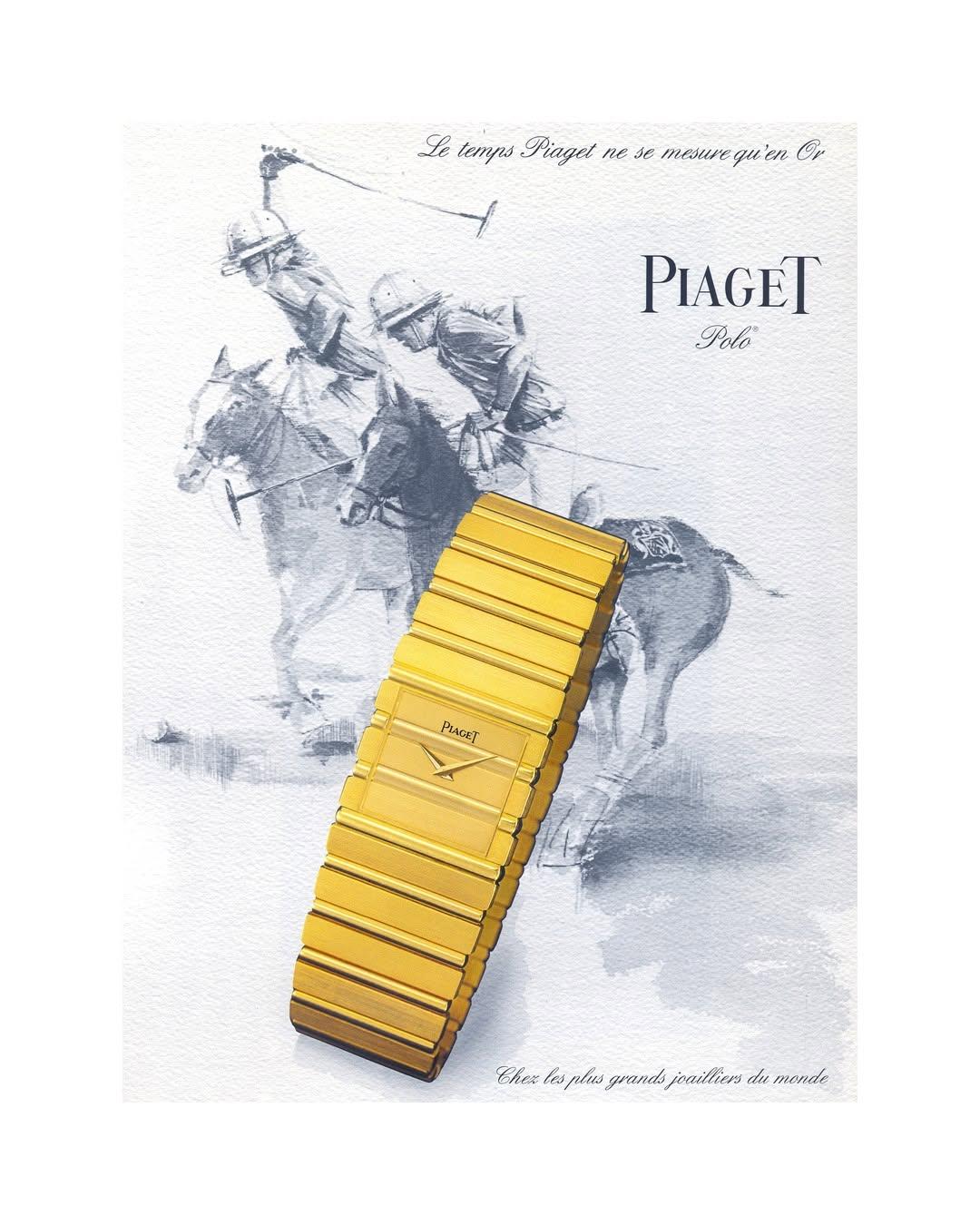
 

The Piaget Polo watch was born from the brand’s dual expertise in watchmaking and jewelry.


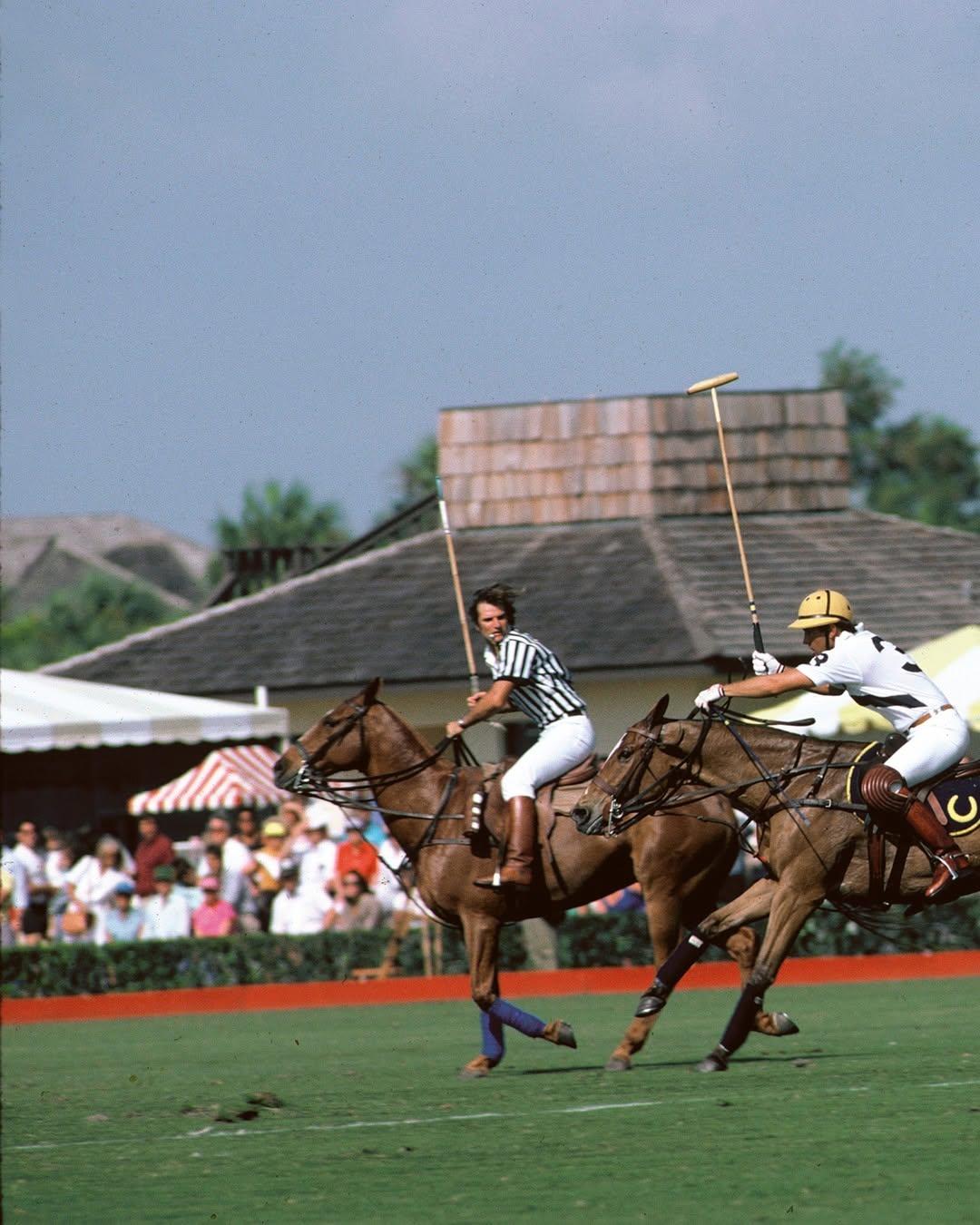
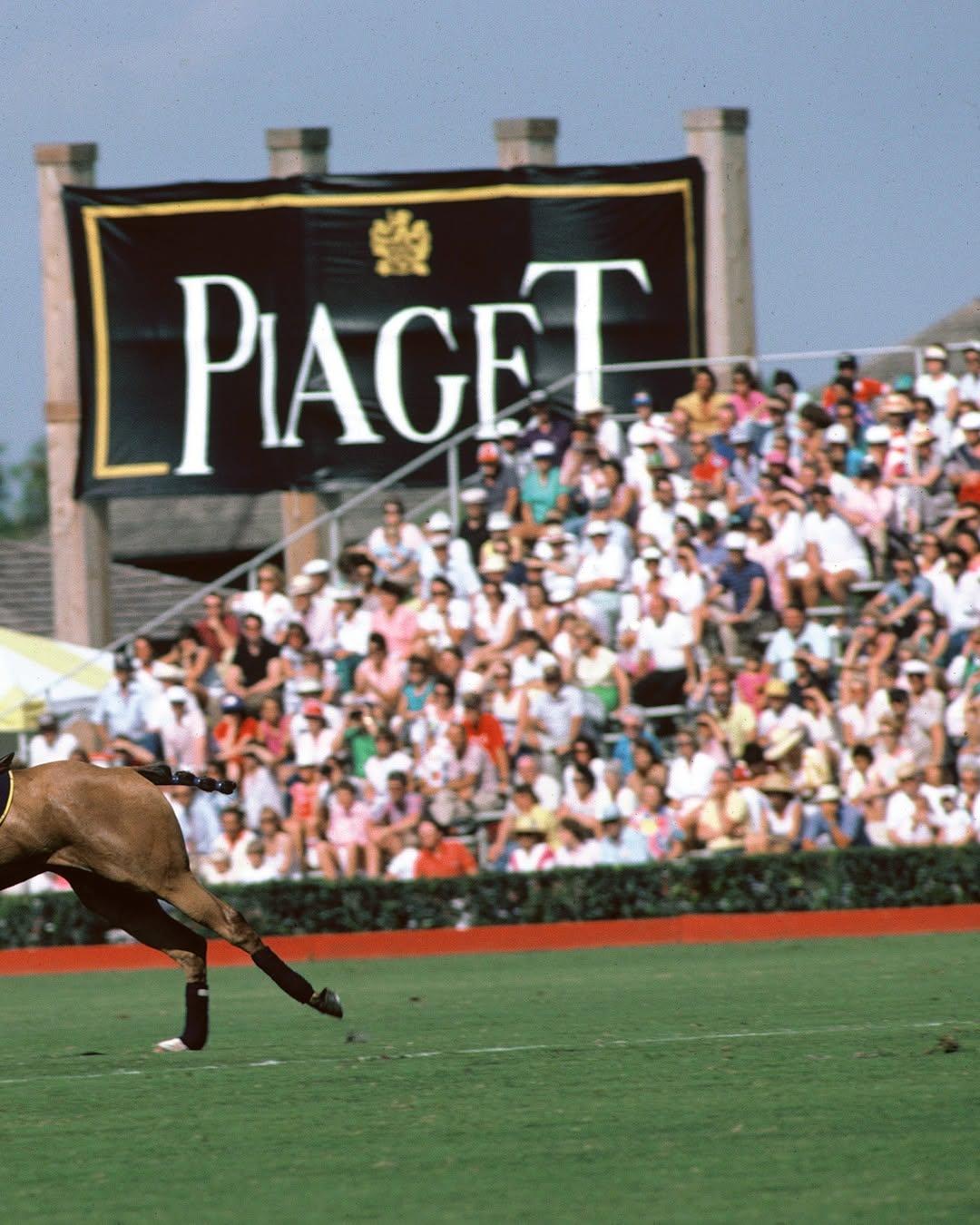
Piaget was among the first watchmakers to sponsor polo matches and to use this sport as a means of communication for its watch. The model was therefore naturally named “Polo”, becoming the first Piaget watch to bear a specific name.


It was in Palm Beach in 1983, during the Polo World Cup, that the watch entered the jet set thanks to the famous James Bond girl Ursula Andress, who became its godmother.


Many of the stars present wore a Piaget Polo, including Brooke Shields, Björn Borg, and Andy Warhol, who owned two. On his wrist, the Polo would become a witness to the legendary parties of Studio 54.


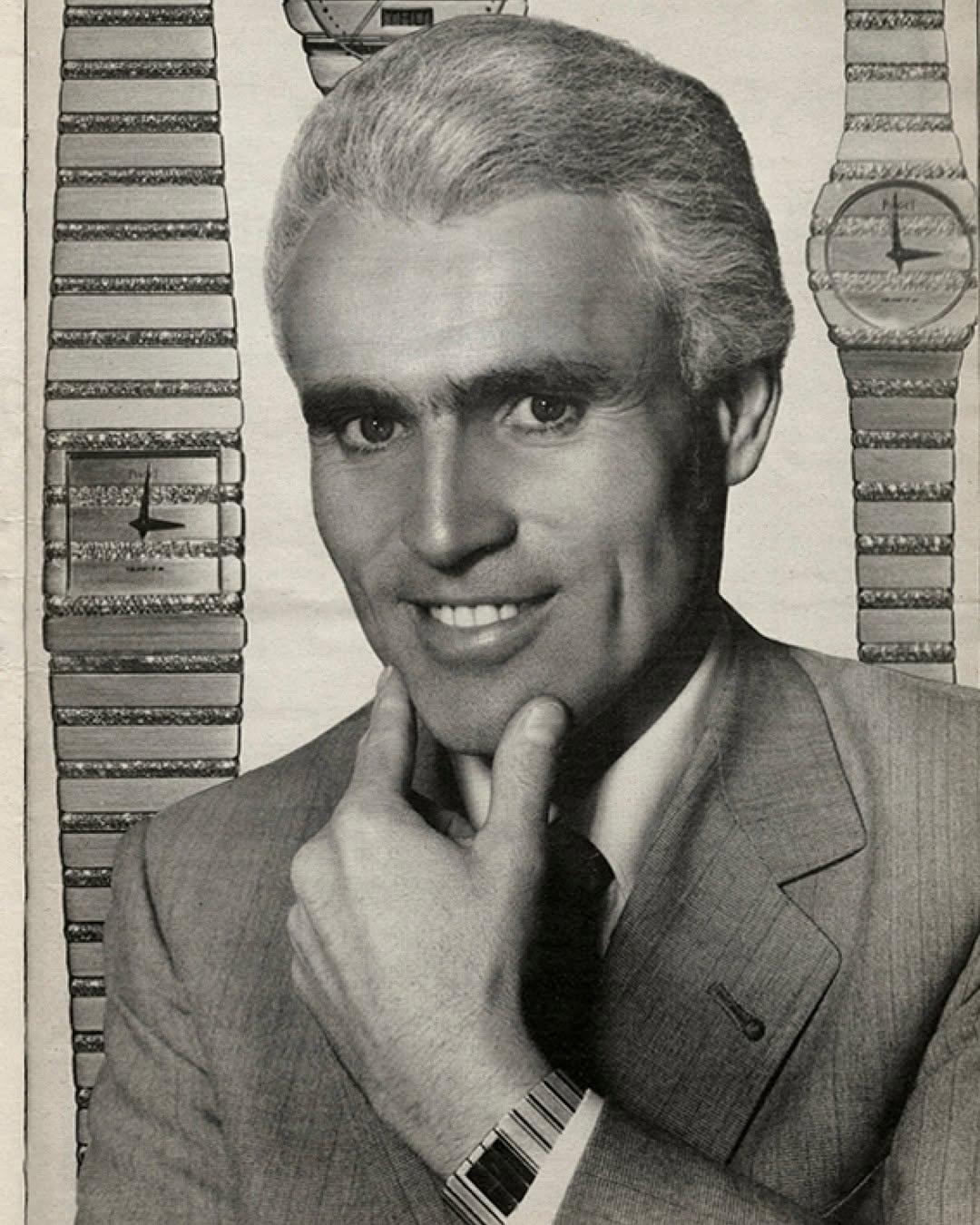
The exclusive and distinctive silhouette of the Piaget Polo was born from the pencil of Jean-Claude Gueit, who joined the Piaget design studio in 1967 and designed the model under the artistic direction of Valentin Piaget.


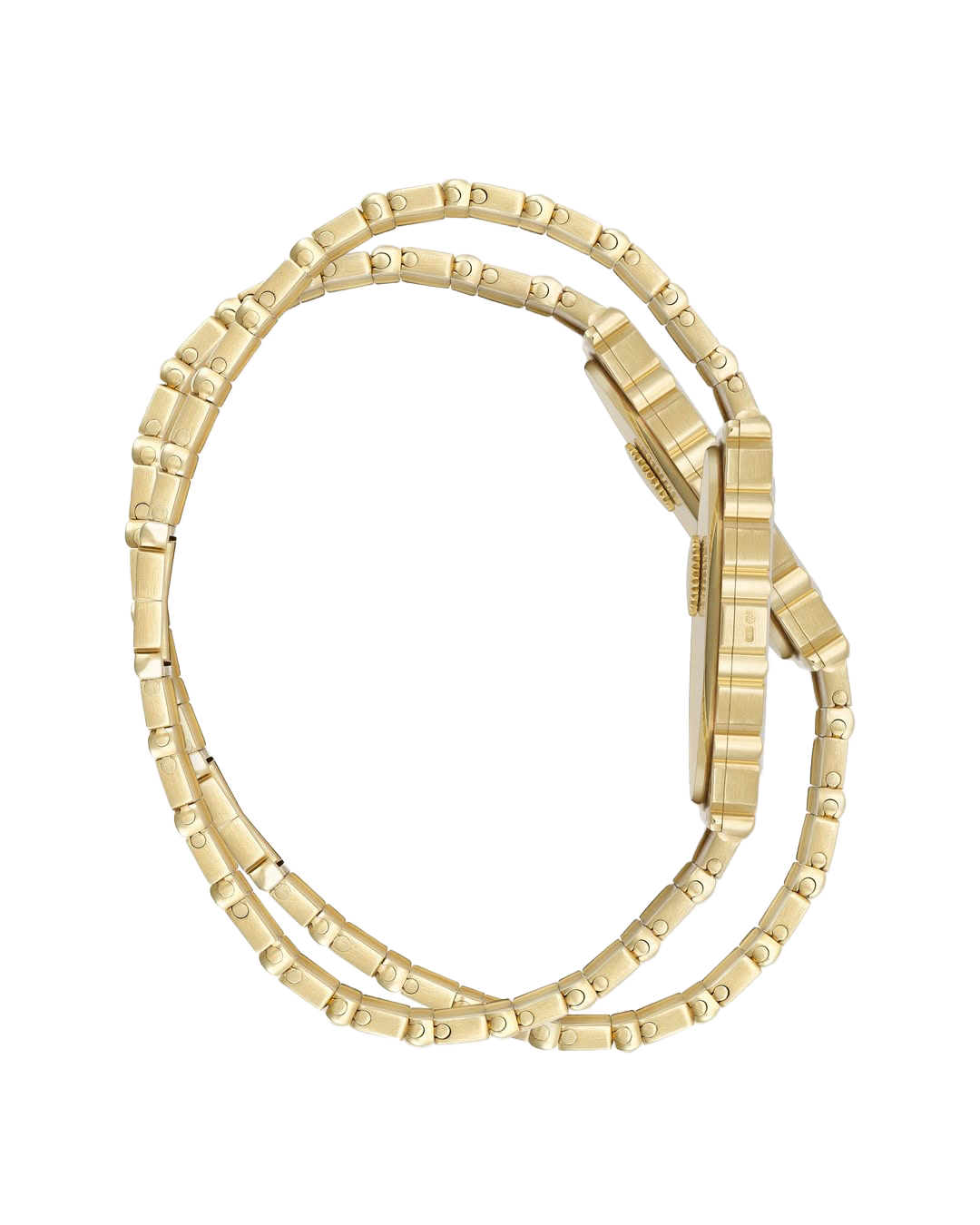
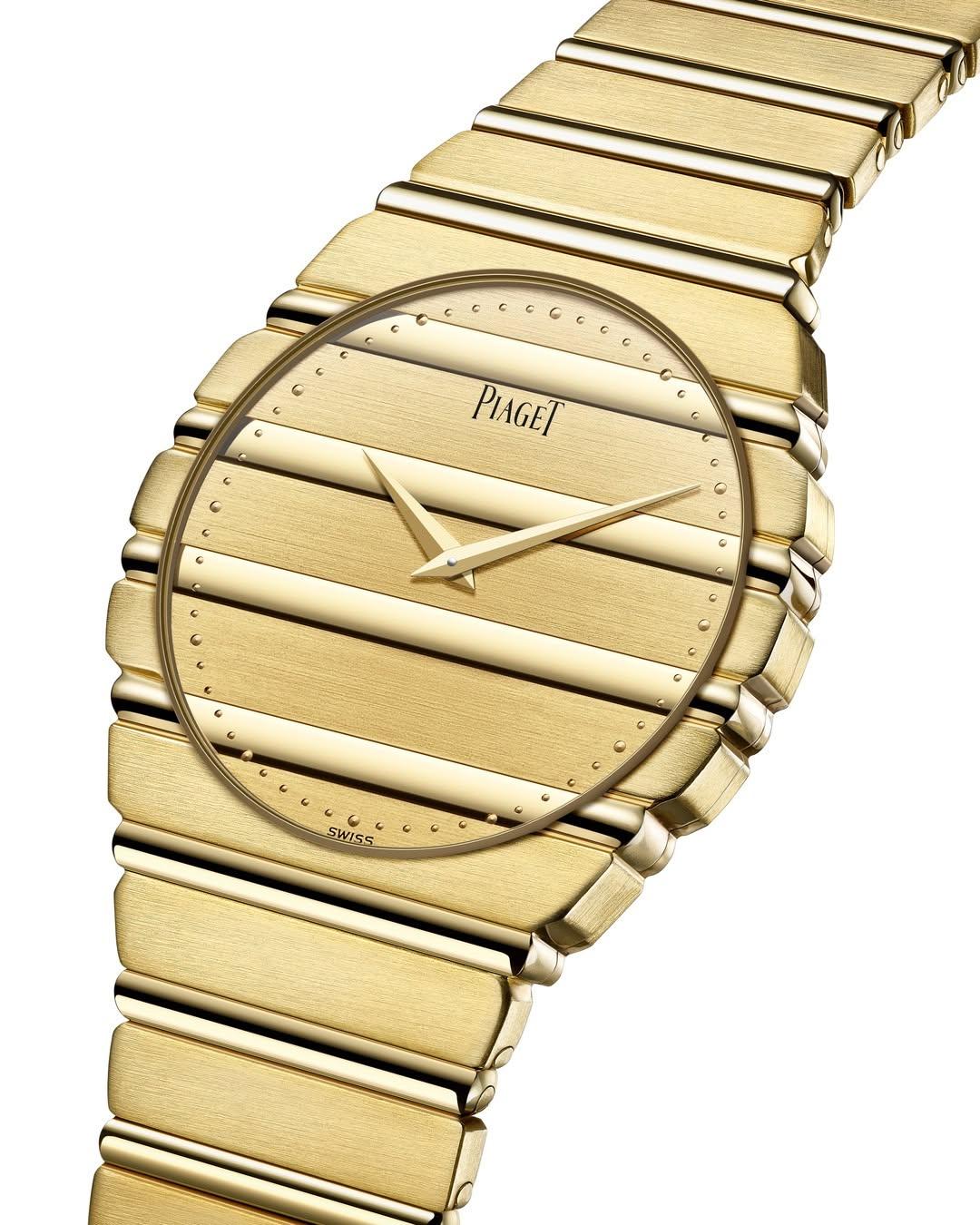
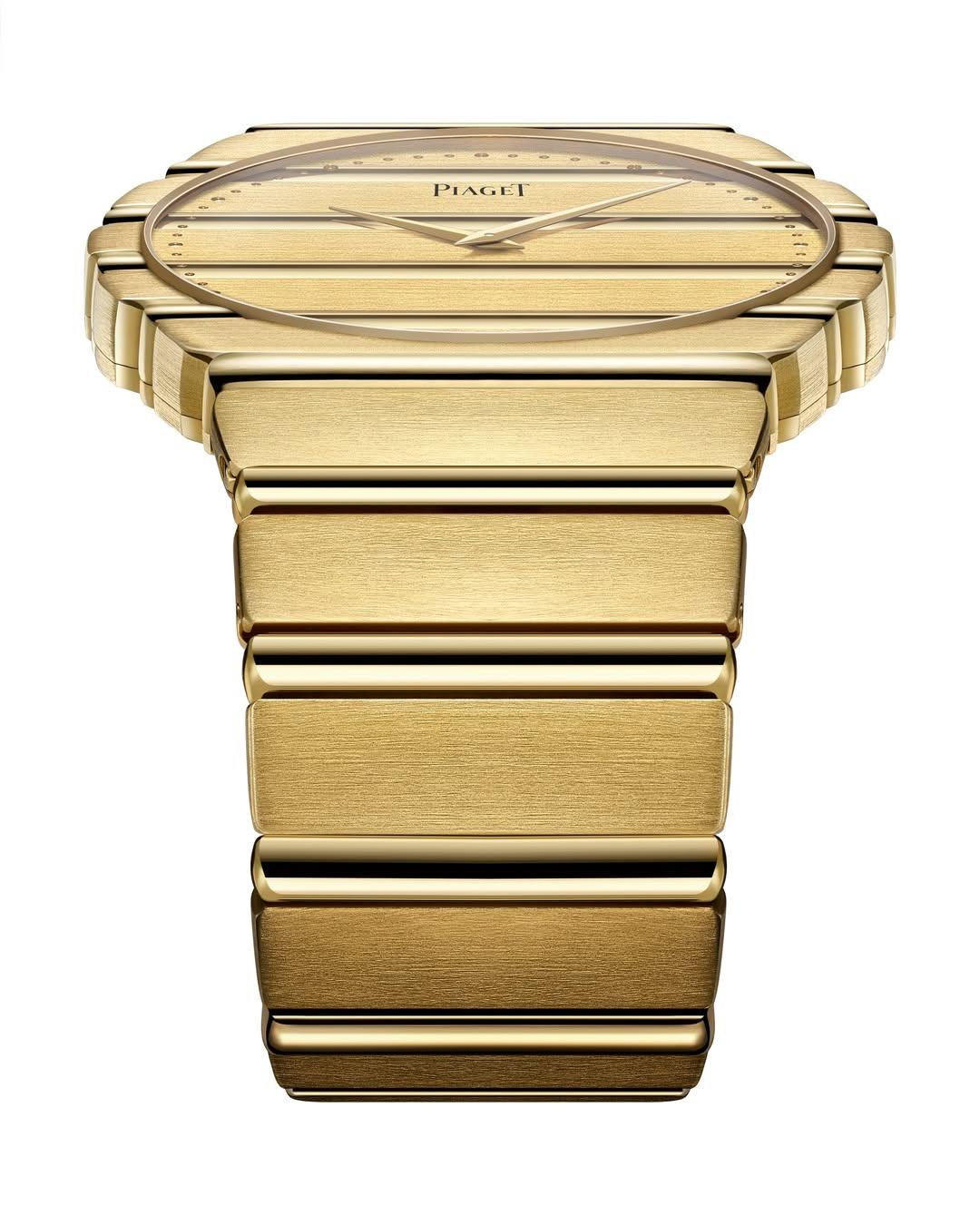
The watch clearly stood out thanks to its concept of integration taken to the extreme. The case, bracelet, and even the dial formed a perfectly harmonious whole, without the slightest break — achieving the idea of a “watch-bracelet rather than a bracelet-watch.”


Originally round or square, made exclusively of gold and often set with diamonds, the Piaget Polo was available for both men and women and has since been the subject of countless interpretations.