Male, female: is this fundamental genetic difference becoming less relevant in the watch world? The question merits reflection. While a century of tradition in jewellery watches cannot be erased with a stroke of the pen, the boundary between “his” and “hers” is becoming increasingly indistinct. One of the most streamed artists on Spotify, Abel Makkonen Tesfaye, aka The Weeknd, walked the red carpet at the 2023 Cannes Film Festival wearing a sumptuous Limelight Gala Haute Joaillerie, an eminently feminine timepiece, symbolic of sophistication à la Piaget. When the Puerto Rican rapper Bad Bunny (real name Benito Antonio Martínez Ocasio) makes a public appearance, he may well be wearing what would normally be categorised as a woman’s watch: a Patek Philippe Golden Ellipse, a Ballon Bleu de Cartier or a vintage Audemars Piguet, all dripping with diamonds. Actor Thimothée Chalamet has been seen sporting a mini Panthère de Cartier while fellow thespian Jeremy Strong has been spotted with an RM 07-04, described by Richard Mille as its first sports watch for women.

Time’s up for gender-based watches?. Time’s up for gender-based watches?. Time’s up for gender-based watches?. Time’s up for gender-based watches?. Time’s up for gender-based watches?
Time’s up for gender-based watches?. Time’s up for gender-based watches?. Time’s up for gender-based watches?. Time’s up for gender-based watches?
Time’s up for gender-based watches?
As brands return to the classical canon, and signature models are released with multiple size, colour, dial and strap options, the distinction between men’s and women’s watches becomes increasingly blurred.
Size matters
Should we still be differentiating between models with a manly appearance and others that display a delicate femininity? Following fashion’s example, a growing cohort of watch brands are promoting their products as neither masculine nor feminine; their gender is that of the person who wears them. Accordingly, watches that would ordinarily be labelled for men are adopting sparkling liveries and mother-of-pearl dials, such as the Cosmograph Daytona that Rolex presented at Watches and Wonders Geneva in 2024. The brand with the coronet made no indication as to whether the 40mm watch with diamond bezel was for Monsieur or Madame, declaring simply that “through its name and functions, the Cosmograph Daytona is forever linked to the world of motor sport and, 60 years after its launch, continues to boast unparalleled status among sport chronographs.” Ladies take note!
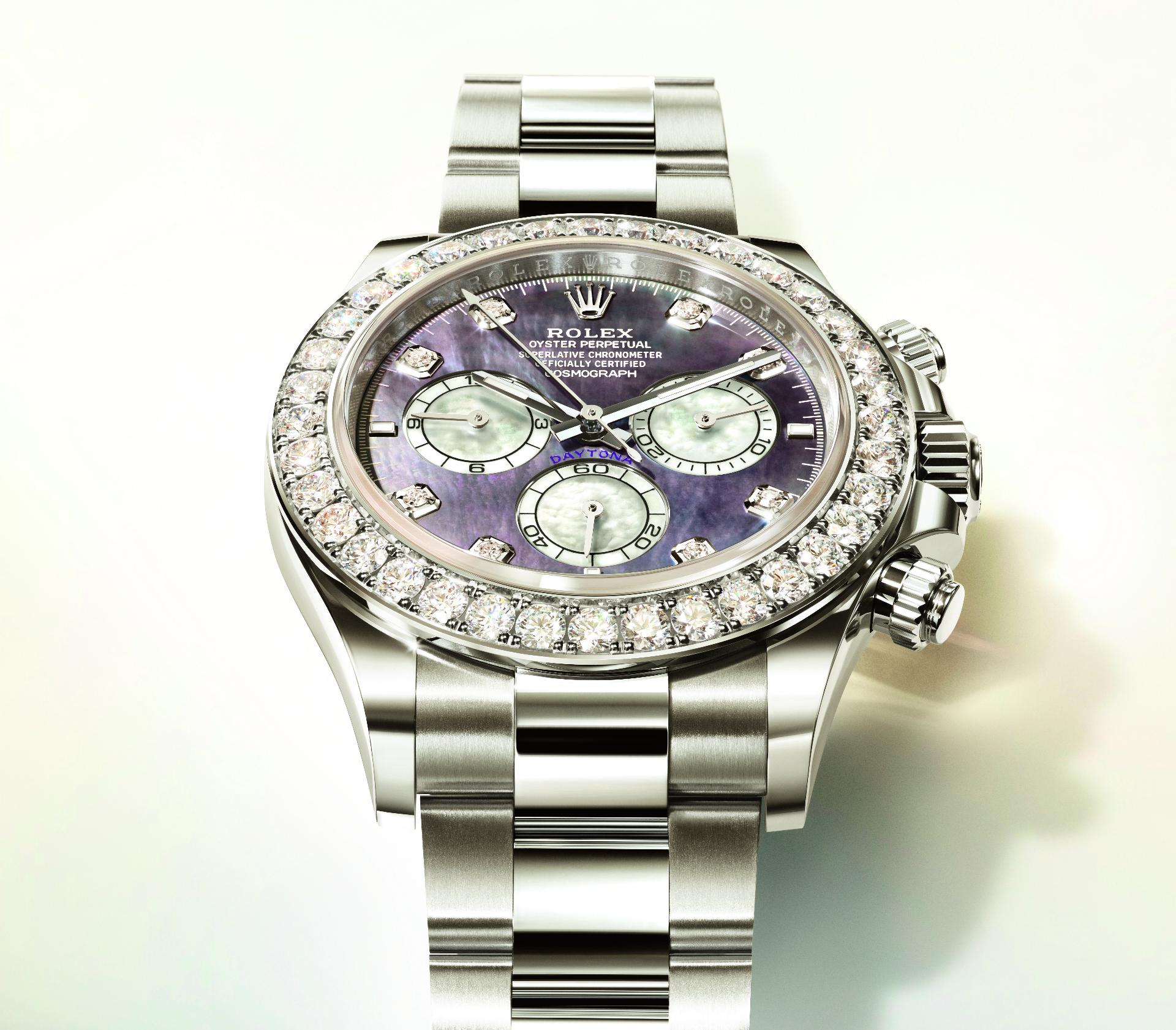
Rolex Oyster Perpetual Cosmograph Daytona
With all this gender blending, the question of a watch’s diameter and, by extension, size on the wrist is significant. The return to a classical canon has produced watches whose dimensions are equally suited to men and women. The age of the “pizza watch” with an extra topping of testosterone is well and truly over, as brands remember that a mid-century men’s watch measured between 33mm and 38mm at most. What contemporary creations have lost in diameter, they have gained in elegance: a quality that can appeal to every gender. Giorgio Armani made its watchmaking debut, in collaboration with Parmigiani Fleurier, with the 11, a moonphase with a 39.5mm cushion case. IWC gave its Ingenieur a new lease on life in a 40mm diameter. Cartier’s Tank watch, first seen in 1917, has never appealed exclusively to one or other gender. “It’s not up to us to decide who wears which Cartier watch,” the then CEO Cyrille Vigneron declared. “Our job is to ensure that people are free to choose and that this choice is as large as possible.”
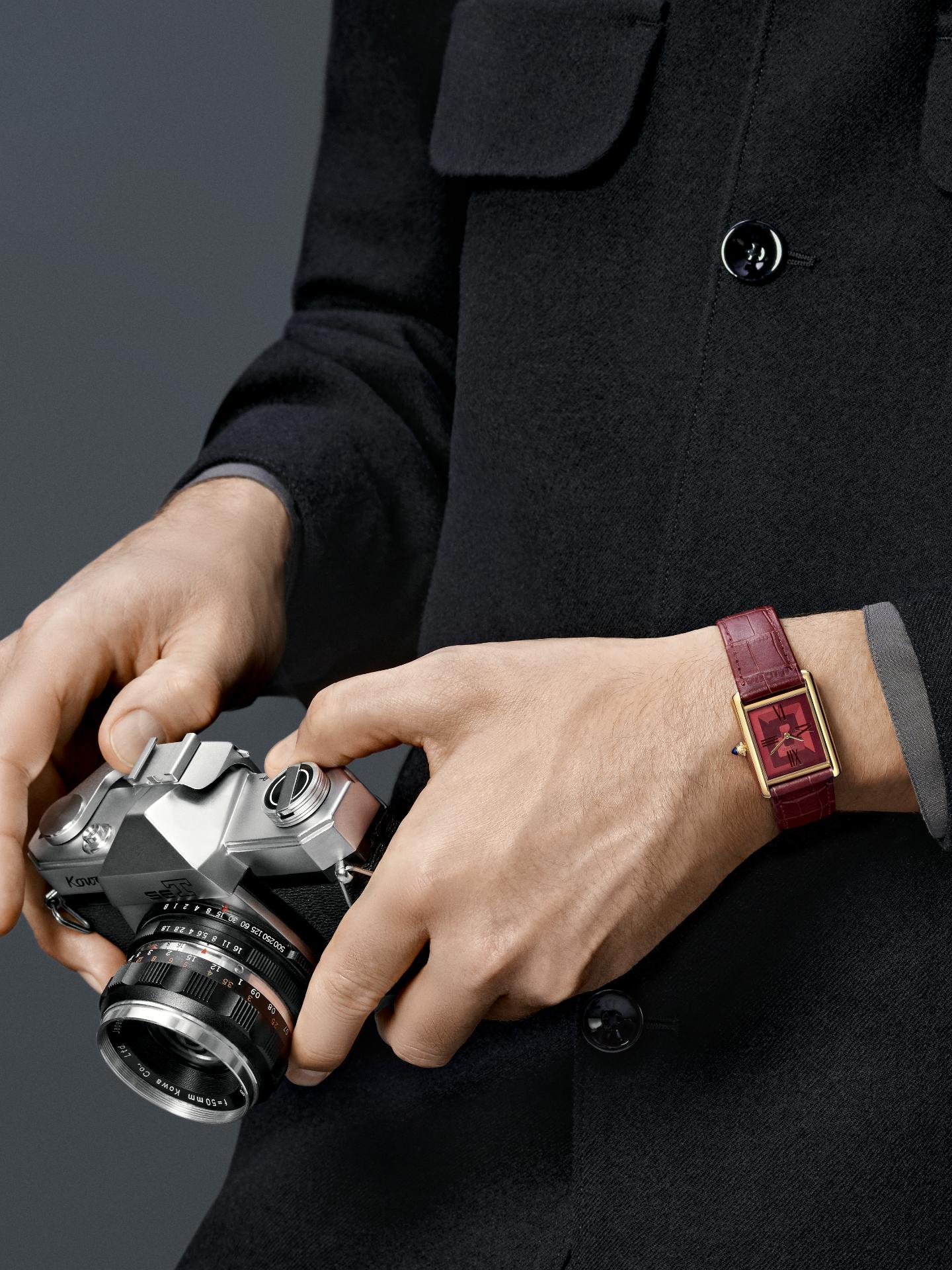
Tank Louis Cartier
Variety is the spice of life
Message received. Brands that typically waited until a model had proven its popularity before launching variations now release new designs directly in multiple iterations: a means of engaging potential customers with no distinction of gender, culture or horological knowledge. The rise of the interchangeable strap in recent years is symptomatic of brands’ efforts to provide greater versatility by offering the option to switch between integrated metal bracelets and straps in textile, rubber, various types of leather or recycled materials. What ultimately amounts to a simple way for wearers to adapt their watch to their current fancy was bound to spread to other components, movement included, and brands have embraced this principle beyond all expectations, as demonstrated by the collections on show in Geneva. Whether in terms of dial colour, strap colour, case material, complications, functions or size, models came in a range of variations, doing away with generic differences in favour of universality.
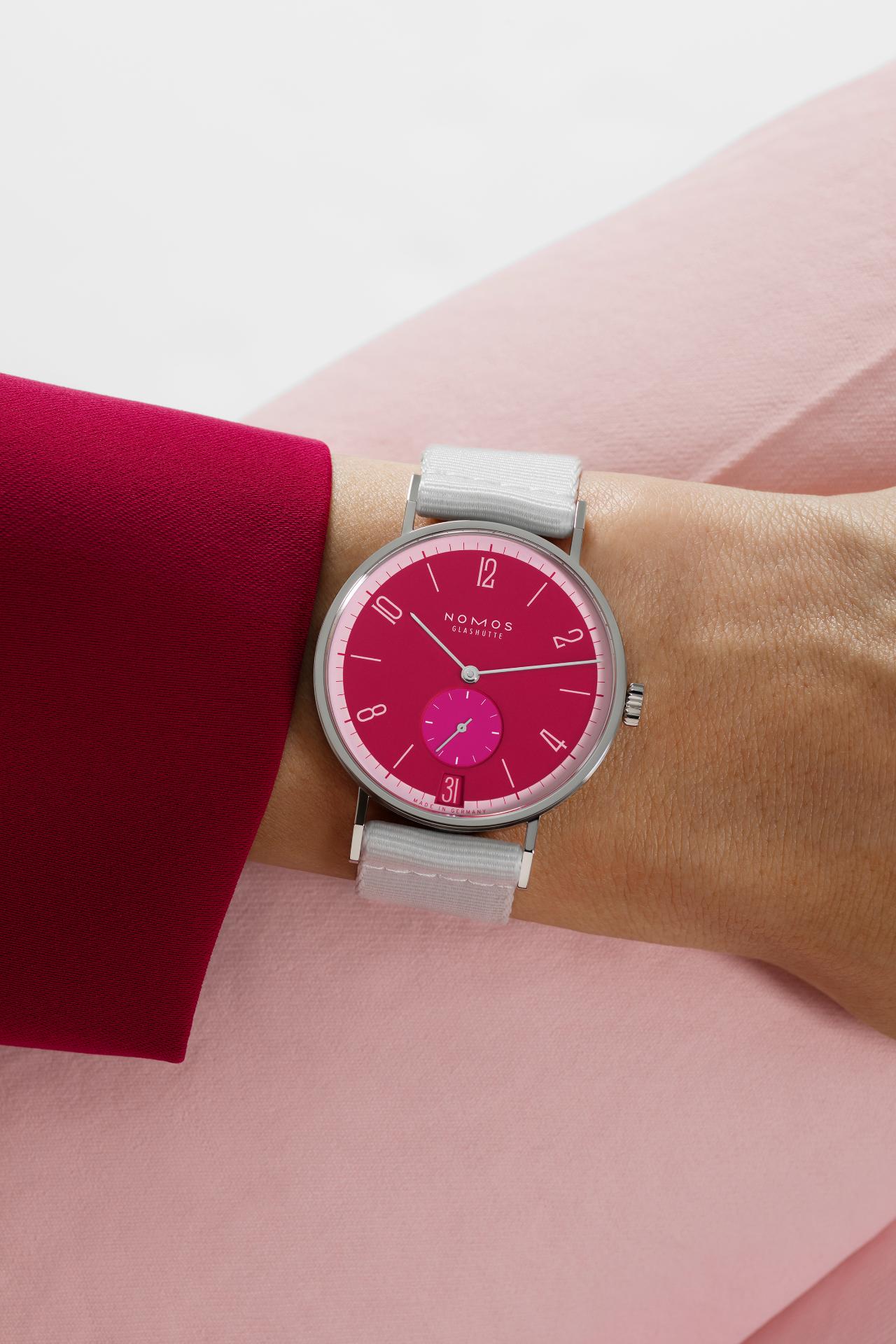
Nomos Glashütte Tangente 38 Date Chili
Where colour is concerned, look no further than the 31 colourways of the Tangente 38mm from Nomos. Or Raymond Weil whose neo-vintage Millesime, one of the winners at the 2023 Grand Prix d’Horlogerie de Genève, dropped as 11 references in various sizes, colours and materials, with functions ranging from a three-hander to a chronograph and a moonphase. A similarly diverse approach is found at Bremont. The British brand, set up in 2002 by the English brothers, has embarked on a new direction with the TerraNova, a collection of rugged watches released in three sizes, with date, chrono or power reserve, as well as an exclusive dual-time tourbillon, offering various dial colours and strap options. Arnold & Son and its new Longitude, Baume & Mercier and the Riviera, Czapeck & Cie with its Promenade, Hermès and the Cut, Hublot with its Big Bang Integrated Time Only 38mm, Montblanc’s Iced Sea, Oris and its Aquis Date: they, and many others still, have taken a pillar of the brand as the starting point for a diversified offering that is designed to please.
An invisible line
So should we still be bothering with gender demarcations? To do away with this distinction altogether would perhaps be presumptuous, when models such as Audemars Piguet’s Royal Oak Mini (23mm), the Breitling Chronomat 28mm or Omega’s new Constellation Meteorite, in 25, 28 and 29mm versions clearly target a mainly female audience. In a similar vein, we’re unlikely to see a Richard Mille RM 65-01 chronograph (44 x 50mm) or a Greubel Forsey Tourbillon 24 Secondes Architecture (47mm) on a slender wrist. Size can be part of the product’s identity. Millennials and Gen Z are, perhaps, less bound by stereotypes, as Hublot sensed when it 2020 it launched a Big Bang Millennial Pink: a bold chrono in what the brand described as “a pink which is not in the exclusive realm of women, nor that of men, but truly a symbol of a completely new generation.” When Cartier relaunched an updated Pasha that same year, it enlisted five fresh talents in film and music, Rami Malek, Troye Sivan, Willow Smith, Maisie Williams and Jackson Wang, to embody diversity beyond gender.
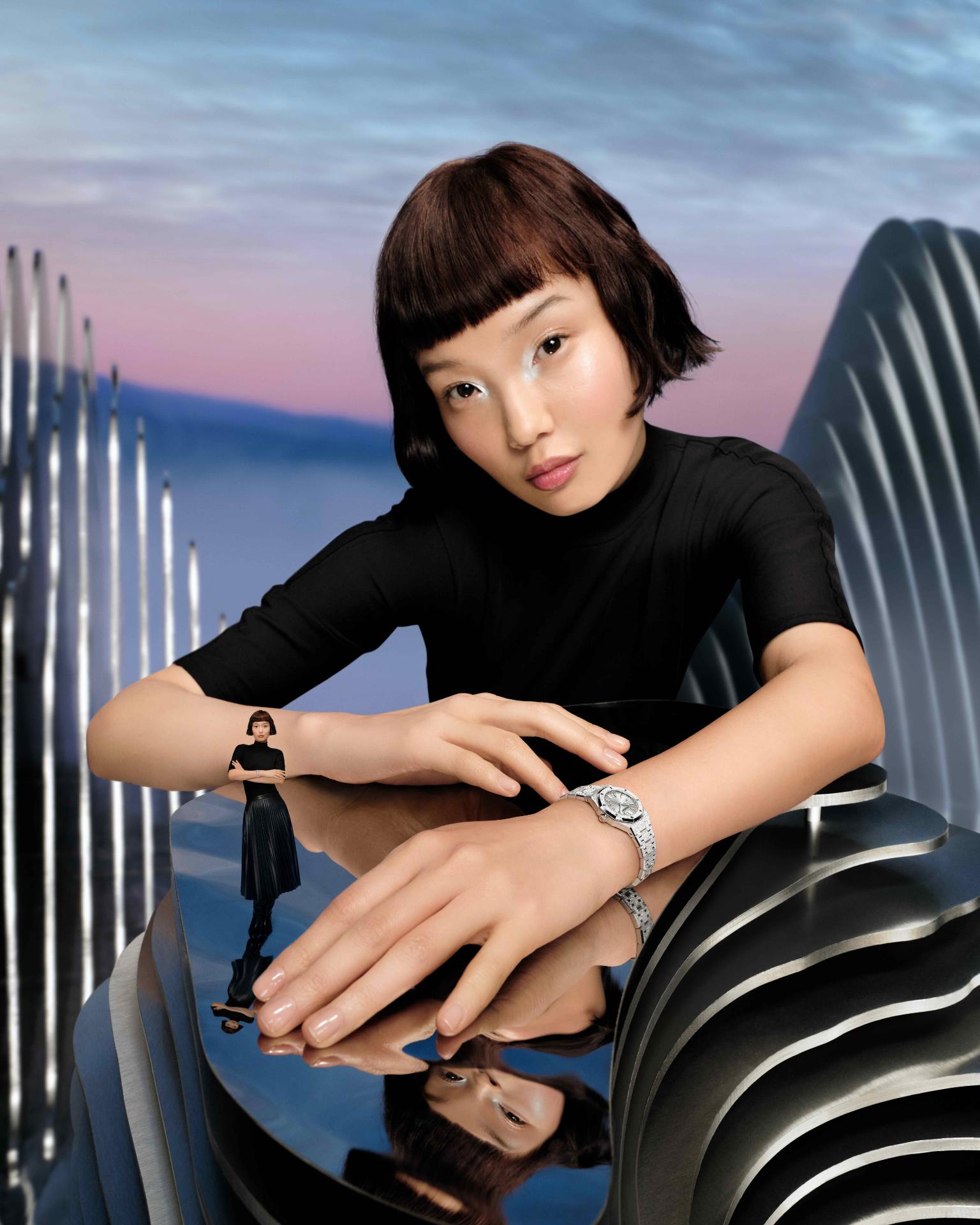
Audemars Piguet Royal Oak Mini Frosted Gold
While we should recognise that the men’s/women’s divide is still a valid means to categorise watches, to what extent will this traditional distinction disappear, faced with the rising tide of ungendered models? Should we even be asking the question? Consumers no longer list gender as one of their main criterion when choosing a timepiece. When we fall in love with a watch, be it engraved, gem-set, with complications or quartz, to paraphrase Antoine de Saint-Exupéry’s Little Prince, we only see it rightly with the heart; what is essential is invisible to the eye.
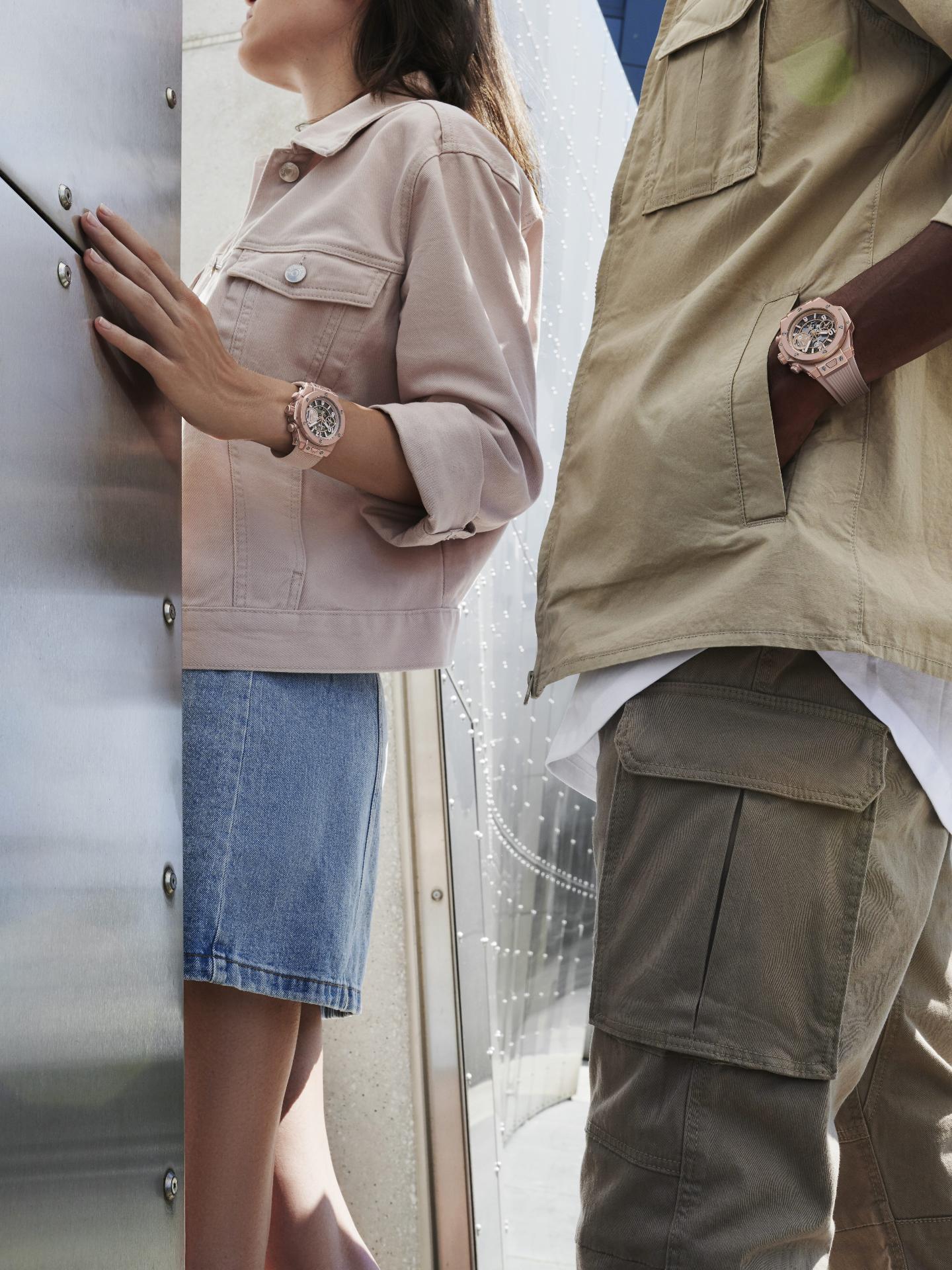
Hublot Big Bang Millennial P_ink