Mercedes Gleitze. A name familiar to anyone who has ever delved into the history of watchmaking. Firstly because on October 7th 1927, the 27-year-old typist from Brighton, England, became the first British woman to swim the Channel unassisted, in 15 hours and 15 minutes. Secondly because Rolex made sure everyone knew that Gleitze had completed her epic crossing while wearing an “Oyster”. The first truly waterproof watch, it emerged still ticking from the sea. Developed by Rolex in 1926 and described as “the Wonder Watch that Defies the Elements”, the Oyster debuted two major innovations: a screw-down bezel and back, and a threaded winding crown that sealed the case. Never one to miss an opportunity to promote his products, Rolex founder Hans Wilsdorf took out a series of advertisements in English newspapers to publicise the event, making Mercedes Gleitze the originator of mermaidcore. For good measure, Rolex arranged for its Oyster watches to be displayed in retailers’ windows immersed in a fish bowl, dispelling any last doubts as to their water-resistance.
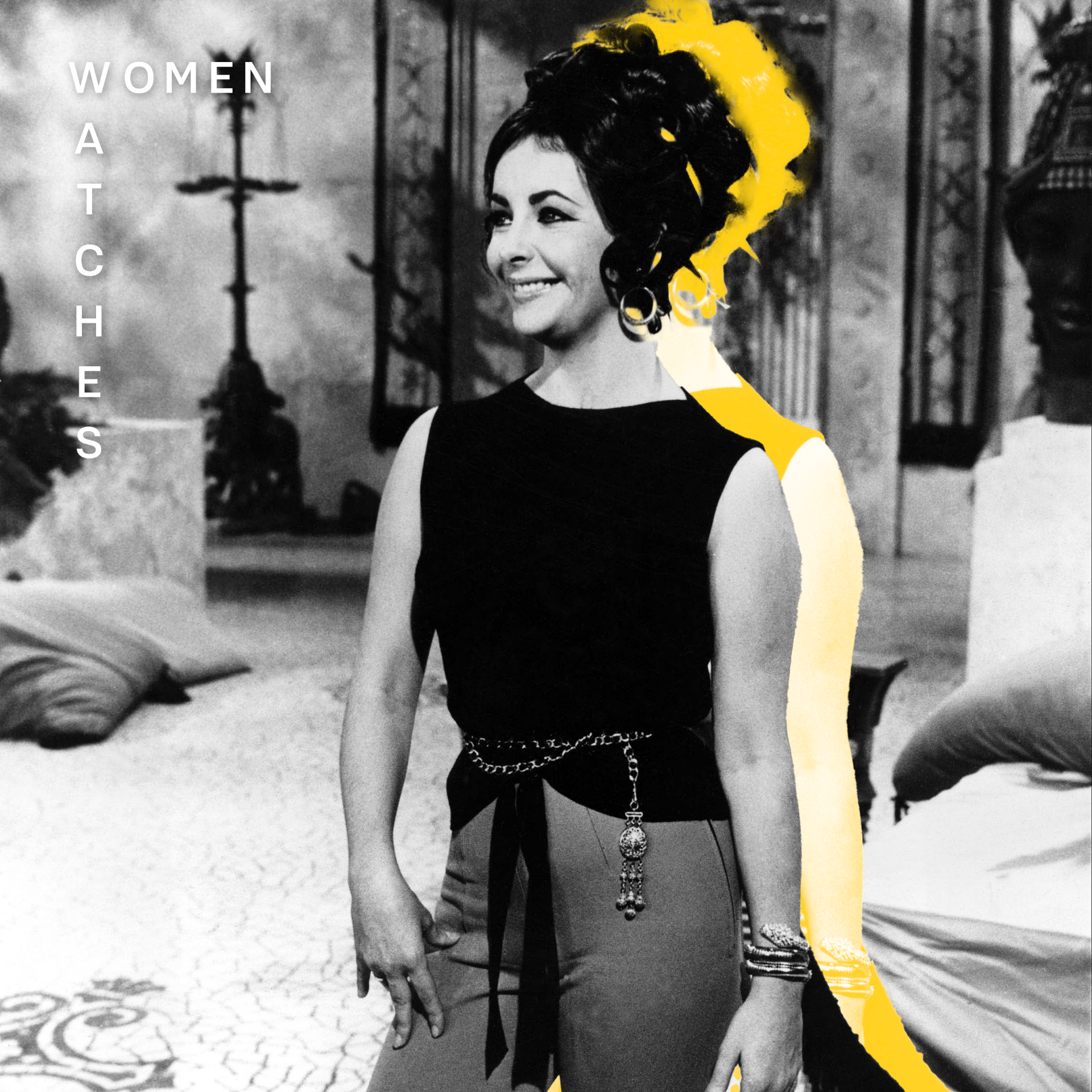
Women’s watchmaking tales. Women’s watchmaking tales. Women’s watchmaking tales. Women’s watchmaking tales. Women’s watchmaking tales
Women’s watchmaking tales. Women’s watchmaking tales. Women’s watchmaking tales. Women’s watchmaking tales
Women’s watchmaking tales
The history of watchmaking is peppered with stories of remarkable women in this otherwise male-dominated domain. Some are legendary, others less well-known, but they are all worth telling.
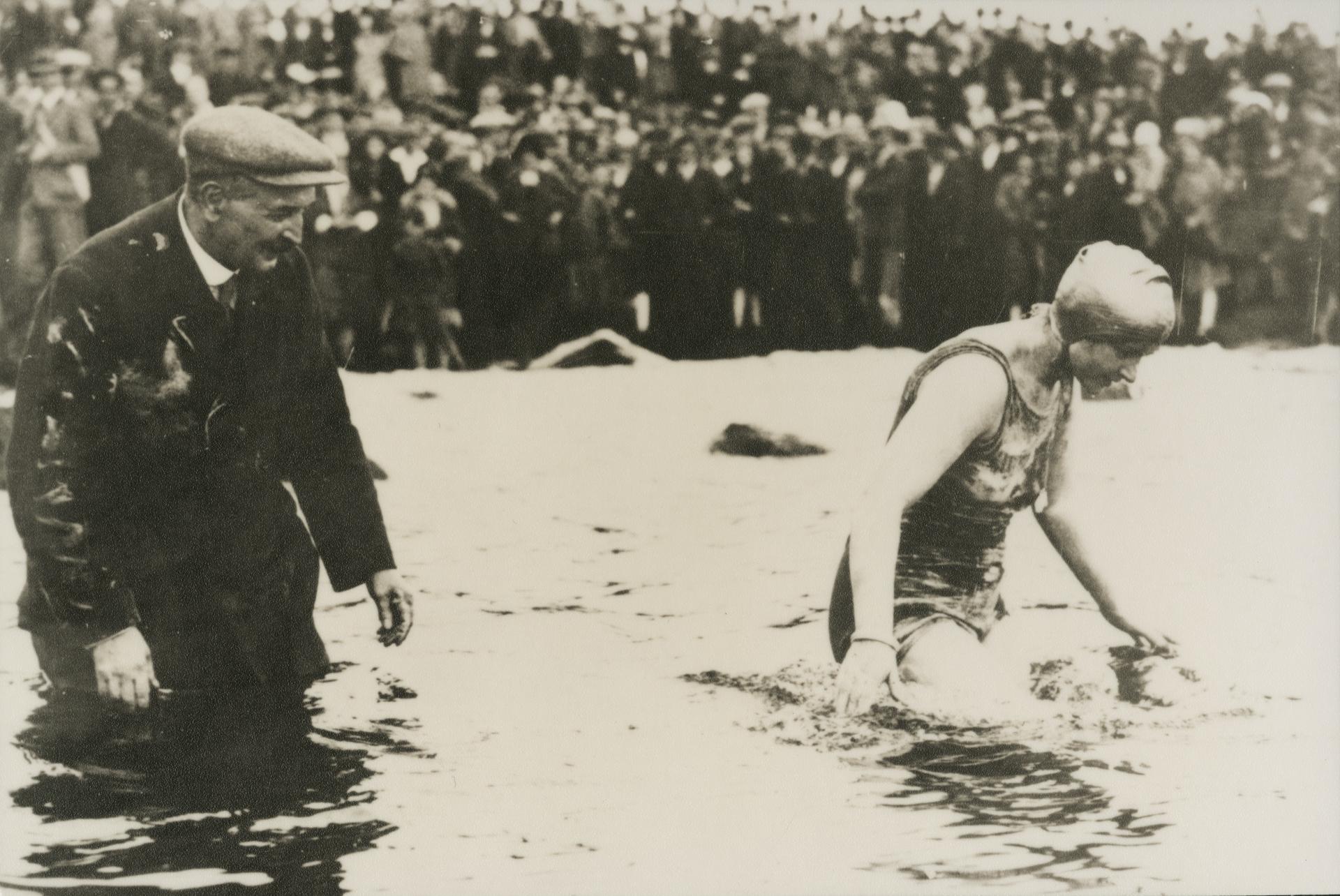
1927 - Mercedes Gleitze swims the English Channel wearing a Rolex Oyster
Pioneering women
Rolex’s choice of a woman to demonstrate such a major development was a judicious one. Conventional wisdom held that women were interested only in delicate jewellery watches and were de facto excluded from technical considerations, in much the same way they were overlooked in sport and exploration. Mercedes Gleitze demolished this narrow-minded view and proved that Rolex was right to have believed in her resilience and determination by becoming the first woman to publicly embody values that were previously considered peculiar to men. Paradoxically, then, the watch that would conquer the globe on the wrists of intrepid men first proved its worth thanks to a woman.
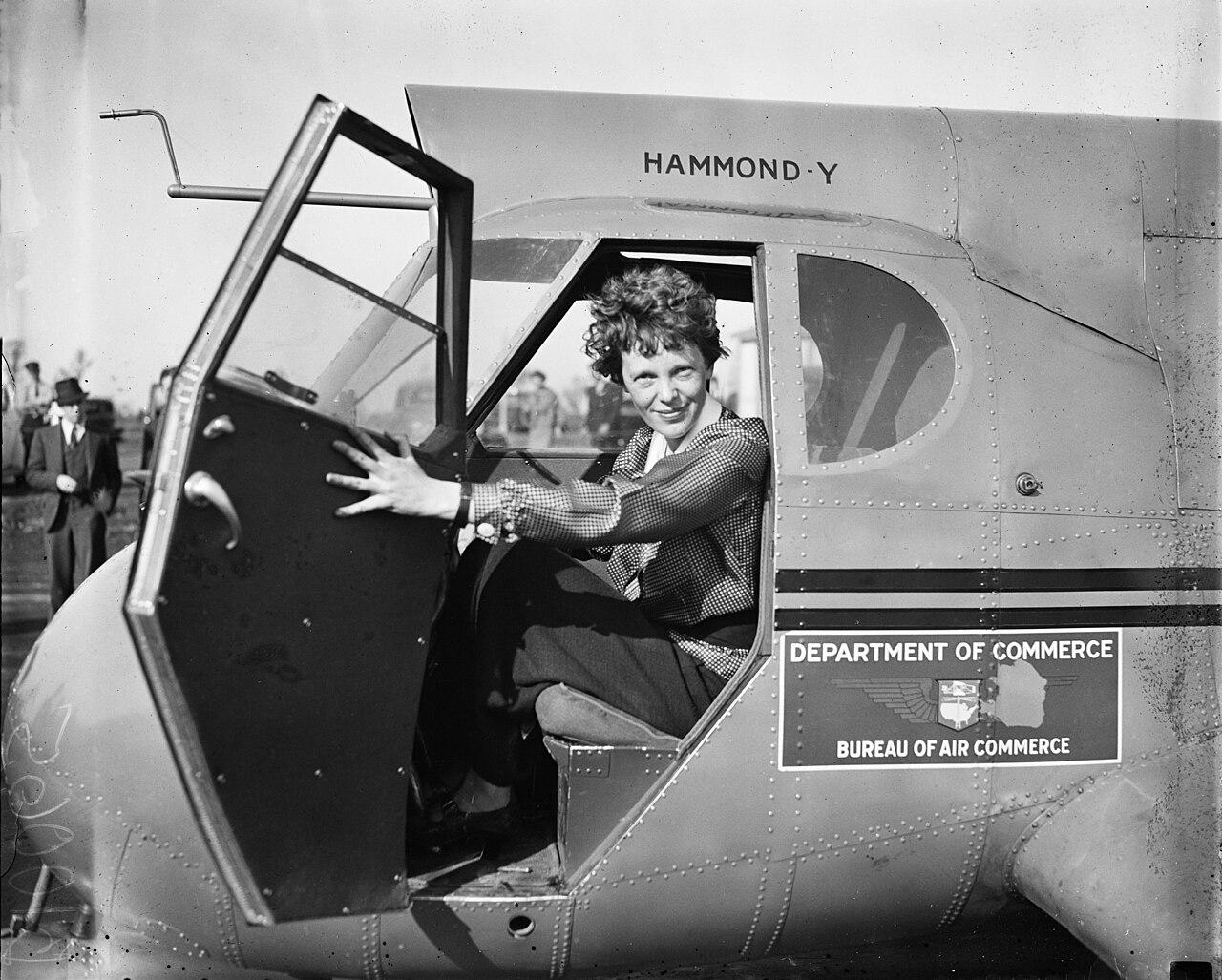
Amelia Earhart
Around the same time, American aviation pioneer Amelia Earhart was putting her stamp on the world. The first woman to fly solo across the Atlantic Ocean — in 1932, in 14 hours and 56 minutes in a Lockheed Vega — she is forever associated with the watches that accompanied her airborne exploits… at least by the auction houses that have sold these historic models, among them a very rare, cushion-shaped, Patek Philippe monopusher split-seconds chronograph. This singular timepiece was commissioned from the Genevan firm in 1928 by Gordon Selfridge, the American business magnate and founder of the Selfridges department-store chain, as a token of esteem for his friend, Henry Segrave, holder of three land speed records and the first man to break the 200 mph (320 kph) barrier. Tragically, Segrave was killed in 1930 while attempting to set a new water speed record, his Patek on his wrist. The watch was returned to Gordon Selfridge and, fully restored by the brand, went on to enjoy a second life worn by Amelia Earhart, after it was gifted to her by Selfridge as a sign of his “enormous admiration”. This remarkable adventurer also met a tragic and premature death, disappearing at sea in 1937 as she attempted to circumnavigate the globe from east to west. Both her Longines and her Patek Philippe survived her, securing Earhart her place in horological history.
Stars of the silver screen
Some three decades later, a different chronograph would go down in legend. A Rolex, it owes its fame to Hollywood giant Paul Newman but would be transformed into something truly unique by a “feminine touch”. The story begins in 1902 on the packed sands of Daytona Beach, Florida, where crowds gathered to see some of the first ever motor racing competitions. Rolex was quick to join in with the thrills and in 1959 became Official Watch when the action moved to the newly constructed Daytona International Speedway. Intent on conquering the US market, in 1963 the brand released its Cosmograph. A tool-watch designed for professional racing drivers, certain versions sported an “Exotic” dial with black subdials on a white ground or white subdials on a black ground. One such model would enter the horological hall of fame when worn by Newman during the filming of Winning in 1969. The actor’s Cosmograph with Exotic dial had been a gift from his wife, Joanne Woodward, who had the back of the case engraved with the words “Drive Carefully Me”. Among the many Cosmograph Daytona that Newman owned, this one would clock up a record of its own when in 2017 it sold for US$ 17.8 million: the highest price ever paid for a wristwatch at auction.
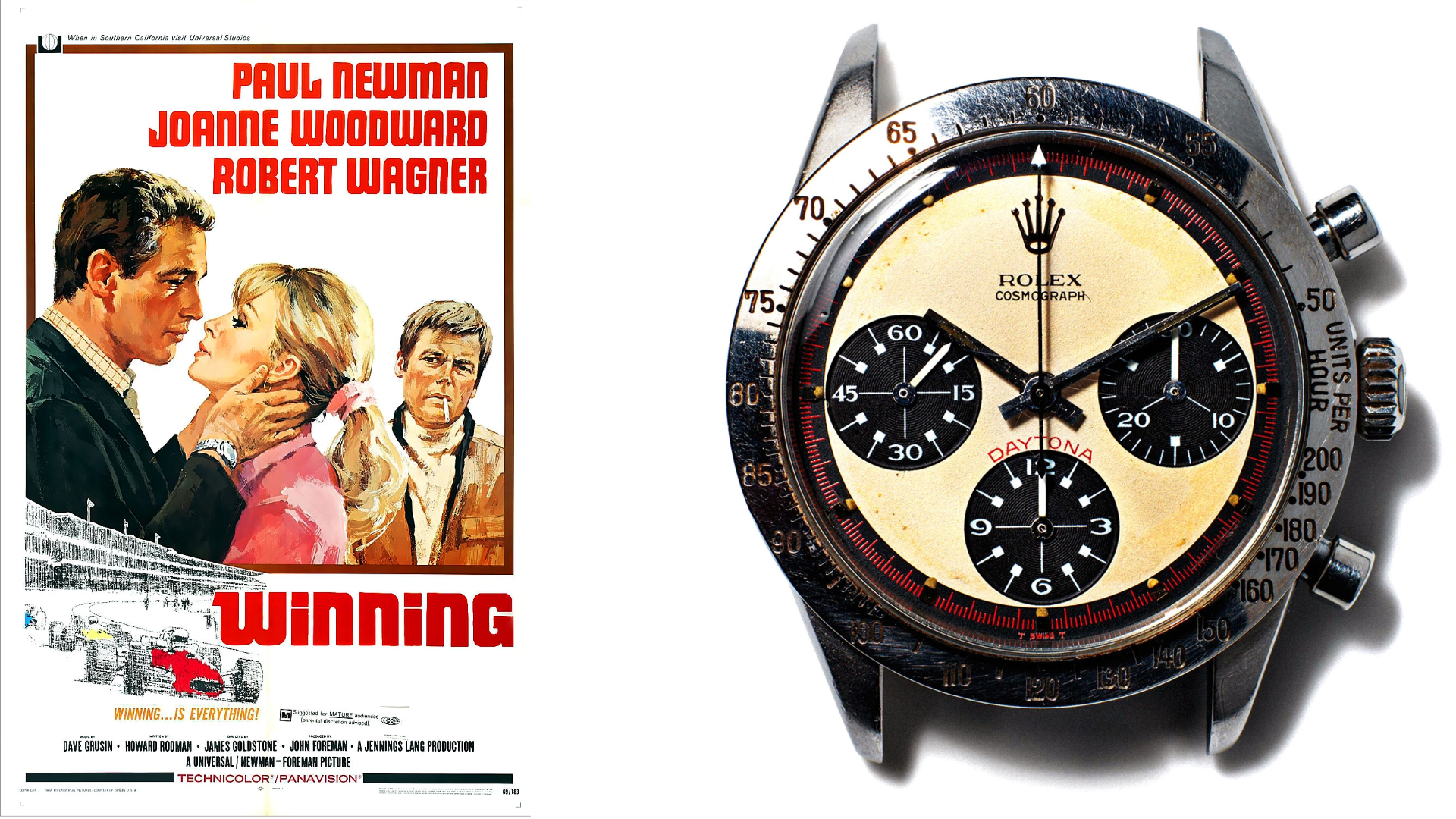
Paul Newman and his Rolex
In 1963, the year that Rolex introduced the Cosmograph Daytona, another film would cement the bond between a Hollywood great and her favourite brand. During the three years of shooting Cleopatra, in London then Rome, the off-screen liaison between Elizabeth Taylor and Richard Burton held the public enthralled. Burton showered Taylor with gifts, not least stunning jewels and watches from Bulgari, which the actor quipped was the only Italian word his co-star and lover knew. Photos of that period show Taylor wearing, among other pieces, her Serpenti watch, an icon of the Roman house.
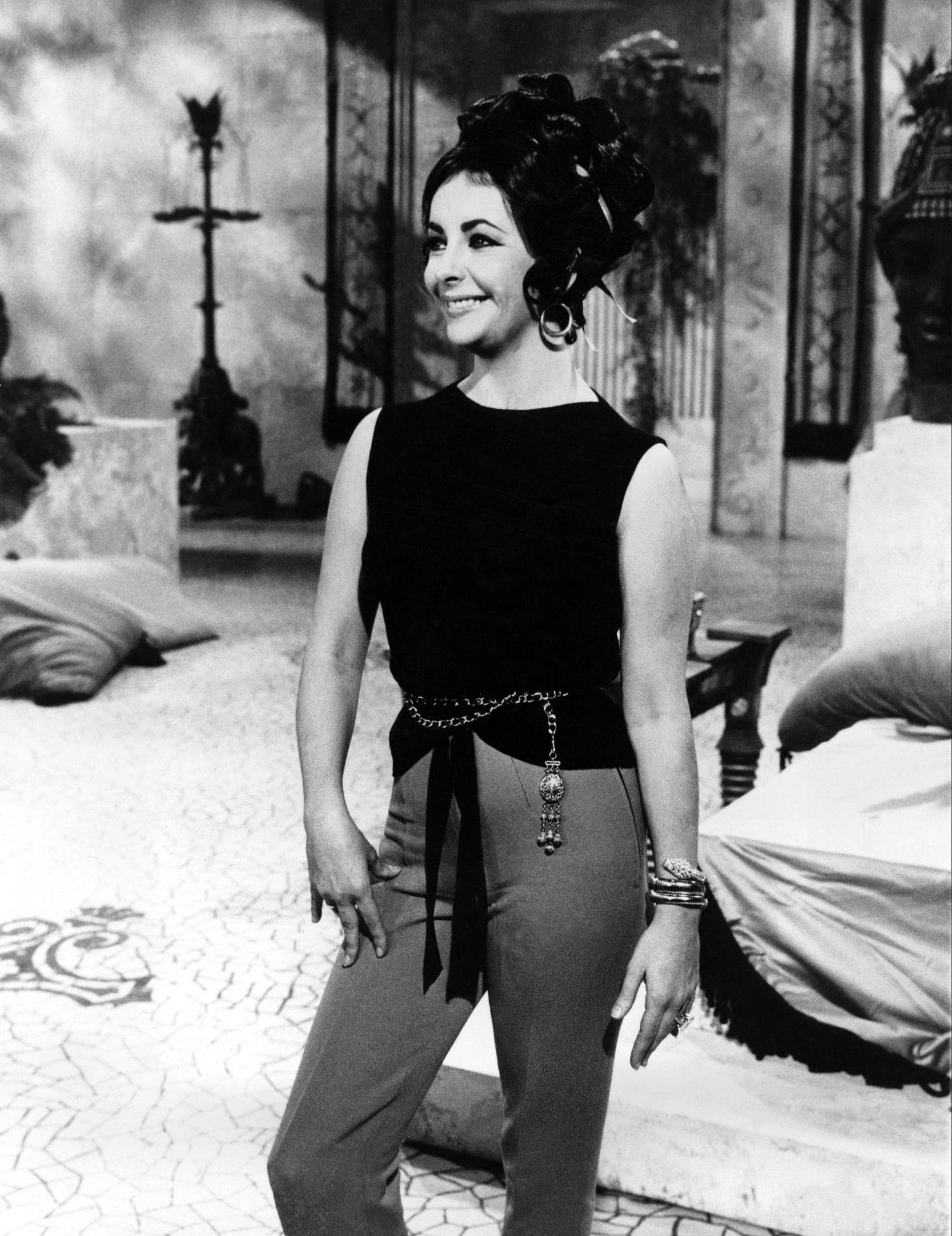
Elisabeth Taylor on the set of Cleopatra with her Serpenti watch - 1962
Celebrity love affairs
The Sixties were a decade of enormous creativity in the worlds of art and culture, not least for watchmakers who captured the energy of the times and drew inspiration from its stars. Cartier and María Félix are one example. The Mexican actress was a towering icon of mid-century Latin-American cinema who also challenged the traditional roles of women. She commissioned Cartier for extravagant watches and jewels, not least her fabulous crocodile-shaped necklace from 1975.
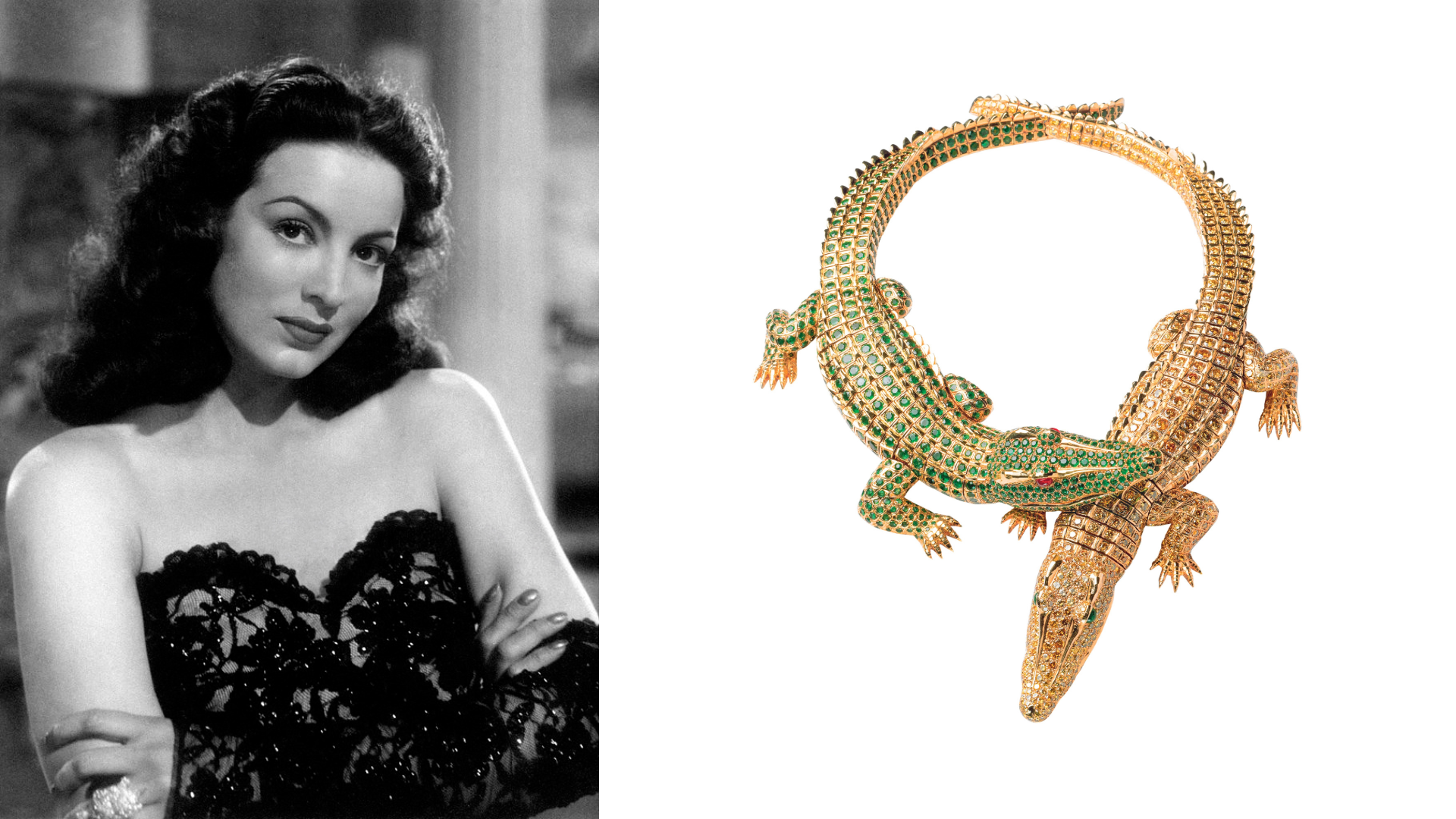
María Félix (1947) and the Cartier crocodile necklace
Piaget, meanwhile, was winning famous hearts with its extra-thin jewellery watches, its hard stone dials, launched in 1963, and six years later its 21st Century collection. Sophia Loren and Gina Lollobrigida were among the watchmaker-jeweller’s fans, as was Jackie Kennedy. In 1967 the former First Lady of the United States purchased a watch with an oval dial in jade framed by a diamond- and emerald set bezel, on a Palace engraved gold bracelet. This same watch appears on-screen, worn by Nathalie Portman in the 2016 biopic Jackie, loaned by Piaget from its legacy collection.
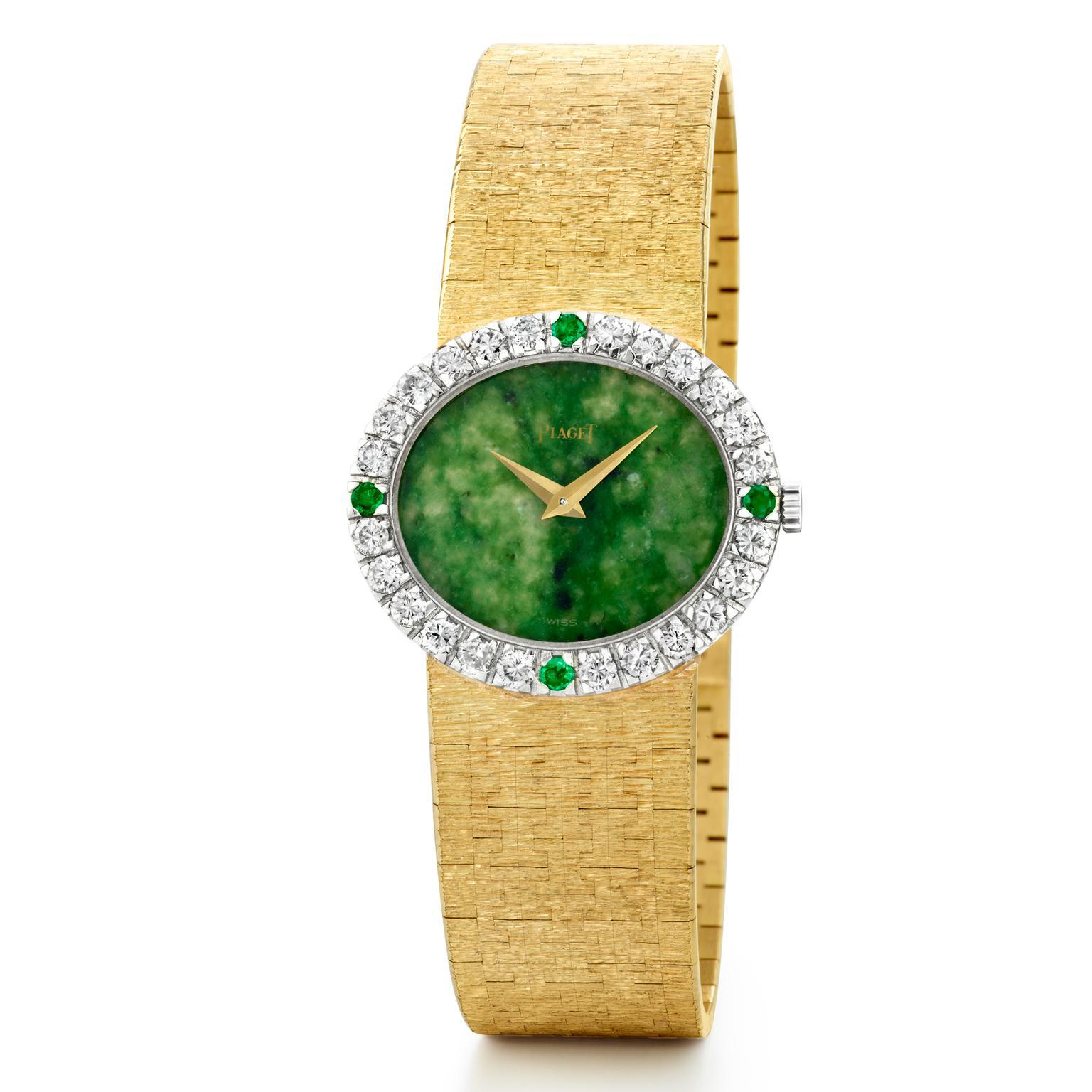
Jackie Kennedy's Piaget watch
More recent collaborations have sent trendspotters into a frenzy. Rihanna and Jacob & Co, Taylor Swift and Lorraine Schwartz, Julia Fox and Hodakova, Emma Chamberlain and Cartier are all reminders that there is more than one way to wear a watch. Harnessing the imagination of celebrity and brand, watches become chokers, ankle bracelets, even an entire outfit. But do they still tell the time?