FHH | Second time’s a charm

Second time’s a charm. Second time’s a charm. Second time’s a charm. Second time’s a charm. Second time’s a charm

Second time’s a charm. Second time’s a charm. Second time’s a charm. Second time’s a charm

29 January 2026

Second time’s a charm

Industry

by Christophe Roulet

As sales of new watches stall, the pre-owned market is losing none of its momentum. Prices have stabilised now that the speculative bubble has burst, and growth is benefiting from Certified Pre-Owned.

For every car sold fresh off the production line in France, 3.5 second-hand vehicles change hands. A surge in the average price for new vehicles, up 25% since 2020, alongside longer wait times for certain models, means more drivers are turning to pre-owned registrations and the market is expected to continue to grow.

How does this compare with the watch industry? Despite a notable difference in market maturity, the situation is not that dissimilar. The final instalment in the Deloitte Insights 2024 series predicts that within the next ten years, sales of pre-owned watches (the majority of which are by Swiss brands) will equal those of new models. According to data published by the Federation of the Swiss Watch Industry (FH), Swiss watch exports totalled CHF 26 billion in 2024. This translates to CHF 65 billion at retail – a figure soon, then, to be equalled by pre-owned. Little wonder that the majority of industry executives who responded to the Deloitte survey view the pre-owned market positively.
There are three important factors combined that make a trade-in of a pre-owned timepiece successful: Trust, Price and Speed.

Brian Duffy, Chief Executive Officer of The Watches of Switzerland Group

Everyone wants in

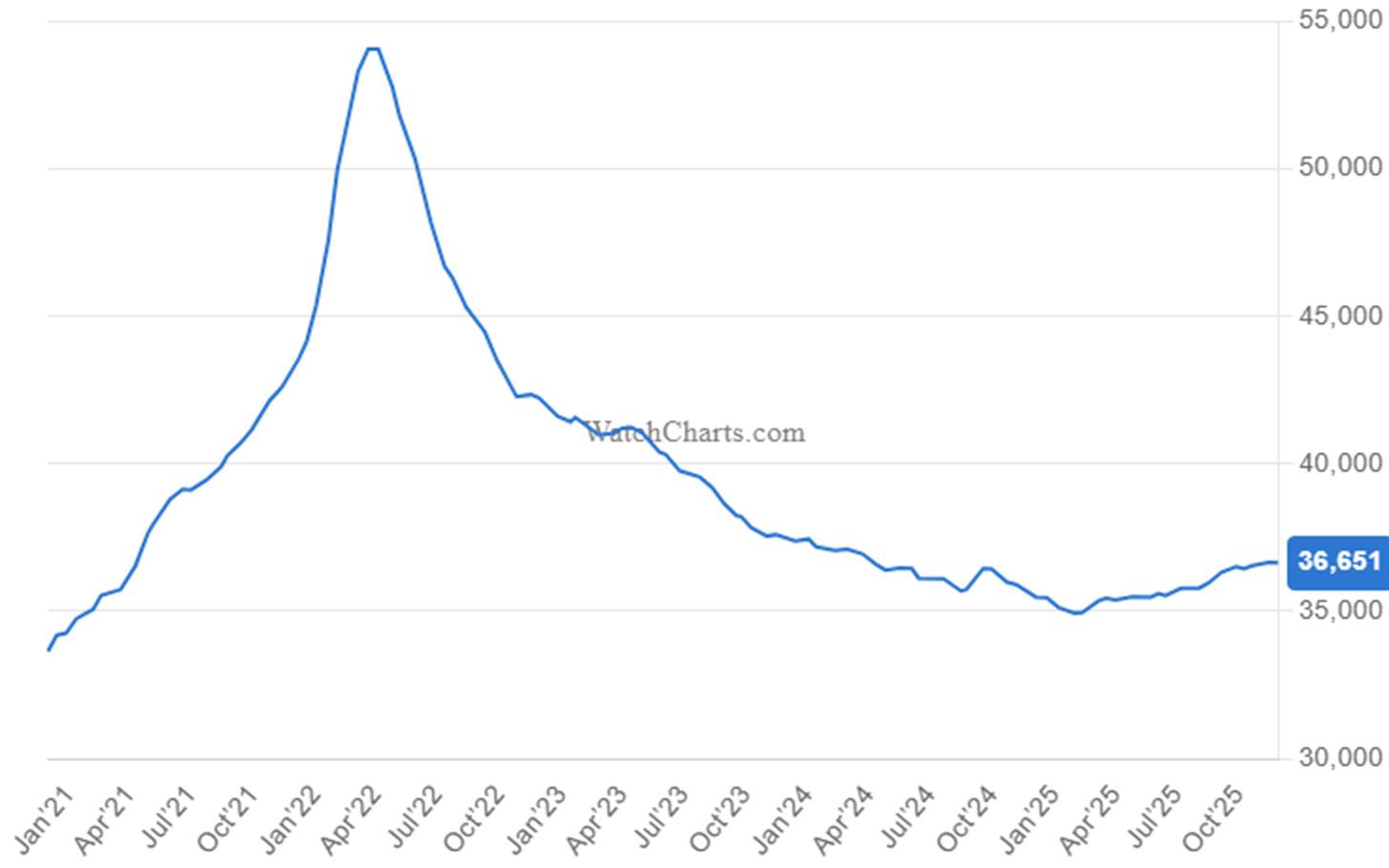
While the market for second-hand timepieces isn’t new, it boomed during the pandemic on the basis of online sales, creating a speculative bubble. This is borne out by the WatchCharts Overall Market Index which tracks secondary market price trends for 300 watches by the ten largest luxury watch brands.

WatchCharts Index on secondary market

WatchCharts Index on secondary market

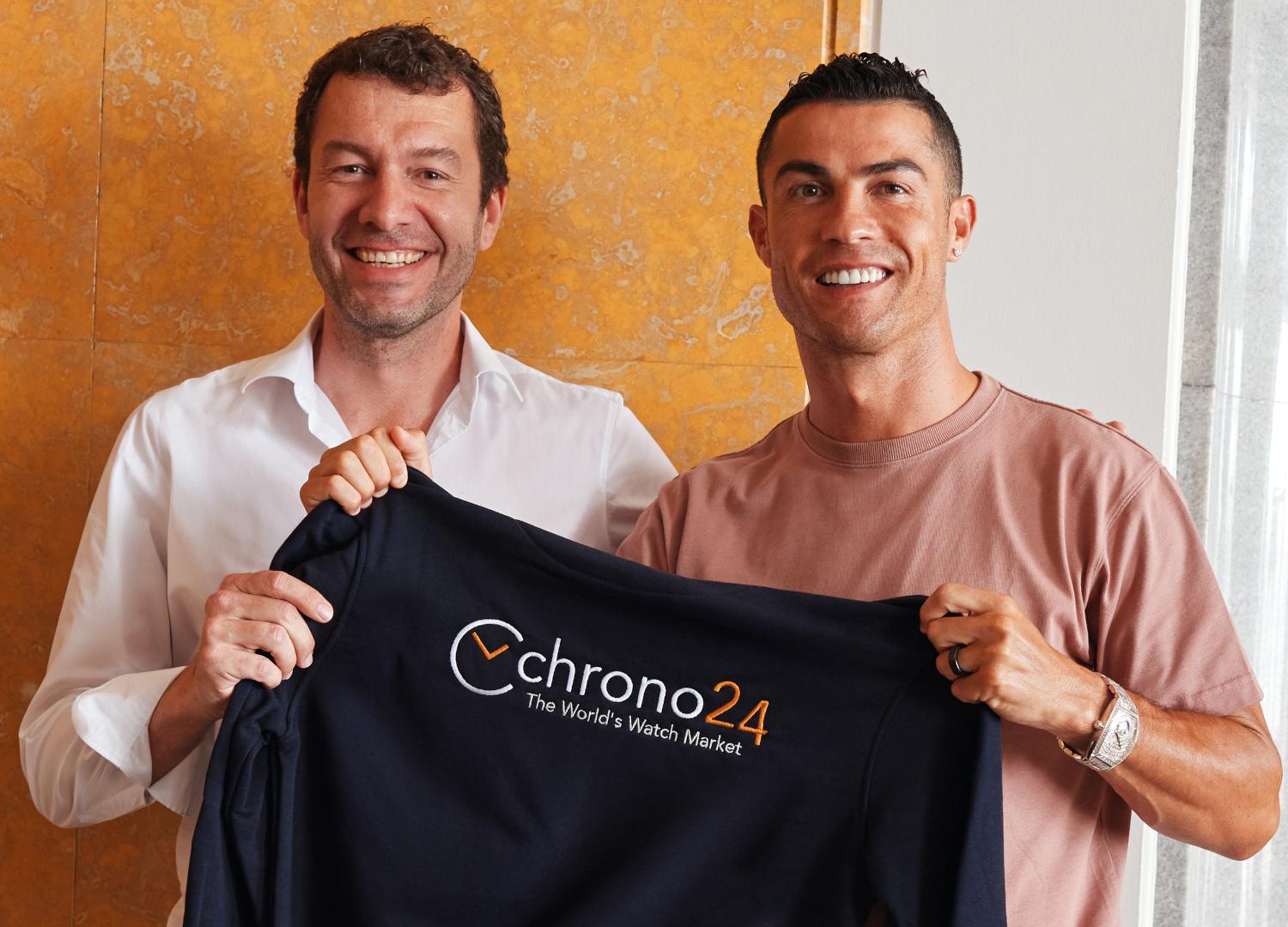
The pandemic price boom drew new players, including celebrities, many from the world of sport (Cristiano Ronaldo and Michael Jordan among them), who invested in companies trading in pre-owned watches. New platforms emerged, not all of which survived the post-boom bust when “normal” global economic cycles resumed and pre-owned prices underwent a precipitous two-year decline, before stabilising in 2024. But as Deloitte notes, “that some firms have failed is part of the normal evolution of a fast-developing market.”

Watchfinder & CO Geneva boutique

Watchfinder & CO Geneva boutique

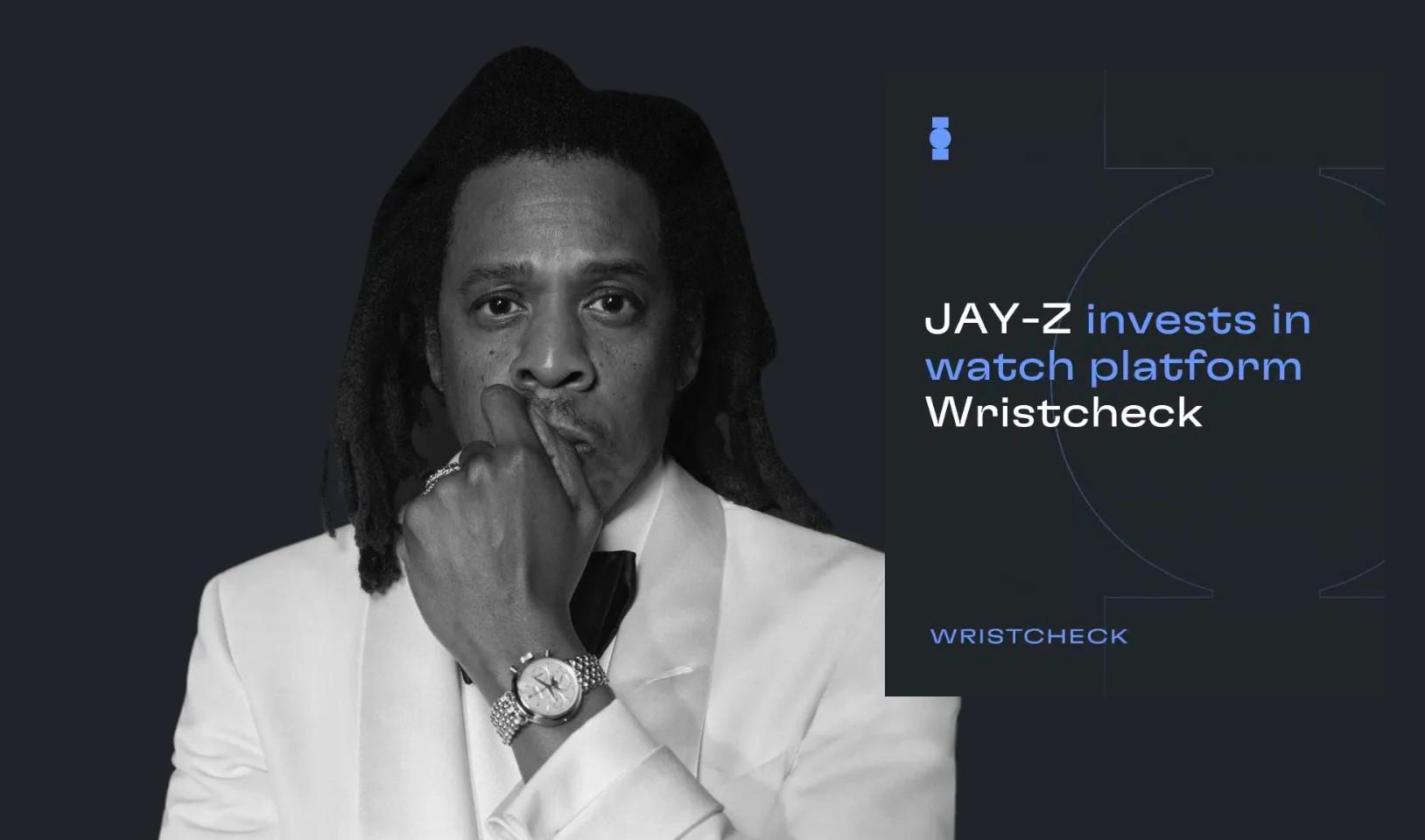
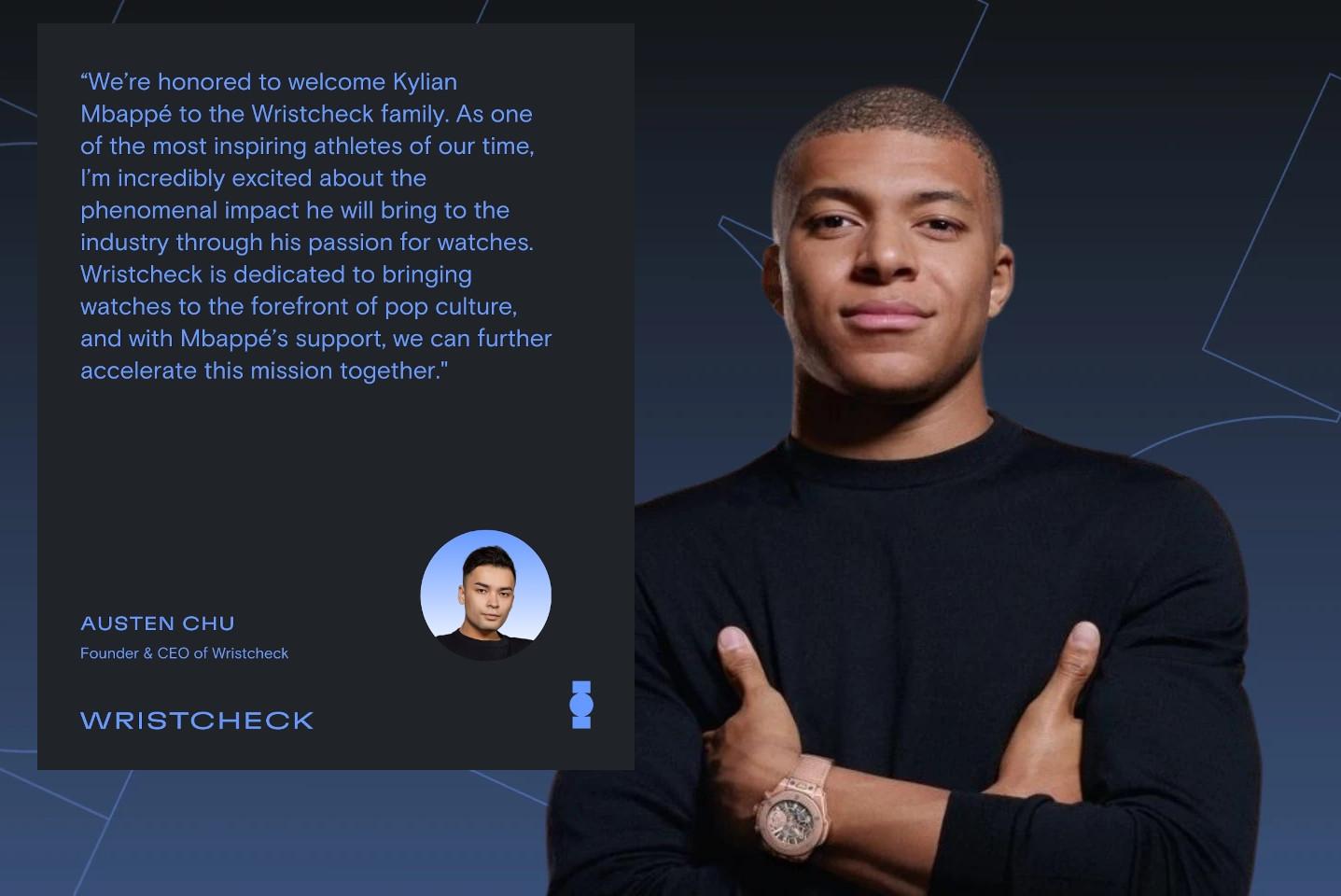
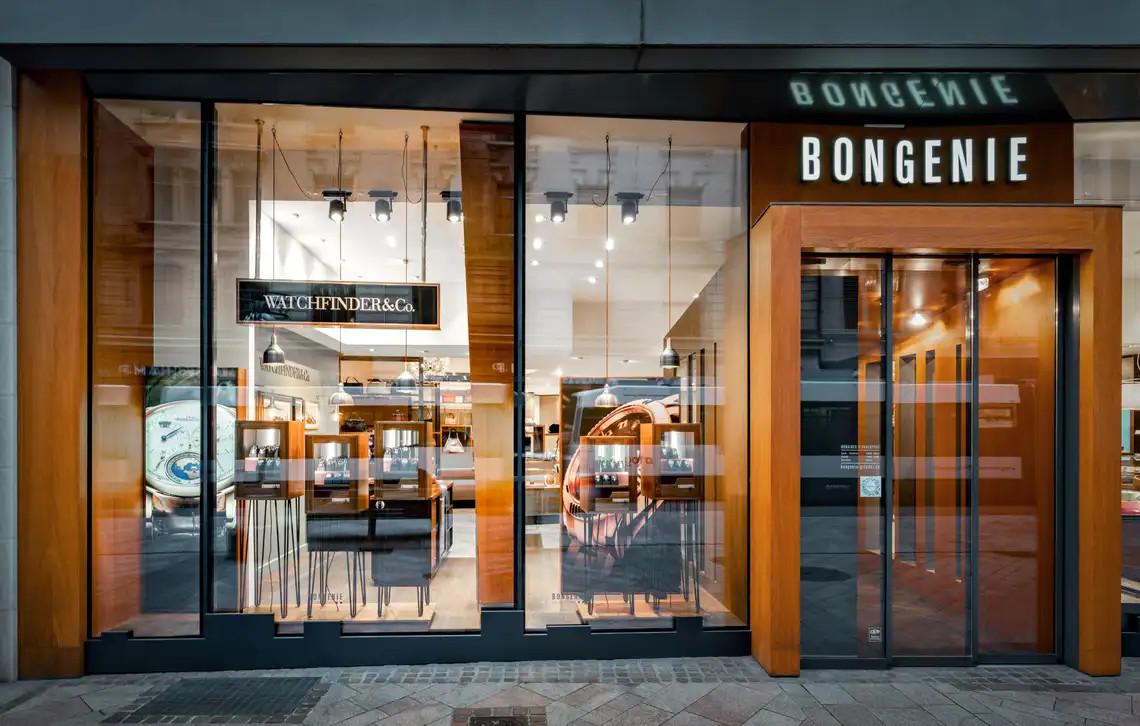
Joining established names such as Chrono24, Bezel and eBay, the spate of newcomers include groups such as Richemont (which acquired Watchfinder as far back as 2018), the brands they own, such as Jaeger-LeCoultre, Vacheron Constantin and Zenith, as well as independents including Audemars Piguet, Breitling, FP Journe, MB&F, Richard Mille and Rolex. Online editorial forums such as Hodinkee have established e-commerce sites, or vice versa (cf. The 1916 Company). New internet platforms have also emerged such as Wristcheck founded in 2020 by Austen Chu, now complemented by a physical presence in Hong Kong, Macao and New York, which has attracted renowned investors such as rapper Jay-Z and sports star Kylian Mbappé. Meanwhile, prices for pre-owned watches continue to break records at auction. Once a microcosm, the second-hand watch market is now entirely “macro”.

The price is right

The reasons for this shift are clearly identified. Market dynamic is fuelled by more flexible consumer behaviour, particularly among Millennials and Gen Z who are the most likely to buy a pre-owned watch; by the increased digitalisation of secondary channels, and the immediate availability of items compared with excessive wait times for certain new models. Buyers also turn to the secondary market as an opportunity to acquire rare pieces, limited editions or discontinued models. However, as brands continue along a path of premiumisation, price emerges as the central factor. A rapid calculation based on Federation of the Swiss Watch Industry export figures reveals that since 2019, the average ex-works price of a mechanical watch has increased cumulatively by 66 per cent – sending aficionados in search of a good deal towards online marketplaces.

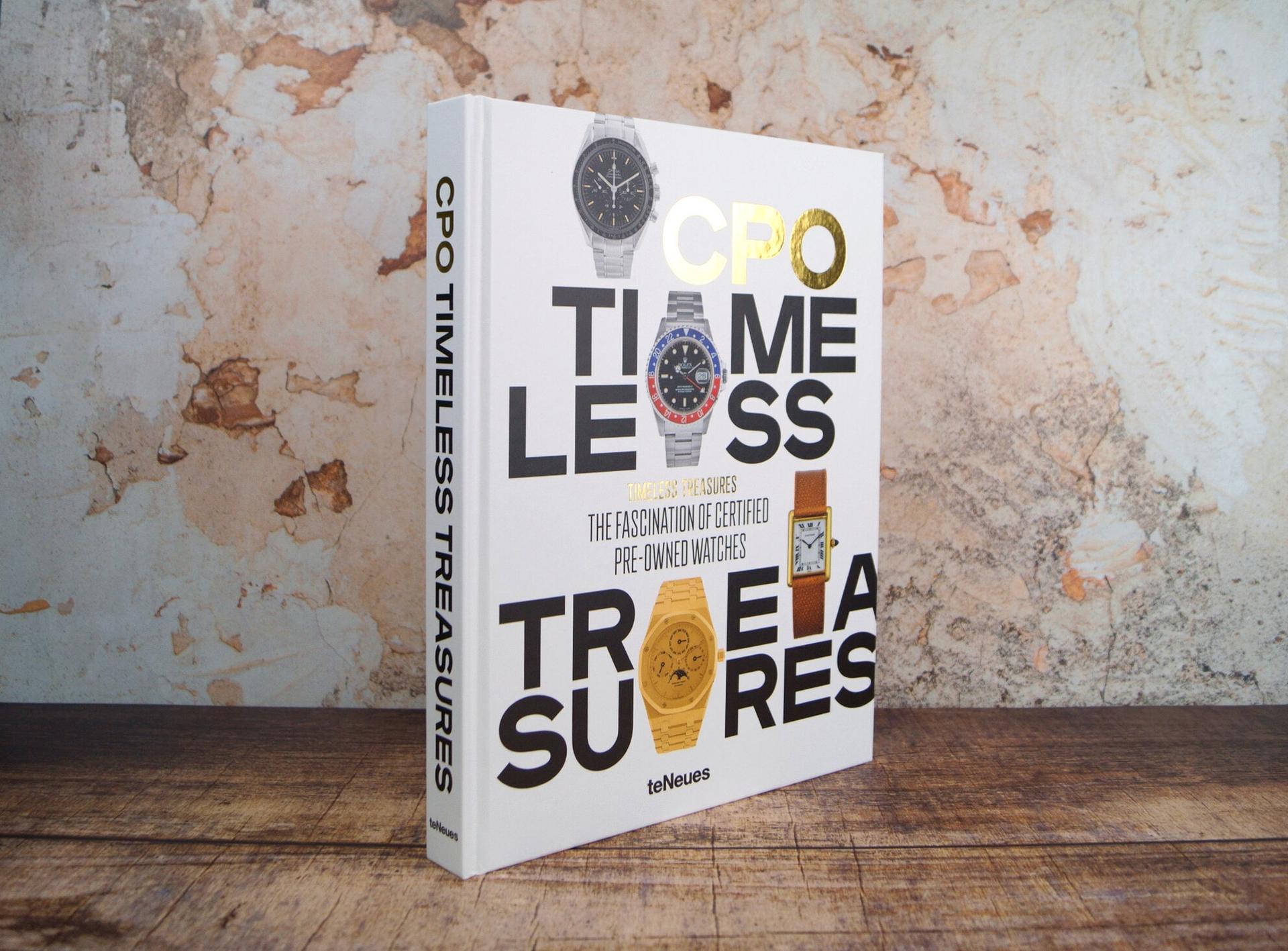
Timeless Treasures Table book

Timeless Treasures, The Fascination of Certified Pre-Owned Watches, 2023

To a large extent, development of the pre-owned luxury watch market is driven by watches that have been inspected, serviced and authenticated by the manufacturer or authorised retailer: what’s known in industry parlance as Certified Pre-Owned (CPO). “For consumers, the question of trust has become fundamental,” writes Deloitte, “and certification, warranties and Blockchain tracking have become part of regulating the market.” According to the consultancy firm, the market has evolved from a traditional secondary one, in which the buyer has only the seller’s guarantee, to a CPO market that provides both seller- and brand-backed guarantees. In the words of Brian Duffy, Chief Executive Officer of The Watches of Switzerland Group, “there are three important factors combined that make a trade-in of a pre-owned timepiece successful: Trust, Price and Speed.”

First choice

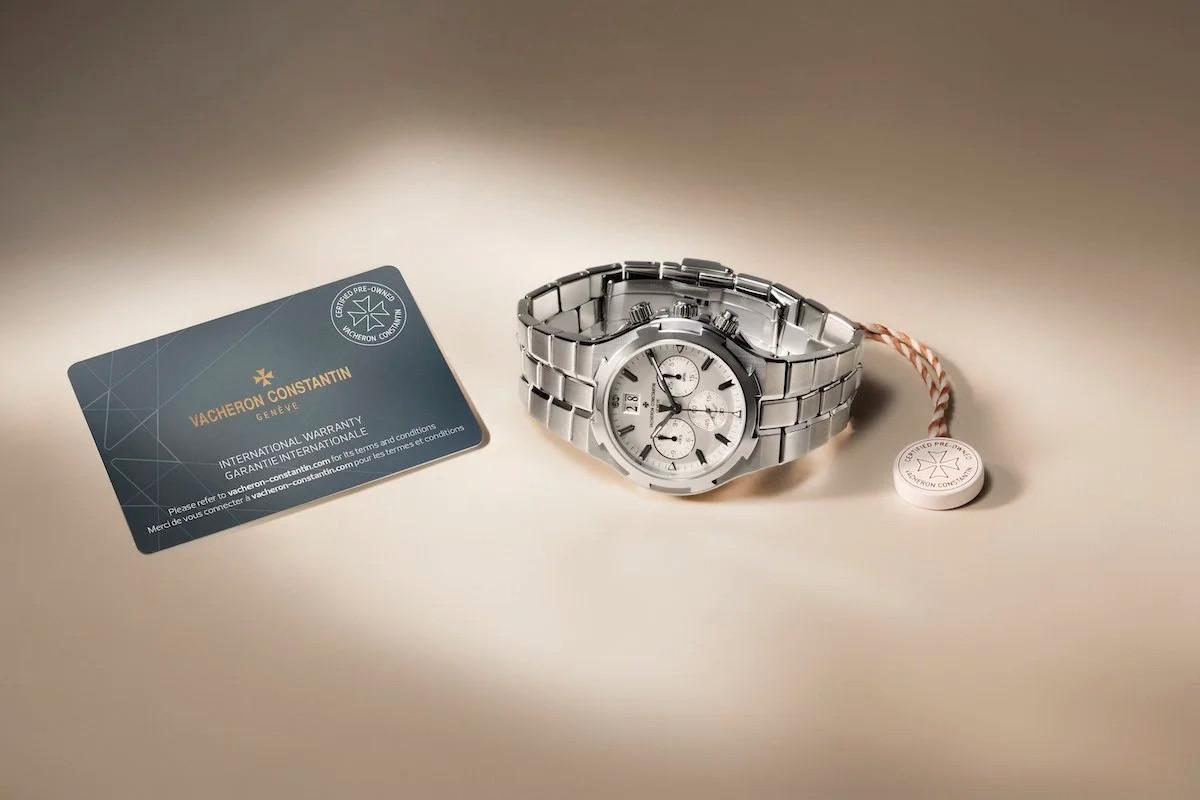
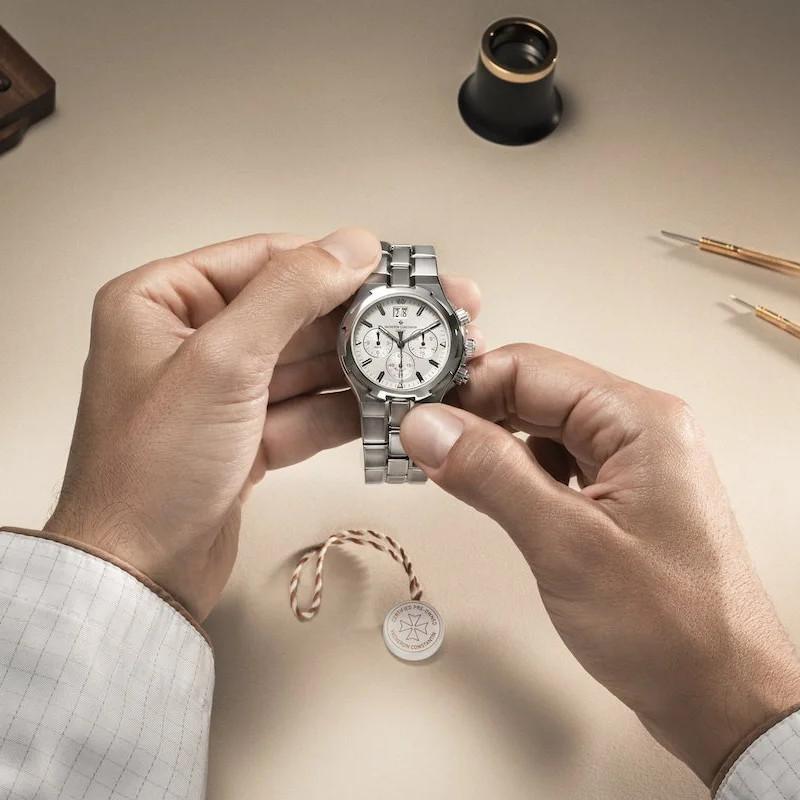
Vacheron Constantin, for example, supplies watches sold under its Certified Pre-Owned programme with a minimum two-year international warranty, a Blockchain-based digital passport and a guarantee letter. These assurances, do, however, come at a premium. Analyses have shown that a Certified Pre-Owned timepiece fetches an average 30% more than its non-CPO counterpart. The price to pay for peace of mind: not least the certainty of buying an authentic model. For a brand, a Certified Pre-Owned programme offers a unique opportunity to prove that its products have not one but several lives, and that the customer experience covers the entire spectrum, from the origins of the brand right up to the present day.

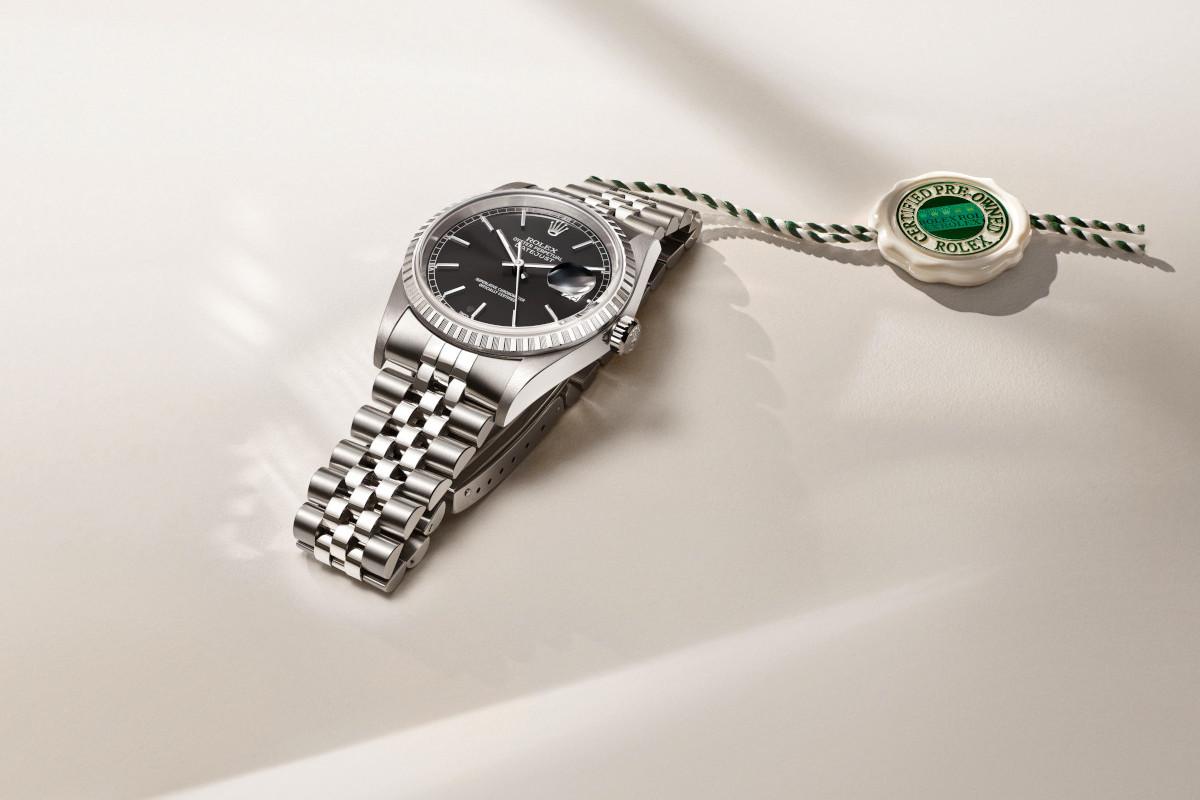
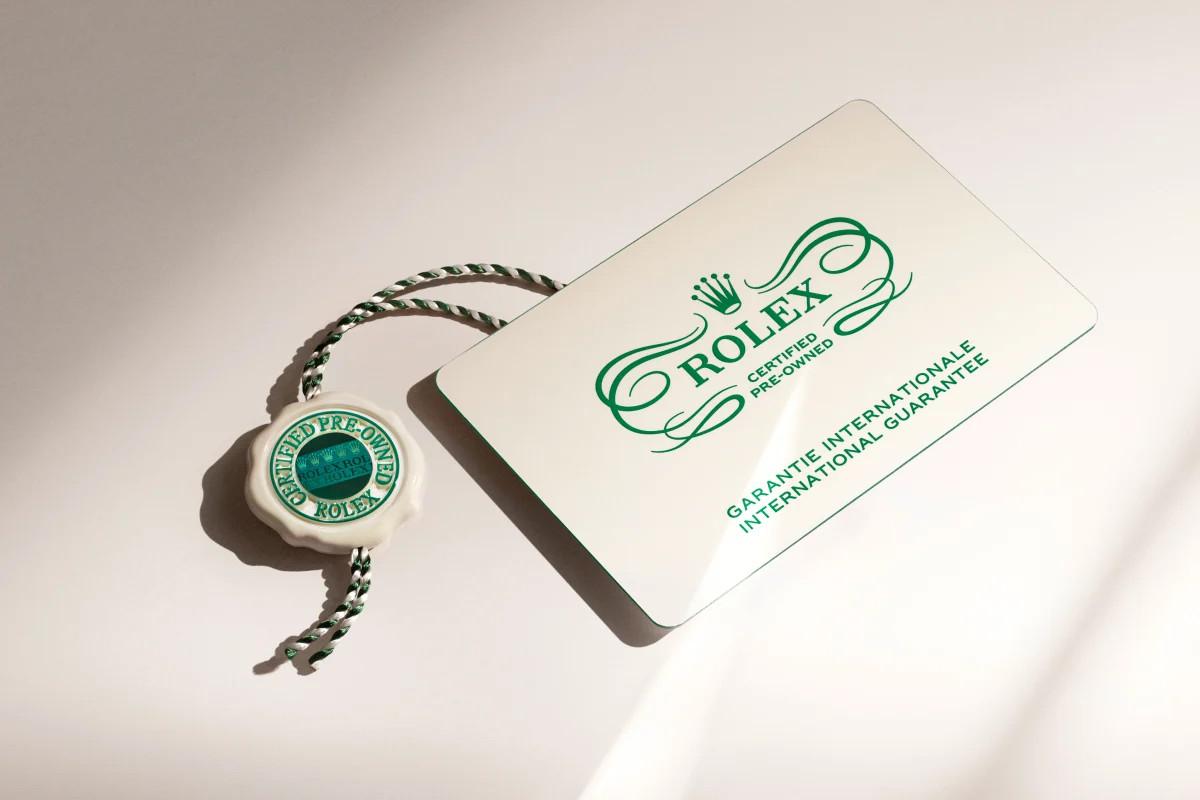
Rolex is a case in point. Last July, the brand with the coronet extended eligibility for its CPO programme to watches that are two years “old” (compared with the previous minimum requirement of three years). From manufacturing to servicing pre-owned models, Rolex is intent on managing its products’ entire lifecycle. This evolution also indicates that demand for second-hand watches remains strong. From a possible alternative to buying new, Certified Pre-Owned is becoming the first choice for a good many watch lovers, safe in the knowledge that a quality timepiece (unlike the vast majority of cars) is built to last… for ever.