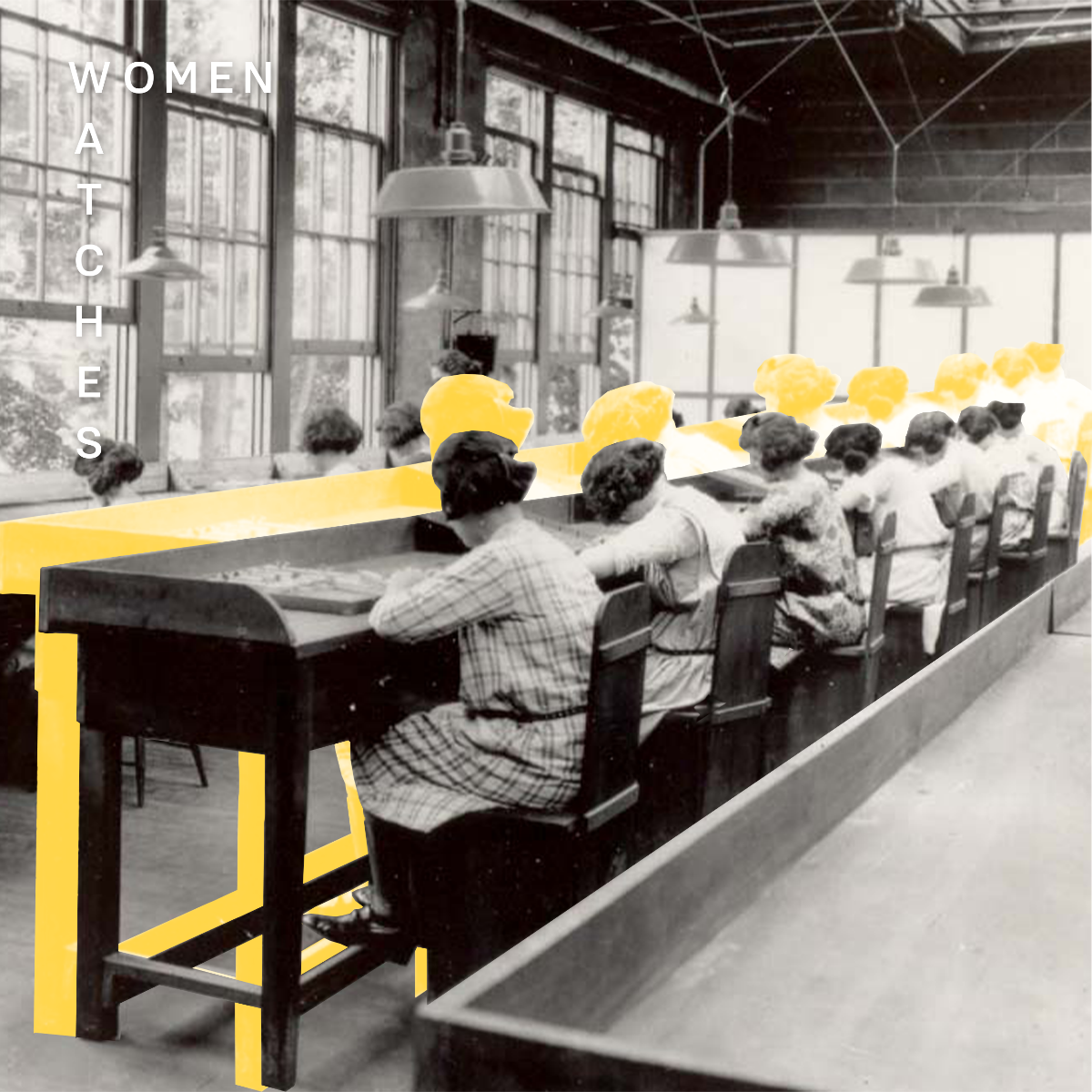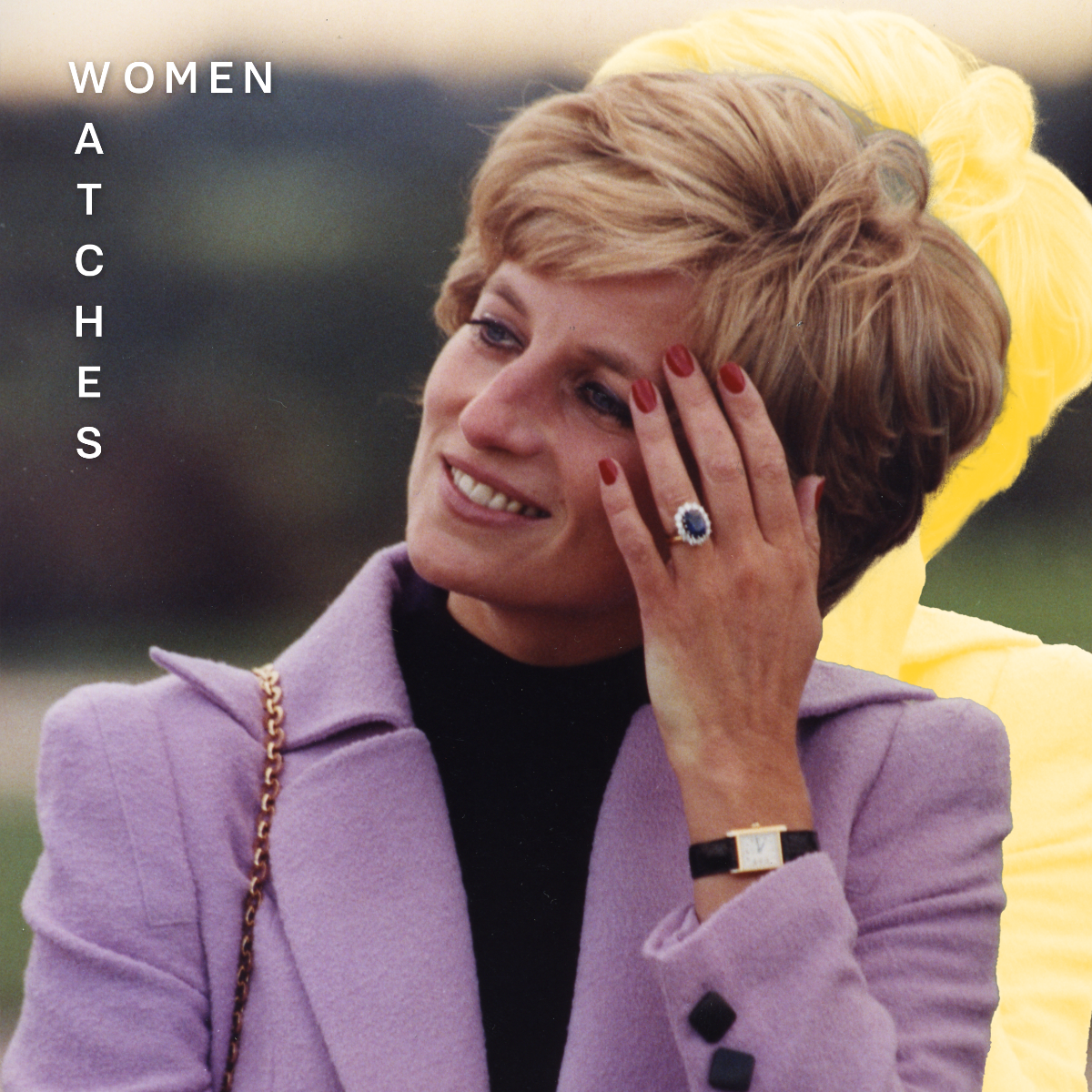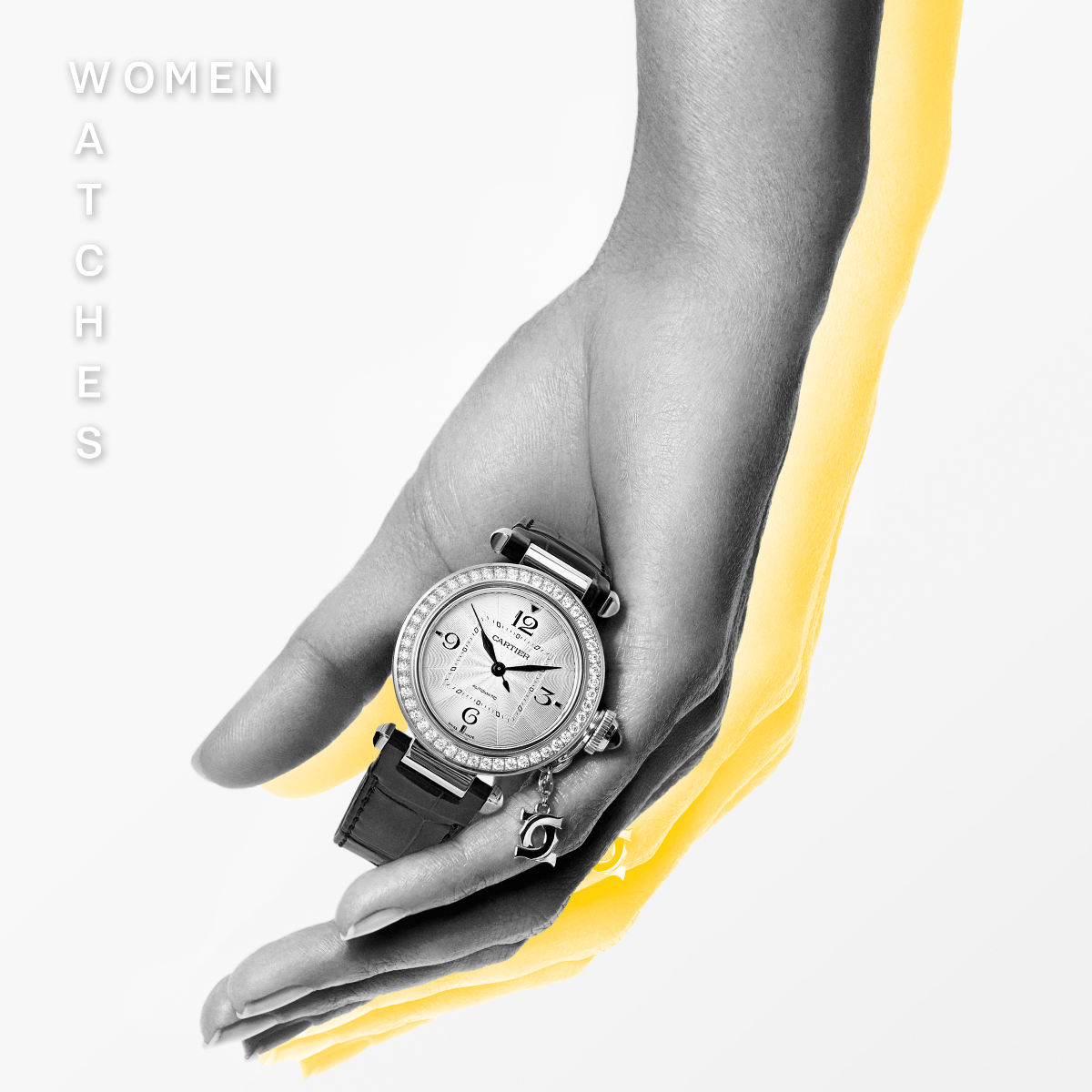
Historically speaking, women’s role in the evolution of watchmaking has been twofold. They inspired the creation of remarkable pocket watches while finding new ways to “wear time” — in particular the wristwatch — well before men. As the sector industrialised, women were as much an essential part of the workforce as male employees. Yet despite this, watchmaking remained a male preserve, comparable to a gentleman’s club, forced to embrace contemporary society and admit female members.
Excluded from technical developments, absent from the boardroom, women have all too long been considered worthy of interest solely for their “femininity”; that is their supposed preference for a timepiece’s design and appearance as opposed to its mechanical workings. For this reason, the advent of quartz was considered a blessing rather than a curse for the women’s watch segment.
Related articles
Signs of change have appeared since the early 2000s, in a society where women have fought for and won their independence, freedom of choice and the right to express their legitimate ambitions. Granted, the situation is far from ideal but women are, finally, being appointed to executive roles; salerooms are registering more female bidders; women journalists have the same readership and following as their male counterparts, and women are blazing a trail as independents, in the applied arts or at the head of their own company.
Related articles
On the product front, there is also a change for the better. Women are being offered a choice of collections produced specifically for and, increasingly, by women, in a considerably wider register that includes mechanical complications. No longer obligatorily weighed down with diamonds, timepieces are designed with thought and imagination for women’s wrists. And possibly men’s, too. A reminder that “what women want” is no longer open to discussion!